
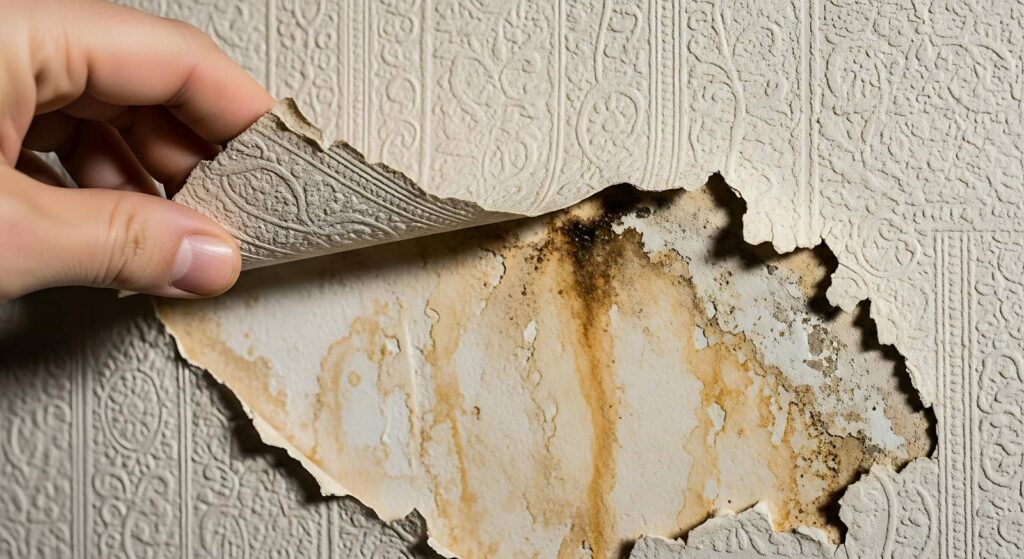
When you suspect water damage, you need more than a surface check. Professional moisture detection lets you find hidden intrusion behind walls, under floors, and in ceilings before it spreads. Calibrated tools measure what your eyes can’t, so you can separate active wet areas from residual moisture and plan the right repair. The real question is how much damage is already out of sight—and that’s where the next step gets important.
Key Takeaways
- Professional moisture detection finds hidden water behind walls, under floors, and inside ceilings before serious damage spreads.
- Calibrated tools measure moisture accurately and distinguish active leaks from residual dampness.
- Technicians check common problem areas like drywall, baseboards, windows, bathrooms, and appliances.
- Readings guide drying efforts, confirming when materials reach safe moisture levels and drying is complete.
- Rising or uneven moisture readings signal the need for expert water damage repair and faster intervention.
What Professional Moisture Detection Finds
Professional moisture detection can pinpoint what the eye often misses: hidden water intrusion behind walls, under flooring, inside ceilings, and within insulation.
You get a clear map of moisture sources, so you can act before minor seepage becomes structural damage. Technicians use calibrated detection techniques to measure elevated moisture levels, identify abnormal temperature patterns, and confirm affected materials without unnecessary openings.
You also learn whether the issue is active or residual, which helps you choose the right repair path. This process gives you confidence and keeps your property’s condition transparent.
When you understand exactly where moisture remains, you’re better prepared to protect your home, reduce repair scope, and stay connected to a team that knows how to respond with precision.
Where Water Damage Hides
Water damage often hides in places you don’t inspect every day: behind drywall, beneath baseboards, under carpet and padding, inside wall cavities, around window frames, and above ceilings where leaks spread silently.
You can protect your space by checking these common moisture sources:
- under sinks and supply lines
- around tubs, showers, and toilets
- near exterior doors and trim
- behind appliances and HVAC units
- in attic spaces and crawl areas
Hidden leaks often start small, then travel through materials before you notice staining, swelling, or odor.
When you understand where water collects, you can act sooner and keep your property, and your team, on solid ground.
How Moisture Detection Tools Work
Moisture detection tools work by measuring changes in a material’s electrical or electromagnetic response, which shift when water is present. You’ll use moisture sensors to compare affected areas with known dry reference points, helping you spot hidden intrusion without guesswork.
Most detection techniques, including capacitance, resistance, and radio frequency scanning, let you assess surfaces through paint, tile, drywall, and flooring. You guide the probe across the area, and the device translates subtle signal changes into readable data.
That means you can identify damp zones quickly and confidently. With the right tool, you’re not working alone; you’re using proven methods that support your judgment and keep your inspection consistent, precise, and calm.
Why Moisture Readings Matter for Drying
When you track moisture readings during drying, you can verify whether affected materials are actually returning to safe levels instead of relying on surface dryness alone.
You’ll see the true moisture impact in drywall, framing, and flooring, which helps you judge drying efficiency with confidence. Readings also let you compare each zone and keep your process consistent.
- confirm hidden moisture is dropping
- spot uneven drying early
- adjust airflow or dehumidification
- document progress with precision
- protect your team’s shared standards
When you and your crew use the same data, you stay aligned and avoid guesswork.
That clarity supports faster decisions, steadier results, and a cleaner recovery path for everyone involved.
When to Call a Water Damage Pro
If readings keep rising, stay uneven across rooms, or show moisture trapped in drywall, framing, or flooring, it’s time to bring in a water damage pro.
You’ll get a fast emergency response that targets hidden migration, structural saturation, and contamination risks before they spread. A trained technician can verify moisture levels with calibrated meters, thermal imaging, and targeted inspections, then build a drying plan that matches the materials in your space.
This matters because overlooked moisture can cause long term effects like warping, mold growth, and weakened assemblies. When you act early, you protect your property and join a crew that knows how to restore it safely.
You don’t have to guess; you just need the right team and clear data.
Frequently Asked Questions
How Much Does Professional Moisture Detection Usually Cost?
You’ll usually pay $100–$300 for professional moisture detection, though cost factors like inspection size and equipment types can raise it. You’re not alone; technicians use precise tools to identify hidden moisture and guide repairs.
Can Moisture Detection Help Prevent Mold Growth?
Yes—moisture detection can help prevent mold growth. Most mold issues start with hidden moisture sources. You’ll identify dampness early, support mold prevention, and protect your space with precise, reassuring monitoring.
How Long Does a Moisture Inspection Take?
You’ll usually spend 30 to 90 minutes on a moisture inspection, depending on the area’s size and damage severity. Inspectors use moisture assessment techniques and inspection equipment types to identify hidden issues accurately and reassure you.
Do Insurance Companies Require Moisture Readings?
Yes, you’ll often need moisture readings because they support insurance claim requirements and prove moisture reading importance. You’ll strengthen your case, document hidden damage, and feel confident your claim’s backed by clear, technical evidence.
Is Moisture Detection Useful After a Minor Leak?
Yes—you should use it. Like a hidden moisture spike behind drywall, a quick scan can reveal trouble early. You’ll confirm leak assessment, guide property evaluation, and avoid feeling alone while protecting your space.
Wrap-Up
Professional moisture detection helps you spot hidden water damage before it spreads. A technician can trace moisture behind drywall, under flooring, and in ceilings, then use calibrated readings to guide drying and repairs. In one case, a homeowner thought a stain was minor, but the meter showed moisture had climbed 18 inches above it—like an iceberg, most of the damage was below the surface. When you act fast, you protect your property and avoid costly surprises.