
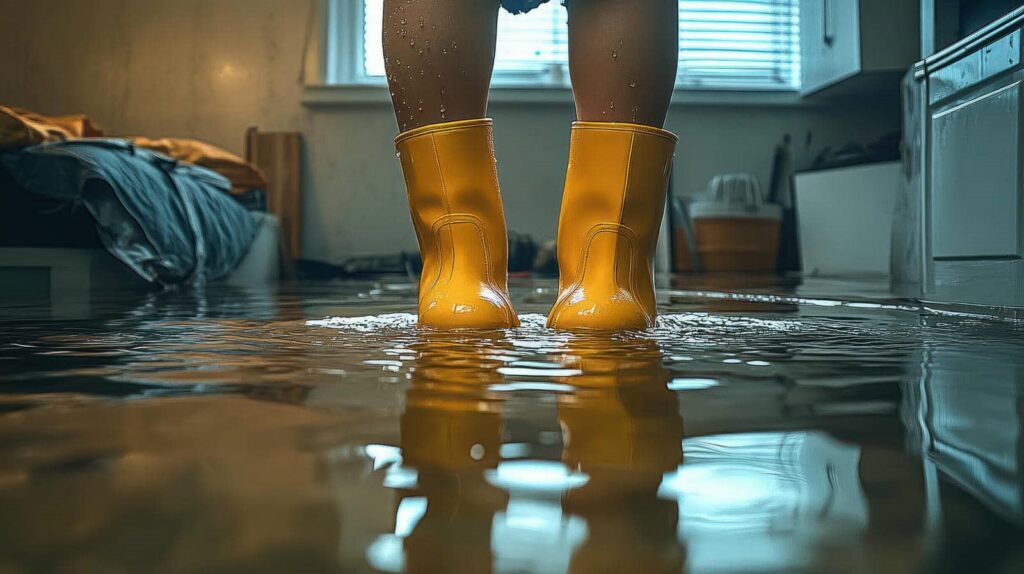
When water enters, when materials absorb, and when damage spreads, you need emergency water damage cleanup fast. You stop the source, remove standing water, extract hidden moisture, and dry the structure before mold and rot set in. You can save walls, floors, and contents if you act quickly, but the right steps depend on the type and extent of water intrusion. What happens in those first hours can change everything.
Key Takeaways
- Emergency water damage cleanup is the rapid removal of standing water and moisture after a leak, flood, or similar water intrusion.
- It starts with stopping the water source, ensuring safety, and protecting people and property from hazards.
- The process includes extracting water, drying materials, and controlling humidity to prevent further damage.
- Professionals use moisture detection, targeted cleaning, and sanitization to address hidden water and salvageable surfaces.
- Fast cleanup helps prevent mold growth, structural damage, odors, and costly repairs.
What Emergency Water Damage Cleanup Includes
Emergency water damage cleanup usually includes a fast, structured response: stopping the source of water, removing standing water, and drying affected materials before mold and structural damage spread.
You’ll usually see inspection, moisture mapping, extraction, dehumidification, and targeted cleaning in the cleanup process. Technicians can classify flood damage by source and contamination level, then isolate affected rooms to limit spread.
They’ll remove soaked drywall, carpet, and insulation when recovery isn’t practical, and they’ll sanitize salvageable surfaces with approved agents.
Air movers and dehumidifiers help stabilize humidity, while meters verify drying progress. You get a clear plan, measurable results, and fewer surprises.
This approach protects your property, supports faster recovery, and helps you feel confident that the job’s being handled with care.
First Steps After a Flood
After the initial cleanup plan is in place, your next priority is safety and damage control. Shut off power if you can do it safely, and avoid entering areas with sagging ceilings, cracked walls, or visible contamination.
Wear protective gear, including gloves and boots, before you move through the space. Document damage with photos, then separate salvageable personal belongings from items that must be discarded.
Keep important records, medications, and devices in a dry, secure location. Open windows if weather allows, and stabilize the area by removing loose debris and lifting small valuables off wet surfaces.
Follow all safety precautions and stay alert for hidden hazards. By acting fast and staying organized, you protect your home and help your team work with you more efficiently.
How Water Extraction Removes Standing Water
You need rapid water removal to stop standing water from soaking deeper into floors, walls, and sublayers.
Extraction equipment pulls free water from surfaces and helps target hidden moisture trapped in porous materials and cavities.
This step lowers damage, speeds drying, and reduces the chance of mold growth.
Rapid Water Removal
When standing water remains on floors, technicians use high-capacity extractors to pull it up fast and limit further damage. You get a focused start to recovery, and your team can move with confidence.
Good water extraction techniques rely on strong suction, wide hoses, and quick passes across affected areas. In emergency response strategies, speed matters because each minute lets water spread farther.
- You see extractors remove pooled water from carpet and hard surfaces.
- You watch technicians check edges, corners, and low spots for remaining surface water.
- You gain a cleaner work area for the next cleanup step.
This rapid removal helps you stay ahead of the loss, protect materials, and keep the site organized for your crew.
Extracting Hidden Moisture
Even after surface water is gone, moisture can remain trapped in carpet padding, subflooring, drywall, and baseboards. Technicians use targeted extraction and moisture mapping to find what visible cleanup misses.
You rely on moisture detection tools to confirm where water still sits, not where it merely looks dry. High-powered vacuums, weighted extractors, and injectidry systems pull water from porous materials and tight cavities.
This step helps you stop a hidden leak from feeding mold, swelling, and structural decay. You’ll know the job is working when readings drop, humidity stabilizes, and materials begin to dry evenly.
Why Structural Drying Matters
Structural drying removes hidden moisture from walls, floors, and framing so you prevent secondary damage after extraction.
You lower mold risk by bringing materials back to safe moisture levels before growth starts.
You also speed material recovery by drying components fast enough to preserve structural integrity and limit replacements.
Moisture Prevention
Moisture can linger long after visible water is gone, so thorough structural drying is essential to prevent hidden damage. You protect your space by targeting trapped dampness in walls, floors, and framing.
Use humidity control to keep indoor conditions stable, and apply preventative measures before materials swell, warp, or weaken.
- Place air movers to push dry air through enclosed cavities.
- Run dehumidifiers to pull excess moisture from the air.
- Monitor readings daily so you can confirm drying progress.
When you act quickly, you keep your property safer and your routine smoother.
That kind of disciplined response helps you stay ahead of problems and feel confident your home is getting back to normal.
Mold Risk Reduction
Once hidden dampness is controlled, you lower the chance that mold will take hold in porous materials, wall cavities, and subfloors.
You need structural drying to keep moisture control tight after cleanup, because damp framing can stay active long after surfaces feel dry. When you remove water fast and dry assemblies to target levels, you interrupt mold growth before spores colonize concealed spaces.
That matters for your home’s air quality and for your crew’s confidence in the repair plan. Check humidity, temperature, and material readings, then keep air moving across wet areas until measurements stabilize.
This isn’t optional maintenance; it’s the step that protects your structure from hidden damage and helps you stay ahead of recurring contamination.
Faster Material Recovery
When you dry materials quickly and correctly, you speed up recovery and reduce the chance that wood, drywall, insulation, and finishes need to be torn out.
You also protect material preservation by using restoration techniques that stop moisture from lingering inside assemblies. That means you can stay ahead of damage and keep your project on track.
- You remove standing water fast.
- You set air movers and dehumidifiers to target wet zones.
- You monitor moisture readings until materials return to safe levels.
This process helps you recover sooner, limit disruption, and avoid unnecessary replacement costs.
When your team works together with the right equipment, you get a cleaner result and a faster return to normal.
How to Save Walls and Floors After Water Damage
Start by stopping the water source, shutting off power to affected areas, and removing standing water from walls and floors as quickly as possible.
You can protect your space by opening baseboards, lifting wet carpet edges, and creating airflow with fans and dehumidifiers.
For wall restoration, dry drywall from both sides when possible, then inspect insulation and replace sections that stay swollen or soft.
For floor drying, pull up rugs, mop surface moisture, and dry subfloors before reinstalling finishes.
Keep temperature steady and monitor moisture with a meter.
Don’t trap damp materials behind trim or furniture.
Act fast, stay methodical, and you’ll help your home recover cleanly, with your crew or service team working toward a safe, solid result together.
Signs You Need Emergency Cleanup Now
You need emergency cleanup now if water is still spreading, you smell a musty odor within hours, or drywall, flooring, or insulation feels soft, swollen, or sagging. Those are clear flood indicators that call for urgent response. You’re not overreacting; you’re protecting your space and the people in it.
Watch for:
- Sudden pooling around baseboards, vents, or cabinets.
- Discoloration, bubbling paint, or warped trim after the leak starts.
- Electrical outlets, appliances, or breakers near moisture.
If you see any of these signs, shut off the source if you can and contact a qualified team right away. Fast action limits damage and helps your home get back to normal sooner, so you can feel confident and supported.
How Cleanup Stops Mold and Structural Damage
Fast cleanup cuts off the conditions mold needs to grow by removing standing water, lowering moisture in materials, and drying hidden cavities before spores can spread.
You protect mold prevention by extracting water from carpet, drywall, insulation, and subfloors quickly, then moving air across damp surfaces to speed evaporation.
Dehumidifiers pull moisture from the air, so materials dry before decay starts. You also preserve structural integrity by stopping wood swelling, metal corrosion, and fastener weakening.
When framing, flooring, and wall cavities dry fast, they’re less likely to warp, delaminate, or crumble. This focused response helps your space recover cleanly and keeps your home safer for everyone inside.
It also reduces lingering odors and limits repair scope, so you can restore comfort with less disruption and more confidence.
When to Call for Emergency Water Removal
Call for emergency water removal as soon as water spreads beyond a small, contained area, keeps rising, or soaks porous materials like drywall, insulation, carpet padding, or subflooring.
You need fast emergency response when you see any of these signs:
- Water reaches outlets, appliances, or baseboards.
- A ceiling sags, walls feel soft, or floors sound hollow.
- Dirty, sewage, or storm water enters your space.
Acting early helps you protect your home and stay with the people who understand what you’re facing.
Shut off the source if you can, move valuables, and avoid standing water. Then start water removal right away.
If moisture keeps spreading after cleanup begins, call a pro immediately. Quick action limits repairs, lowers health risks, and helps your space recover faster.
Frequently Asked Questions
How Much Does Emergency Water Damage Cleanup Cost?
You’ll usually pay $1,000-$5,000, but cleanup pricing depends on cost factors like damage size, water type, drying time, and materials. You can lower costs by calling fast and choosing a trusted local team.
Does Homeowners Insurance Cover Emergency Water Damage Cleanup?
Usually, yes—your homeowners policy may cover sudden water damage cleanup. About 1 in 50 insured homes files a water damage claim yearly. You’ll need to check insurance policies, exclusions, and coverage limits for your situation.
How Long Does Cleanup Usually Take?
Cleanup usually takes one to seven days, depending on cleanup duration, factors affecting moisture level, material type, and damage size. You’ll speed drying with fast extraction, ventilation, and dehumidification, keeping your property safe and supported.
Can I Stay in My Home During Cleanup?
You can stay, but treat cleanup like a live wire: safety precautions matter. If moisture, mold, or electrical hazards persist, you’ll need temporary relocation. Follow technicians’ guidance, ventilate well, and avoid affected rooms.
What Equipment Is Used During Emergency Water Damage Cleanup?
You’ll see water extraction pumps, wet vacuums, dehumidifiers, air movers, and moisture detection meters. You use them to remove standing water, dry materials fast, and verify hidden dampness so your team stays protected and informed.
Wrap-Up
When you face water damage, act fast and you’ll limit loss, mold, and structural decay. Shut off the source, extract standing water, and dry affected areas with professional equipment. Don’t wait for the damage to spread; your property can go from manageable to catastrophic in a heartbeat. If you spot soaked walls, warped floors, or lingering moisture, call emergency cleanup now. Quick action protects your space and gets you back to normal sooner.