
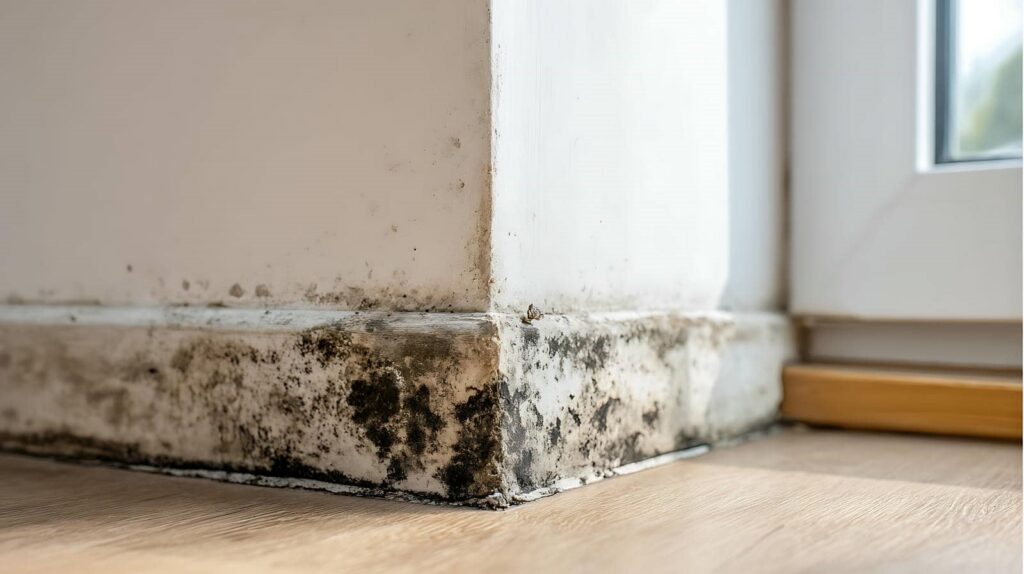
When water damage occurs, mold can quickly become a serious issue. To tackle it effectively, you need to assess the affected area and guarantee your safety first. Wearing protective gear is essential as you begin to contain the mold and remove moisture sources. This initial step sets the stage for thorough cleaning and prevention strategies. But there’s more to ponder if you want to guarantee your environment stays mold-free long-term.
Key Takeaways
- Fix any leaks immediately to eliminate moisture sources that promote mold growth.
- Seal off affected areas with plastic sheeting to prevent spores from spreading.
- Use fans and dehumidifiers to dry out wet materials and reduce humidity.
- Clean surfaces with mold-killing solutions and sanitize tools to prevent cross-contamination.
- Regularly inspect for visible signs of mold and maintain indoor humidity levels between 30-50%.
Assessing the Affected Area
When dealing with mold after water damage, the first step is evaluating the affected area thoroughly.
Begin with a damage assessment checklist to systematically identify all impacted surfaces, including walls, ceilings, and flooring. Use mold identification techniques, like visual inspections and odor detection, to pinpoint areas where mold may thrive.
Look for discoloration, moisture, and any musty smells that indicate hidden growth.
Document your findings carefully, noting the extent of the damage and any specific conditions that may contribute to mold proliferation.
This assessment not only helps you understand the scope of the problem but also informs your next steps in remediation.
Ensuring Personal Safety
Before you begin tackling mold removal, it’s vital to prioritize your safety.
Make certain you wear protective gear, such as gloves, masks, and goggles, to shield yourself from spores and irritants.
Additionally, guarantee proper ventilation and airflow in the area to minimize exposure to harmful particles while you work.
Protective Gear Essentials
To guarantee your safety while tackling mold removal after water damage, it’s crucial to wear the right protective gear.
Start by investing in high-quality protective masks that filter out mold spores and other harmful particles. Look for masks rated N95 or higher to provide maximum protection.
Next, don safety goggles to shield your eyes from irritants and debris. These goggles should fit snugly and provide a clear view of your work area.
Additionally, consider wearing long sleeves, gloves, and sturdy boots to protect your skin from potential irritants.
Ventilation and Airflow
Even with the right protective gear, ensuring proper ventilation and airflow in the affected area is essential for your safety during mold removal.
Effective airflow circulation helps minimize your exposure to mold spores and accelerates the drying process. Here are some tips to enhance ventilation in your workspace:
- Open windows and doors to create cross-ventilation.
- Use fans to promote airflow circulation, directing air out of the space.
- Consider utilizing ventilation systems, like dehumidifiers, to control moisture levels.
- Seal off areas to prevent spores from spreading to unaffected spaces.
Containing the Mold
To effectively contain the mold, start by sealing off the affected areas to prevent spores from spreading throughout your home.
Use plastic sheeting to cover doorways and vents, ensuring all openings are tightly sealed.
Don’t forget to wear protective gear like gloves and masks to keep yourself safe while you work.
Seal Off Affected Areas
When dealing with mold after water damage, sealing off affected areas is essential to prevent spores from spreading throughout your home. Effective air sealing not only contains the mold but also aids in mold prevention.
First, close all doors and windows in the affected area to minimize airflow. Next, use plastic sheeting to cover doorways and vents, ensuring a tight seal.
Here are a few steps to follow:
- Identify and isolate the contaminated area.
- Use tape to secure plastic sheeting around the edges.
- Turn off HVAC systems to prevent cross-contamination.
- Seal any gaps or cracks with caulk.
Use Protective Gear
Using protective gear is essential for safely removing mold after water damage. You should wear protective clothing, including long sleeves, gloves, and a mask, to shield yourself from mold spores.
Choose safety equipment like goggles to protect your eyes from irritation. Verify your clothing is made of non-porous materials to prevent mold from penetrating. Before you start, double-check that your gear fits well and provides adequate coverage.
Don’t forget to keep your area ventilated by opening windows or using fans, as this helps minimize exposure. By taking these precautions, you create a safer environment for yourself and others.
Removing Moisture Sources
Since mold thrives in damp environments, promptly removing moisture sources is essential for preventing further growth.
You’ll want to identify and eliminate any sources of excess moisture in your home. Effective removal techniques can greatly reduce the risk of mold returning after water damage.
Here are some key steps to take:
Fix leaks: Check plumbing, roofs, and windows for leaks and repair them immediately.
Ventilate: Use fans and open windows to increase airflow and reduce humidity.
Dehumidify: Invest in a dehumidifier to maintain indoor humidity levels below 50%.
Inspect appliances: Regularly check appliances like dishwashers, washing machines, and refrigerators for malfunctions that can cause water accumulation.
Cleaning Surfaces With Mold
To effectively eliminate mold from surfaces, you’ll need a systematic approach that guarantees thorough cleaning and prevention of future growth. Start by identifying the mold types present, as different strains may require specific cleaning techniques.
For porous materials like wood or drywall, use a mixture of water and detergent; scrub gently to avoid damaging the surface. Non-porous surfaces, such as tiles or glass, can be treated with a solution of bleach and water—always assure proper ventilation.
After scrubbing, rinse with clean water and dry the area completely to minimize moisture retention. If you encounter stubborn mold, consider using a commercial mold remover specifically designed for various surfaces.
Disinfecting the Area
Disinfect the area thoroughly to eliminate any remaining mold spores and prevent future growth. This step is essential after cleaning surfaces, as it guarantees that mold doesn’t return.
Begin by sanitizing tools used during the cleaning process; this prevents cross-contamination. Use a solution that effectively kills mold spores and follow the manufacturer’s instructions for best results.
Consider these important steps:
- Choose a disinfectant specifically designed for mold removal.
- Apply the disinfectant to all affected surfaces, including walls, floors, and furniture.
- Allow the disinfectant to sit for the recommended time before wiping it away.
- Ventilate the area to help dry surfaces and reduce humidity levels.
Taking these measures not only protects your space but also promotes a healthier environment for you and your loved ones.
Using Mold Removal Products
When you’re faced with mold after water damage, using the right mold removal products becomes vital for effective remediation. Start by choosing products that contain EPA-approved ingredients, as these are proven to tackle mold efficiently.
Look for sprays and solutions specifically designed for mold removal, ensuring they can penetrate porous surfaces where mold tends to hide. Before applying any product, read the instructions carefully to maximize effectiveness and safety.
You’ll want to wear protective gear, such as gloves and masks, to safeguard your health. After application, let the solution sit for the recommended time to allow it to work effectively.
For larger infestations, consider professional-grade mold removal products, which provide even more powerful solutions. Remember, the goal is to eliminate mold completely while preventing it from returning.
Preventing Future Mold Growth
Although removing mold is essential, preventing its return is equally important.
To keep your home safe and mold-free, implement these proactive measures:
Use mold resistant materials: Opt for mold-resistant paints, drywall, and insulation during renovations.
Control humidity levels: Maintain indoor humidity below 60% by using dehumidifiers and ensuring proper ventilation.
Perform regular inspections: Check areas prone to moisture, like basements and bathrooms, at least once a month for signs of mold.
Seal leaks promptly: Address any plumbing or structural leaks immediately to prevent water accumulation.
Monitoring for Recurrence
Monitoring for mold recurrence is vital in maintaining a healthy living environment after water damage. Once you’ve successfully removed mold, it’s important to stay vigilant.
Regular mold monitoring can help you catch any regrowth early, preventing it from spreading and causing health issues. Check areas that were previously affected, particularly around moisture-prone spots like bathrooms and kitchens.
Establish a routine to inspect for visible signs of mold or musty odors. Keep an eye on indoor humidity levels, ideally between 30-50%, as high humidity can foster mold growth.
If you notice any changes, act quickly to address potential sources of moisture, such as leaks or condensation.
Engaging in these proactive practices not only guarantees recurrence prevention but also fosters a safe and comfortable space for you and your loved ones.
Consulting Professionals for Severe Cases
If you find that mold persists despite your best efforts, consulting professionals is crucial to effectively tackle severe cases. Mold can pose significant health risks and structural damage, so a professional assessment is imperative.
Experts utilize advanced mold remediation techniques to guarantee thorough removal and prevent future growth.
When considering professional help, keep these points in mind:
- Experience: Look for companies with a proven track record in mold remediation.
- Certification: Confirm they’re certified and trained in mold removal standards.
- Comprehensive Assessment: Professionals will identify hidden mold and assess the extent of damage.
- Follow-Up Care: Seek services that offer post-remediation inspections to verify effectiveness.
Frequently Asked Questions
Can I Use Vinegar to Kill Mold?
Yes, you can use vinegar to kill mold. Its effectiveness lies in its acidity, which disrupts mold growth. Regular application helps with mold prevention, ensuring a healthier environment in your home. Stay proactive and safe!
How Long Does It Take for Mold to Grow?
Mold growth can start within 24 to 48 hours under ideal moisture control conditions. If you don’t manage humidity and dampness, you might as well invite mold to take up residence in your home!
What Health Risks Are Associated With Mold Exposure?
Mold exposure can lead to various health risks, including mold symptoms like sneezing, coughing, and respiratory issues. It’s essential to address mold promptly to protect your health and create a safe environment for everyone.
Is Bleach Effective for Mold Removal?
Bleach can be a double-edged sword for mold removal. While it’s effective on certain mold types, it doesn’t penetrate porous surfaces, so you might need other solutions for complete removal. Always prioritize safety and ventilation.
Can Mold Return After Cleaning?
Yes, mold can return after cleaning if you don’t implement mold prevention strategies. Control moisture and humidity to eliminate ideal mold growth conditions, ensuring a healthier environment for you and your loved ones.
Summary
In the battle against mold after water damage, swift action is your best ally. By evaluating the affected area and ensuring personal safety, you create a solid foundation for recovery. Containing moisture and cleaning surfaces with effective solutions helps to reclaim your space from this unwelcome invader. Remember, staying vigilant is key like a gardener tending to their plants, regularly monitor for signs of recurrence to cultivate a healthy, mold-free environment in your home.