
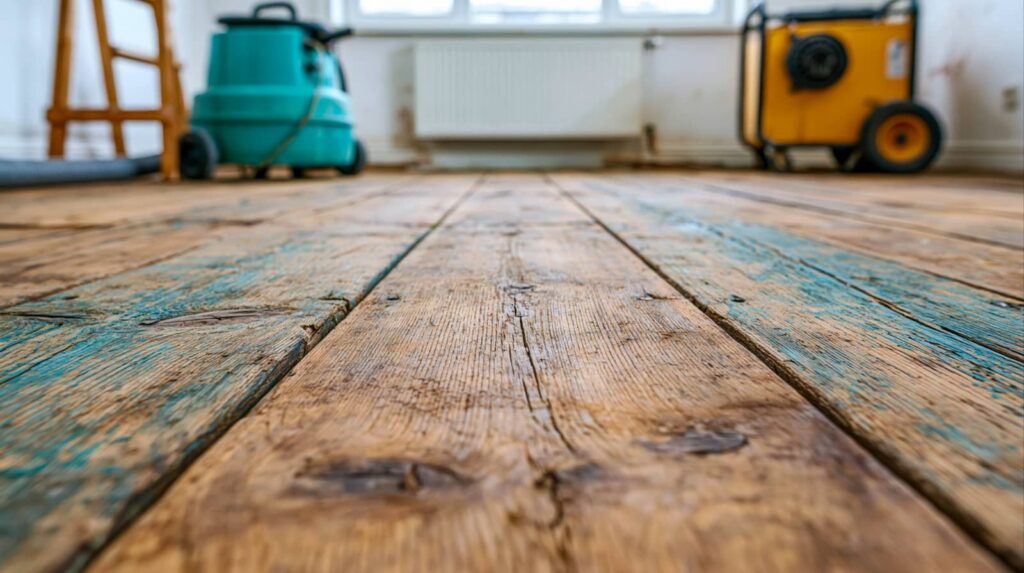
When water intrudes, you’re up against more than a wet floor—you’re fighting time. You need structural drying experts who can assess hidden moisture, set targeted air movement, and control humidity before damage spreads. They help protect wood, drywall, and other materials from warping and mold. If you wait, small losses can become major repairs, and the next steps matter more than you might expect.
Key Takeaways
- Structural drying experts assess damage quickly, identify moisture sources, and create a targeted emergency cleanup plan.
- They extract standing water fast to prevent further spread into walls, floors, insulation, and framing.
- Professional drying uses air movers, dehumidifiers, and temperature control to remove hidden moisture efficiently.
- Moisture mapping and monitoring ensure affected areas dry fully and reduce risks of mold, odor, and structural damage.
- Fast expert cleanup preserves materials, limits repair costs, and restores safe indoor conditions sooner.
What Structural Drying Experts Do First After Flooding
After flooding, structural drying experts first assess the site to stop further damage and set up a safe drying plan. You’ll get a clear damage assessment that identifies moisture sources, affected zones, and immediate hazards.
Next, the team documents conditions, checks electrical and structural risks, and begins water extraction with professional pumps and vacuums. This quick response helps you regain control and keeps the cleanup process organized.
Experts then map wet materials, verify saturation levels, and choose drying equipment based on the layout. They’ll explain each step so you know what’s happening and why it matters.
How Structural Drying Protects Materials
Structural drying protects materials by removing moisture before it can weaken wood, warp drywall, corrode metal, or support mold growth.
You get faster moisture control, which helps limit hidden damage in framing, insulation, and finishes. When you act quickly, you support material preservation and reduce the chance that surfaces stay damp long enough to break down.
Your structure stays more stable because dry components hold their shape, strength, and function better. You also lower the risk of lingering odors and microbial activity that can spread through connected spaces.
With expert drying, you’re not just reacting to water damage—you’re protecting the building you belong to and helping every material recover with less stress and less loss.
Flood Damage Drying Methods That Work
Effective flood damage drying starts with removing standing water, then using targeted air movement, dehumidification, and temperature control to pull moisture from building materials.
You’ll get better flood restoration results when you map wet areas with a moisture assessment and adjust equipment to match each surface.
Place air movers to create fast evaporation across floors, walls, and cavities, while dehumidifiers capture that vapor before it settles again.
Keep indoor conditions stable, because swings in humidity slow progress.
In your cleanup team, use meter checks to confirm drying, not guesswork.
Focus on safe airflow paths, clear obstructions, and dry-from-the-top strategies for wall assemblies.
When you follow these methods, you protect the structure, reduce secondary damage, and move the space back toward normal with confidence.
Signs You Need Professional Drying
How do you know when drying has gone beyond a basic cleanup? You’ll notice lingering dampness in walls, floors, or insulation after you’ve wiped surfaces and aired the space.
If materials feel cool, swell, or stay discolored, water saturation may be deeper than you can reach. Musty odors, peeling finishes, and visible warping also signal hidden moisture.
When your home or business needs moisture detection tools to confirm safe dryness, you’re dealing with more than surface water.
Professional drying helps you join a team that understands structural materials, air movement, and controlled dehumidification.
You don’t need to guess or push through uncertainty. With expert support, you can protect your space, reduce stress, and restore confidence that the environment’s dry enough for normal use.
How Fast Cleanup Prevents Bigger Repairs
The sooner you start cleanup, the less time water has to spread into drywall, framing, flooring, and insulation. You protect your structure and reduce secondary damage when you act fast.
Quick extraction, controlled drying, and moisture monitoring stop hidden pockets from fueling mold, swelling, and decay. In your home, that means fewer tear-outs and less disruption.
- Remove standing water immediately.
- Open wet materials for airflow.
- Use dehumidification and heat correctly.
- Verify dry levels before rebuild.
These preventive measures limit repair scope and support long term benefits like lower costs, faster recovery, and safer indoor conditions.
When you move quickly, you’re not just fixing damage—you’re protecting the place where your people belong.
Frequently Asked Questions
How Do Structural Drying Experts Handle Hidden Moisture in Wall Cavities?
You’ll use moisture detection and wall inspection to find trapped water in cavities. Then you’ll open access points, deploy targeted air movement and dehumidification, monitor readings, and make sure hidden moisture doesn’t linger safely.
Can Structural Drying Prevent Mold Growth After Sewage Contamination?
Yes, you can reduce mold risk after sewage contamination with rapid structural drying, but you shouldn’t rely on it alone. You’ll need thorough sewage cleanup, disinfection, and humidity control for true mold prevention and peace of mind.
What Equipment Do Experts Use to Monitor Drying Progress?
You’ll see experts use moisture meters, thermal imaging, and hygrometers to track drying progress. They’ll check readings daily, spot hidden dampness, and adjust airflow, so you’ll know your space is drying safely and thoroughly.
How Long Does Drying Take for Hardwood Floors After Flooding?
You’ll usually need 3-7 days for hardwood floors to dry after flooding, depending on saturation and drying techniques. Professional hardwood restoration can shorten that timeline, and you’ll stay informed with steady monitoring and support throughout.
Do Insurance Claims Cover Professional Structural Drying Services?
Yes, your policy may cover professional structural drying services, depending on insurance coverage and the claim process. You’ll usually need prompt documentation, approved mitigation, and adjuster review, but you’re not alone—professionals guide you through it.
Final Thoughts
When flooding hits, you need structural drying experts to act fast. They’ll inspect moisture, set up air movers and dehumidifiers, and track drying progress so hidden water doesn’t linger. Their process protects framing, flooring, and finishes before damage spreads. Like stopping a leak before it floods a room, quick cleanup keeps repairs smaller and safer. If you move quickly, you can stabilize your property and reduce the risk of mold, rot, and costly structural failure.