
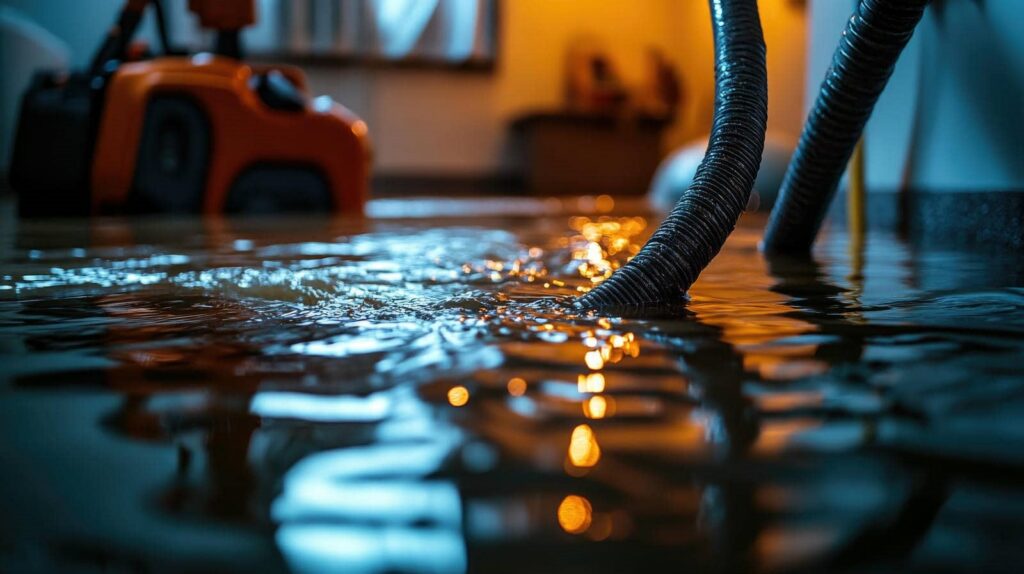
After a pipe bursts in your basement, you need to stop the water, map every wet area, and remove standing water fast. Then you set air movers and dehumidifiers to drive evaporation while you check hidden cavities, trim off unsalvageable material, and track moisture with a calibrated meter. The clock matters here, because the difference between drying and secondary damage often comes down to one step you haven’t handled yet.
Key Takeaways
- Shut off the water source and electricity immediately to stop further damage and keep the area safe.
- Remove standing water fast using pumps, wet vacuums, and towels, starting from the lowest point.
- Use moisture meters to assess damage, identify hidden wet areas, and prioritize drying work.
- Set up air movers and dehumidifiers with closed windows and doors to speed evaporation and moisture removal.
- Monitor moisture readings daily and adjust airflow or dehumidification until materials return to normal levels.
Stop the Water Source
Before you dry any water-damaged structure, you need to stop the water source immediately. Shut off the main valve, close local supply lines, or isolate the failed appliance so no more water enters the area.
If you can’t identify the leak, call a licensed plumber or utility provider right away. Protect your team by turning off power to affected circuits before you work nearby.
Use towels, buckets, or a wet vacuum only after flow stops; these steps support damage prevention, not replacement for shutdown. Mark the source, notify your supervisor, and document the shutoff time so everyone stays aligned.
When you act fast together, you limit spread, reduce repair costs, and create the best conditions for the next drying steps.
Assess the Water Damage
With the water source stopped, assess the damage right away so you can plan drying work correctly.
Walk the affected area and note the wettest zones, visible stains, swollen materials, warped trim, and any soft or sagging surfaces. Your damage assessment should separate salvageable materials from items that need removal, so you can focus your crew’s effort.
Use a moisture meter for moisture evaluation in drywall, wood, insulation, and subflooring, and record readings at several points. Compare wet areas with dry ones to map spread and drying priorities.
Photograph conditions, label rooms, and log findings in a simple checklist. When you document carefully, you and your team stay aligned, move faster, and avoid missed hidden damage that slows restoration later.
Extract Standing Water
Start standing water removal immediately so moisture doesn’t continue wicking into framing, drywall, and subflooring.
Use water extraction equipment matched to the volume: wet vacs for small areas, portable pumps for deeper pooling, and truck-mounted units when your emergency response needs faster throughput.
Work from the lowest point and move methodically toward exits so you don’t re-spread contamination.
Check carpets, pad edges, and cavities for hidden pockets, and lift materials only when you can drain them cleanly.
Keep hoses clear and empty recovery tanks often to maintain suction.
If water contains sewage, wear PPE and isolate the area.
Fast extraction limits swelling, cuts drying time, and helps your crew stay coordinated, efficient, and ready for the next step.
Set Up Air Movers and Dehumidifiers
Next, position air movers and dehumidifiers to accelerate evaporation and remove moisture from the air. Place each air mover so it pushes air across wet surfaces, not straight at a wall, and keep paths open for full circulation.
For tight crews, consistency matters: align units to create overlapping airflow and avoid dead zones. Match dehumidifier settings to the room conditions so the equipment removes vapor efficiently without wasting energy.
Close doors and windows, then route exhaust and intake as directed by the manufacturer. If you’re working around carpets, baseboards, or framing, adjust air mover placement to target hidden damp areas.
With the right setup, you and your team can dry the structure faster, reduce secondary damage, and stay on the same page.
Monitor Moisture Levels Until Dry
Once the air movers and dehumidifiers are running, check moisture levels regularly to confirm the structure is drying at the right pace.
Use a calibrated moisture meter on walls, flooring, trim, and framing, and log readings every day. Compare wet and dry areas so you can spot hidden moisture before it causes secondary damage.
Adjust drying techniques when readings stall: increase airflow, add dehumidification, or remove trapped materials if needed. Keep doors, vents, and access panels positioned for consistent circulation.
Your moisture monitoring should continue until readings match normal baseline levels for the material.
When you stay systematic, you protect the build, support the team, and move the job toward full clearance with confidence.
Frequently Asked Questions
How Do I Know if Mold Has Already Started Growing?
You’ll notice musty odors, visible spots, or fuzzy patches, and damp materials may stain. Use mold detection tools and check growth conditions like moisture, warmth, and poor airflow; acting fast keeps you safe and included.
Should I Remove Wet Insulation Before Drying Begins?
Yes, remove wet insulation before drying begins if it’s soaked or contaminated. You’ll protect framing and improve drying methods. Different insulation types respond differently; fiberglass may dry, but cellulose usually must be replaced for effective restoration.
When Should I Call a Professional Restoration Company?
Call a professional restoration company when water damage exceeds your cleanup capacity, materials stay wet after 24-48 hours, or mold appears. Coincidentally, faster help protects your restoration timeline and keeps you in the safe, prepared group.
Can I Safely Use Electricity in a Water-Damaged Building?
No, you shouldn’t use electricity in a water-damaged building until you’ve confirmed electrical safety. Shut off power at the main, avoid outlets and appliances, and get a licensed electrician to inspect before you reenergize anything.
How Long Does It Take for Drywall to Dry Completely?
Drywall can take 2-7 days to dry completely, like a sponge in sunlight. You’ll need drying techniques and frequent moisture levels checks; thicker boards, higher humidity, and trapped insulation can extend drying time.
Final Thoughts
By stopping the water source first, you prevent further damage and start drying on solid footing. You then assess affected areas, extract standing water, and position air movers and dehumidifiers to accelerate evaporation. Keep monitoring moisture with a calibrated meter until readings return to baseline. If you keep airflow steady and target hidden damp spots, you can dry the structure fast and avoid a moisture nightmare that lingers like a flooded basement in a storm.