
When water rushes in like an unwelcome tide, you need to act fast. You’ll shut off the source, assess hazards, and start removing standing water room by room with the right equipment. Then you’ll sort salvageable items, dry affected surfaces, and sanitize before mold can take hold. The first hour matters most, and the steps you take next can limit flood damage, protect your safety, and determine what can still be saved.
Key Takeaways
- Ensure safety first: wear protective gear, check hazards, and photograph damage before cleanup begins.
- Stop more flooding by shutting off the main water supply and disconnecting affected appliances.
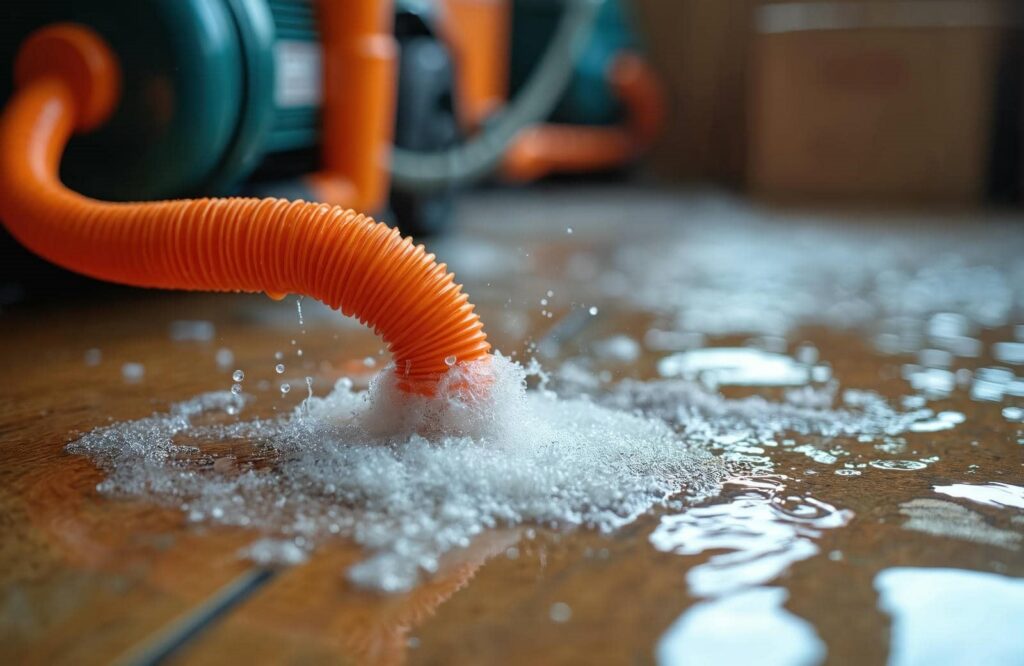
- Remove standing water quickly with a wet vacuum, pump, mop, or squeegee, starting in the most flooded area.
- Sort and salvage belongings carefully, rinsing hard items and separating contaminated or unsalvageable materials.
- Dry and sanitize all affected areas using fans, dehumidifiers, and disinfectant to prevent mold growth.
Act Fast in the First Hour
In the first hour, you need to act quickly to limit damage and make the area safe. Start with emergency preparedness: wear boots, gloves, and a mask, then check for hazards before you enter.
If you can do so safely, move valuables, documents, and electronics to dry ground. Open windows and run fans to improve airflow, but keep outlets and wet cords untouched.
Document water damage with quick photos for your records and insurance team. Remove standing water with a wet vacuum or mop, working from the cleanest area outward.
Separate soaked items from dry ones to prevent cross-contamination. Stay calm, stay organized, and focus on immediate stabilization.
Your fast response helps reduce loss, protect health, and support the recovery team that’ll follow.
Stop the Floodwater at the Source
First, shut off the main water supply to stop additional flooding and reduce pressure in the lines.
Then seal obvious entry points and gaps with temporary barriers so water can’t keep spreading indoors.
If it’s safe, disconnect affected appliances at the power and water sources to isolate the leak and protect the equipment.
Shut Off Main Water
Go straight to the main water shutoff and close it to stop more water from feeding the flood. You’ll usually find the water valve near the meter, in the basement, or along an exterior wall.
Turn it clockwise until it stops; if it’s stiff, use steady pressure, not force. If the valve won’t move, call a licensed plumber right away.
After the flow stops, check for active leaks inside the home and note any odd sounds in the pipes. You’re not dealing with this alone; quick action protects your space and helps your crew start cleanup sooner.
Schedule a plumbing inspection once the emergency passes so a professional can confirm the system stayed intact and the valve still works properly.
Seal Entry Points
Once the water supply is off, stop outside water from getting in by sealing the entry points that let floodwater inside.
Check doors, windows, vents, wall cracks, and utility penetrations, then block gaps with weatherproof tape, sandbags, plastic sheeting, or temporary sealant.
Use preventive measures now to reduce further intrusion and protect your cleanup effort.
If water is still pushing through, reinforce low openings first and work upward.
Good sealing techniques create a tighter barrier and buy you time to recover safely.
Keep your team coordinated, move methodically, and confirm each patch holds before shifting to the next area.
You’re not alone here; every secured opening helps your home feel more controlled and ready for the next step.
Disconnect Appliances Safely
If floodwater is reaching appliances, shut off power at the breaker before you touch anything, then disconnect each unit at the source to stop the flow safely. You’ll protect your home and your crew by treating every cord, plug, and supply line as live until you verify otherwise.
Follow basic safety precautions: wear insulated gloves, keep feet on dry ground, and use a flashlight instead of standing water access.
For washer, dishwasher, and refrigerator lines, close valves first, then move appliances only if the floor is stable. These appliance tips help prevent shock, gas leaks, and further water spread.
Stay calm, work with a partner, and if a connection feels stuck or damaged, call a licensed technician so you’re not handling hidden hazards alone.
Remove Standing Water Room by Room
Start with the most flooded room and remove standing water before it spreads or wicks into walls and flooring.
Use room assessment strategies to map deep spots, weak floors, and active leaks, then apply water extraction techniques with a wet vacuum, pump, or squeegee.
Work methodically from the farthest corner toward the exit so you don’t push water into dry areas.
Keep hoses and cords clear of pooled water, and empty recovery tanks often to maintain suction.
After each room, check adjoining thresholds, closets, and baseboards for seepage, then move to the next space.
You’re not alone in this process; steady, room-by-room cleanup helps you regain control, reduce damage, and prepare each area for drying.
Salvage Wet Belongings Safely
Before you move anything, sort wet belongings into three groups: salvageable, contaminated, and discardable.
Wear gloves, boots, and a mask, then carry items to a clean staging area. For wet item recovery, rinse mud from hard goods with clean water and wipe them with lint-free cloths.
Open books, photo albums, and boxes to reduce trapping moisture, and place absorbent paper between layers. Use salvage techniques that protect labels, cords, and seams: unplug electronics, remove batteries, and separate metal from fabric.
Keep food, cosmetics, and porous items that touched floodwater out of use. Photograph each item before handling so you can track losses and insurance claims.
Work in small batches, and ask for help when items feel too heavy or contaminated.
Dry Walls, Floors, and Damp Areas
Once the area is safe and electricity is off, you can begin drying walls, floors, and other damp surfaces with steady airflow and controlled removal of moisture.
Open windows if weather allows, then run fans and dehumidifiers to support moisture control. Move furniture away from walls so air can circulate freely.
Use towels, mops, and wet vacuums on hard floors to speed drying. For drywall, remove baseboards and watch for trapped water near the bottom edges.
Check carpet padding, wood trim, and insulation for lingering dampness. These drying techniques work best when you stay consistent and monitor progress each day.
You’re not handling this alone; a methodical setup helps your space recover faster and safer.
Sanitize the Space and Stop Mold
With the area dry, you can sanitize hard surfaces to reduce contamination and limit mold growth. Use a detergent or EPA-registered disinfectant on walls, counters, floors, and fixtures, then rinse as directed.
Wear gloves and a mask, and keep windows open to support air circulation. Remove porous items that smell musty or show visible growth; they can hold spores even after cleaning.
Dry each surface completely, because leftover moisture fuels mold prevention failures. Check closets, baseboards, and under sinks for hidden damp spots, and clean them right away.
You’re not doing this alone—every careful pass helps restore a safe, healthy space for your household. If you find widespread mold, call a remediation professional before reopening the area.
Frequently Asked Questions
How Do I Document Flood Damage for Insurance Claims?
You’ll document flood damage by taking dated photos, listing affected items, and completing a damage assessment. Keep insurance documentation organized, note cleanup costs, and submit receipts promptly. You’re building a clear claim the insurer can trust.
When Should I Call a Professional Water Restoration Company?
Call a professional water restoration company when your home feels like a ship taking on water, and you can’t stop it fast. They’ll handle water extraction, protect your restoration timeline, and help you belong safely again.
Can Floodwater Contamination Affect My HVAC System?
Yes, floodwater contamination can reach your HVAC system, raising contamination risks. You should shut it down, inspect ducts and coils, and schedule HVAC maintenance soon. You’re not alone—prompt cleaning helps protect indoor air quality.
What Items Should Be Thrown Away After Flood Exposure?
You should throw away porous items, food, medications, cosmetics, soaked drywall, insulation, carpets, and any contaminated electronics. Follow your cleanup checklist for flood safety, and you’ll protect your home, health, and community.
How Can I Prevent Future Flooding in My Home?
You’ll prevent future flooding by treating your home like a fortress: improve drainage solutions, maintain gutters, seal foundation cracks, and install sump pumps with backup power. You’re building a safer, more protected place for your family.
Summary
When floodwater hits, every minute counts, but so does every careful step. You’ve stopped the source, removed standing water, and sorted what can be saved from what can’t. Now, drying and sanitizing matter just as much as pumping and wiping, because hidden moisture can become mold fast. Stay methodical, stay safe, and keep documenting the damage. With swift action and thorough cleanup, you can turn a soaked, dangerous space into a dry, secure one.