
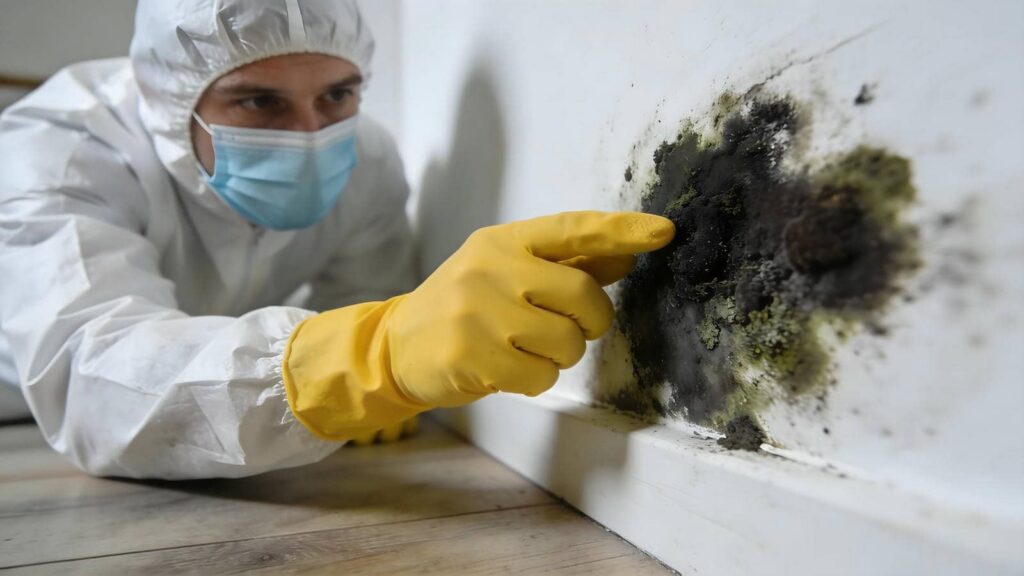
After water damage, the situation can get a little delicate fast. You need to remove standing water right away, then dry wet materials within 24 to 48 hours. Use fans and dehumidifiers to keep humidity below 60%, improve airflow, and clean surfaces that may hold moisture. Some materials can still hide dampness even when they look fine, and that’s where the next step matters.
Key Takeaways
- Remove standing water immediately using pumps, wet vacuums, or mops, and check hidden areas for trapped moisture.
- Dry wet materials quickly by removing soaked textiles and blotting salvageable surfaces before mold can grow.
- Increase airflow with fans and dehumidifiers, and keep indoor humidity below 60%.
- Clean moisture-prone surfaces like baseboards, window sills, and vents with detergent and approved disinfectants.
- Replace porous materials that stay wet too long, and keep children and pets away from affected areas.
What To Do After Water Damage
Act fast after water damage to limit mold growth and structural decay. You should document all affected areas with photos, then notify your insurer to start insurance claims.
Contact emergency contacts for utility shutoffs, leaks, or safety hazards, and call restoration services if damage is extensive. Wear protective gear, open windows if weather allows, and keep children and pets away from contaminated rooms.
You’ll reduce health risks by tracking odors, discoloration, and soft materials that stay damp. Use prevention strategies such as verifying source repairs, monitoring humidity, and setting fans or dehumidifiers after cleanup.
Quick action lowers long term effects, supports recovery, and helps your household feel informed, prepared, and connected through the process.
Remove Standing Water Right Away
Remove standing water as soon as it’s safe to do so, because every hour of delay increases the chance of mold growth and material damage.
You should treat standing water as a priority and act with immediate action, since pooled water can seep into seams, subfloors, and wall bases.
Turn off electricity in affected areas if needed, then use pumps, wet vacuums, buckets, or a mop to clear water quickly.
Check hidden spots like corners, under cabinets, and behind appliances, where water often lingers.
Keep traffic low so you don’t spread contamination.
If the volume is large, call a water-restoration pro right away.
Fast removal protects your space, helps your team stay safer, and keeps recovery on track for everyone involved.
Dry Wet Materials Fast
Once the standing water is gone, dry every wet material as quickly as you can. You protect your space by treating fabrics, drywall, and wood as priority items. Use proven drying techniques that match each material’s thickness and porosity, and check hidden layers as well. Fast action limits mold growth and supports moisture control before damage spreads.
Remove soaked textiles and launder or discard them.
Blot surfaces, then dry them in place if they’re salvageable.
Separate damp items so trapped water can escape.
Keep checking for cool, damp spots, because those usually mean moisture remains. If materials stay wet too long, replace them instead of waiting.
You’re not just cleaning up; you’re protecting your home and helping your household recover together.
Improve Airflow And Dehumidify
To speed drying and slow mold growth, increase airflow across all damp areas and run dehumidifiers in the affected rooms.
Open interior doors, set fans to move air over wet walls and floors, and keep vents clear so air circulation reaches hidden pockets.
Position dehumidifiers close to the wettest zones, drain them continuously if you can, and empty reservoirs before they shut off.
Target indoor humidity below 60% for strong humidity control; use a hygrometer to confirm it.
If the air feels damp, adjust equipment right away.
Keep the space closed from humid outdoor air when possible.
You’re not just drying a room—you’re protecting your home with the same steady routine your neighbors would trust after water damage.
Clean Mold-Prone Surfaces
After the area has dried as much as possible, clean any surfaces that tend to hold moisture and dust, since they can support mold growth if left dirty.
You should wipe baseboards, window sills, vents, and cabinets with approved cleaning products, then dry them completely. If you’re part of a team restoring the space, keep everyone consistent so no damp residue stays behind.
- Use detergent first, then disinfect if the surface allows.
- Replace porous items that stayed wet too long.
- Choose mold resistant materials for repairs when possible.
Work methodically, and check hidden spots like corners and under sinks.
Good cleanup lowers risk and helps your home feel safe again.
Frequently Asked Questions
How Soon Can Mold Appear After Water Damage?
Mold can appear within 24 to 48 hours after water damage. You should act fast, because the mold growth timeline starts quickly. Keep humidity control tight, dry materials thoroughly, and you’ll protect your space.
Can Insurance Cover Mold Remediation Costs?
Yes—your insurance can cover mold remediation costs, but you’ll need to check your insurance policies carefully. Like a gatekeeper at the door, mold exclusions often limit coverage after water damage, so act fast and document everything.
Should I Test Indoor Air for Hidden Mold?
Yes—if you smell mustiness or see hidden moisture, you should test indoor air for hidden mold. Mold testing can identify spores and guide cleanup. Protect your air quality, and you’ll help your home feel safer and healthier.
When Should Damaged Drywall Be Replaced Completely?
You should replace damaged drywall completely when it’s soft, swollen, crumbling, or moldy. After a drywall assessment, if moisture control can’t fully dry it within 24–48 hours, you’ll need full replacement.
How Do I Know if Mold Is Inside Walls?
Like a silent stain beneath paint, you’ll spot mold growth signs, musty odors, or warped drywall. Use hidden moisture detection tools, like a meter or thermal camera, to confirm dampness inside walls before you open them.
Wrap-Up
After water damage, you’ve got to act fast to keep mold from taking hold. Remove standing water right away, dry wet materials within 24 to 48 hours, and use fans plus dehumidifiers to keep humidity below 60%. Open windows or doors to improve airflow, and clean mold-prone surfaces before moisture lingers. Don’t let hidden damp spots slip through the cracks. If you stay proactive, you’ll protect your space and reduce costly repairs.