
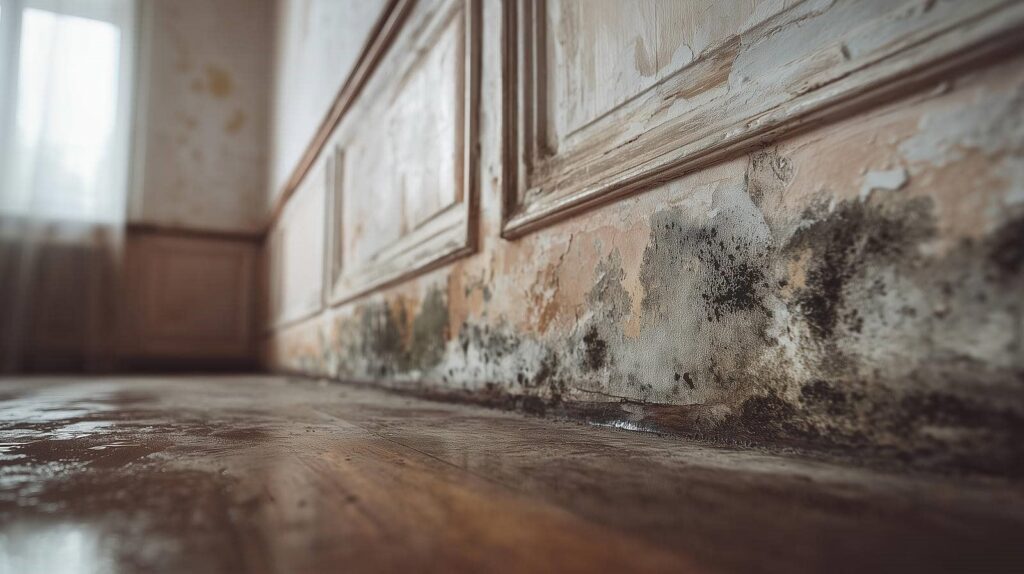
Many homeowners underestimate the costs associated with mold remediation, often believing it to be a minor expense. However, the reality can be quite different, with costs ranging considerably based on various factors. Understanding these influences can help you make informed decisions. Curious about what drives these costs and how to navigate them effectively? Let’s explore the key elements that affect mold remediation expenses.
Key Takeaways
- Mold remediation costs typically range from $500 to $6,000, depending on severity and area size.
- Minor infestations may cost around $500 to $1,500, while severe cases can exceed $3,000.
- Professional services provide expertise and specialized equipment, justifying higher costs compared to DIY methods.
- Additional costs like inspection fees ($200 to $500) and material repairs can impact the overall budget.
- Obtaining multiple quotes from contractors ensures effective price and service comparison for mold remediation.
Factors Influencing Mold Remediation Costs
When it comes to mold remediation costs, several factors come into play that can greatly impact the final price you’ll pay. Different mold types, such as black mold or allergenic mold, require varying levels of expertise and resources for effective removal.
The severity of the infestation also influences costs; extensive growth may necessitate more intensive remediation methods, increasing labor and material expenses. Additionally, your location can affect pricing due to regional demand for services and local regulations.
Another critical factor is the accessibility of the affected area. If mold is hidden behind walls or in hard-to-reach spaces, it can complicate the remediation process, leading to higher costs.
Finally, the choice between DIY methods and hiring professionals can considerably impact your overall expenses. By understanding these factors, you can better navigate the mold remediation landscape and make informed decisions that suit your needs.
Average Costs for Mold Remediation
When considering mold remediation, it’s crucial to understand the average costs involved.
These costs can vary considerably based on factors like the severity of the mold issue and the size of the affected area.
Typically, you’ll find price ranges that reflect these influences, helping you budget effectively for the necessary services.
Factors Influencing Costs
Although various factors can influence the costs of mold remediation, understanding these elements can help you budget effectively for the necessary work.
Different mold types and the chosen remediation methods can greatly impact your overall expenses. Here are some key factors to take into account:
Extent of infestation: Larger areas with severe mold growth typically require more resources and time.
Type of mold: Certain mold types may necessitate specialized treatments, raising costs.
Location and accessibility: Hard-to-reach areas may require additional labor or equipment, increasing the price.
Typical Price Ranges
Understanding the typical price ranges for mold remediation can help you gauge what to expect financially.
Generally, you can expect costs to range from $500 to $6,000, depending on the severity of the mold problem and the size of the affected area. Basic mold removal techniques may cost less, while extensive remediation involving structural repairs can be significant.
Many professionals use cost estimation methods that factor in labor, materials, and equipment. For minor issues, you might spend around $500 to $1,500, while more severe cases could push costs to $3,000 or more.
Being informed about these price ranges allows you to budget effectively and select the right service for your needs, fostering a sense of community and support as you address mold challenges.
Cost Breakdown by Severity of Mold Infestation
As you assess the costs associated with mold remediation, it’s crucial to recognize that expenses vary greatly based on the severity of the infestation. The costs primarily depend on the mold types present and the infestation levels.
Minor Infestation: If you’ve got a small area affected, the cost can range from $500 to $1,500.
Moderate Infestation: For larger areas or multiple rooms, expect to pay between $1,500 and $3,000.
Severe Infestation: Extensive damage, requiring removal of walls or flooring, can easily exceed $3,000 and go up to $10,000 or more.
Understanding these factors helps you prepare and make informed decisions.
Addressing the severity of the infestation early on not only minimizes costs but also promotes a healthier living environment.
Prioritizing action will foster a sense of community and belonging as you protect your home.
Comparison of DIY vs. Professional Mold Remediation Costs
How do the costs of DIY mold remediation stack up against hiring professionals?
When you consider DIY methods, you might initially save money on labor costs. Supplies for basic mold removal can range from $50 to $300, depending on the severity of the issue and the materials needed.
However, the hidden costs could outstrip your savings if the problem worsens or if you miss mold growth in hidden areas.
In contrast, professional services typically range from $500 to $6,000, depending on the infestation’s severity.
While this seems pricier, professionals bring expertise and specialized equipment, ensuring thorough remediation and reducing the risk of future mold issues.
You’ll also have peace of mind knowing that the job is done correctly.
Ultimately, weighing the immediate savings of DIY against the long-term benefits of hiring professionals is essential in deciding the best approach for your situation.
Additional Costs Associated With Water Damage Restoration
When dealing with water damage restoration, you need to take into account additional costs beyond mold remediation.
Inspection and assessment fees can quickly add up, as professionals evaluate the extent of the damage.
Additionally, repair and replacement costs for affected materials can greatly impact your overall budget.
Inspection and Assessment Fees
Inspection and assessment fees are essential components of the overall cost associated with water damage restoration, often ranging from $200 to $500 depending on the extent of the damage and the size of the affected area.
When you opt for mold inspection and assessment services, you guarantee a thorough evaluation of the problem.
Consider these key factors:
Extent of Damage: More extensive damage usually leads to higher fees.
Size of Area: Larger spaces may require more detailed inspections, increasing costs.
Professional Expertise: Certified professionals typically charge more due to their expertise and equipment.
Investing in these services not only provides peace of mind but also helps prevent further complications down the line.
Repair and Replacement Costs
After evaluating the damage through inspection and evaluation, the next step in the water damage restoration process involves understanding the repair and replacement costs.
You’ll want to take into account the various repair materials needed, such as drywall, insulation, and flooring, which can greatly impact your budget.
Additionally, replacement strategies play a vital role in determining the overall cost. For instance, opting for high-quality materials might save you money in the long run by preventing future issues.
It’s important to get multiple quotes from contractors to compare prices and services.
Insurance Coverage for Mold Remediation
Although mold remediation can be costly, understanding your insurance coverage can greatly mitigate these expenses. Many homeowners aren’t aware that their insurance policy may cover mold remediation, but it often comes with specific limitations, particularly mold exclusions.
To guarantee you’re prepared, consider the following:
Review your policy: Check for any mold-related clauses that might affect coverage.
Document damage: Keep detailed records and photographs of any mold issues to support your claim.
Consult your agent: Speak to your insurance agent to clarify coverage details and understand your options.
Preventative Measures to Reduce Future Mold Costs
Understanding your insurance coverage is just the first step in managing mold-related expenses. To effectively reduce future mold costs, consider implementing preventative measures.
Start by using mold resistant materials in areas prone to moisture, like bathrooms and kitchens. These materials can greatly minimize mold growth, saving you money on potential remediation.
Additionally, maintain humidity control throughout your home. Keep indoor humidity levels below 60% by using dehumidifiers and ensuring proper ventilation. Regularly check for leaks and promptly address any water issues to avoid creating an inviting environment for mold.
Routine maintenance, such as cleaning gutters and inspecting your roof, can also prevent water intrusion.
Regional Variations in Mold Remediation Pricing
When considering mold remediation costs, it’s essential to recognize that prices can vary greatly based on your region. Factors such as local regulations, labor costs, and the availability of remediation services can markedly impact your expenses.
Here are some key points to keep in mind regarding regional pricing:
Urban vs. Rural Areas: Urban areas often have higher costs due to demand and overhead.
State Regulations: Different states may impose varying regulations that can affect pricing and required procedures.
Climate Influence: Regions with higher humidity levels typically see more mold issues, leading to increased demand for services.
Understanding these regional variations helps you budget more effectively and choose the right approach for your situation.
Choosing the Right Mold Remediation Company
How do you guarantee you’re selecting the right mold remediation company? Start by researching companies in your area. Look for those with a solid reputation and experience in mold removal. Check their certifications and ascertain they follow industry standards to assure effective remediation.
Next, evaluate reviews from past customers. Pay attention to feedback regarding their professionalism, timeliness, and effectiveness. A company with consistently positive reviews is likely to provide quality service. Don’t hesitate to ask for references; speaking directly with previous clients can offer invaluable insights.
Additionally, get multiple quotes to understand the pricing structure and services offered. This will help you identify a company that fits your budget without compromising quality.
Finally, trust your instincts; choose a company that makes you feel comfortable and confident in their ability to handle your mold issue. Making an informed choice will help you feel secure in your decision.
Frequently Asked Questions
How Long Does Mold Remediation Typically Take to Complete?
Mold remediation typically takes one to five days, depending on various time factors like infestation severity and property size. You’ll want to consult professionals for an accurate completion timeline tailored to your specific situation.
Can Mold Return After Remediation Is Done?
Yes, mold can return after remediation if you neglect mold prevention tips. Regular post-remediation inspections help guarantee a safe environment, fostering a sense of belonging by keeping your space healthy and mold-free for everyone.
What Health Risks Are Associated With Mold Exposure?
Mold exposure can lead to various health effects, including respiratory issues, allergic reactions, and skin irritations. You might experience mold symptoms like coughing, sneezing, or headaches, emphasizing the importance of addressing mold problems promptly.
Do I Need to Vacate My Home During Remediation?
Many experts recommend vacating your home during remediation, as nearly 50% of families report health issues from mold exposure. It’s best to secure temporary housing for safety, ensuring you minimize risks while professionals handle the situation.
Are There Any Mold Types That Are More Expensive to Remediate?
Yes, toxic mold types, like black mold, often require specialized remediation techniques, driving up costs. Their hazardous nature demands thorough assessments and safety measures, making these situations more complex and expensive to handle effectively.
Final Thoughts
Understanding mold remediation costs can save you both time and money in the long run. Think of it like maintaining a car; ignoring minor issues can lead to major repairs down the road. By addressing mold problems early and choosing the right professionals, you can prevent extensive damage and costly fixes. Invest in preventative measures, and you’ll not only protect your home but also guarantee a healthier living environment for you and your family.