
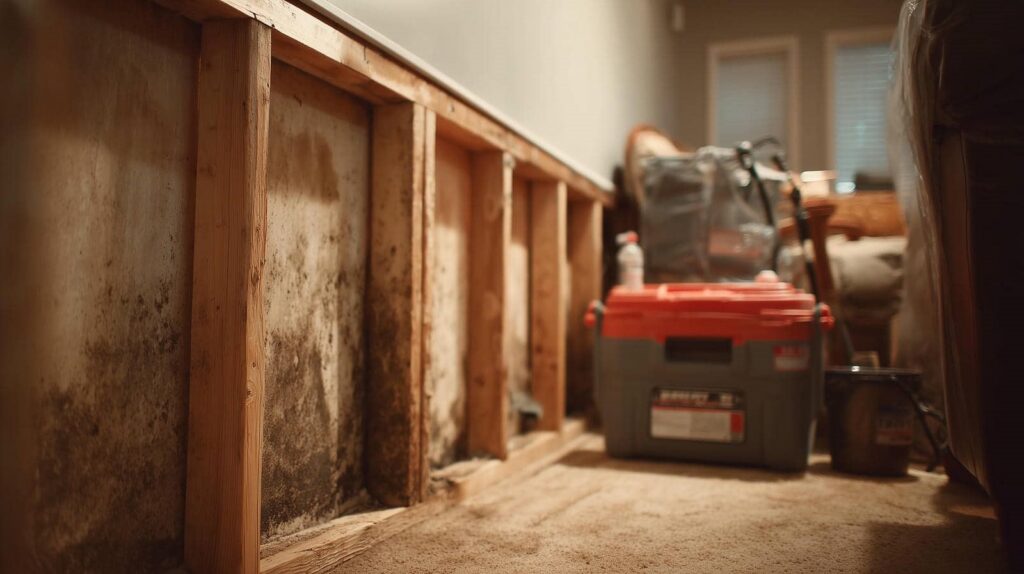
You see water, but the real damage often hides where you can’t. Structural drying removes trapped moisture from framing, drywall, and subfloors after flooding, limiting warping, delamination, and microbial growth. Water extraction clears standing water, but drying stabilizes materials that still hold moisture deep inside. If you’ve found swollen surfaces, lingering odors, or damp building materials, the next step can determine how much damage you avoid.
Key Takeaways
- Structural drying removes trapped moisture from materials, preventing further deterioration after water intrusion.
- It reduces warping, swelling, and delamination in wood, drywall, and other porous materials.
- Controlled airflow and dehumidification stop hidden moisture from spreading into deeper building layers.
- Drying helps prevent mold growth, musty odors, and secondary damage caused by lingering dampness.
- Fast structural drying stabilizes affected areas and speeds recovery before damage becomes more severe.
What Structural Drying Does After Flood Damage
Structural drying removes excess moisture from building materials after flood damage and helps stop the spread of further deterioration. You use it to stabilize affected spaces, reduce the risk of warping, swelling, and delamination, and support faster flood recovery.
Technicians inspect surfaces, assess saturation, and select equipment that matches the materials in your home or business. Fans, dehumidifiers, and targeted airflow work together to restore moisture control while protecting structural components from avoidable loss.
You gain a cleaner, safer environment and a more predictable path back to normal operations. By acting quickly, you help limit secondary damage and keep your property on track for full restoration.
Structural drying gives your team a clear, coordinated response when every hour counts.
How Structural Drying Removes Hidden Moisture
Even when surfaces look dry, hidden moisture can remain trapped inside drywall, framing, subfloors, and insulation.
So structural drying uses controlled airflow, heat, and dehumidification to pull that moisture out. You’ll benefit from moisture detection tools that map damp zones and show where drying techniques must focus.
Sensors verify moisture levels in materials, not just on the surface.
Air movers increase evaporation by exposing wet fibers and cavities.
Dehumidifiers capture vapor before it settles again.
Water Extraction vs. Structural Drying
Water extraction removes standing water quickly from floors, carpets, and other surfaces, but it doesn’t dry the moisture that has already moved into materials like drywall, wood, or insulation.
You need structural drying after water extraction because it targets trapped moisture and helps you regain control of the environment.
With professional moisture control, you reduce the risk of lingering dampness, odor, and secondary damage.
Water extraction is the first response; structural drying is the deeper process that stabilizes your space.
When you understand both, you can make faster, smarter decisions and protect your property with confidence.
If you’re part of a team managing water damage, this sequence helps everyone stay aligned and focused on the same recovery goal.
Materials That Need Structural Drying Fast
Porous building materials can trap moisture quickly, so you need to dry them fast to prevent swelling, warping, and microbial growth. In your property, prioritize materials that absorb water and lose strength fast.
Wood flooring: it can cup, buckle, and separate at seams if moisture stays trapped.
Drywall damage: gypsum softens rapidly, and paper facing can delaminate, stain, or lose integrity.
Insulation and subflooring: these hidden layers hold water longer, slowing recovery and spreading risk to adjacent rooms.
You’ll get the best results when you act as a team with certified drying technicians who monitor moisture and airflow.
That approach protects the structure, reduces replacement costs, and helps your space return to normal faster.
Signs Your Flood Damage Needs Drying
How do you know flood damage needs structural drying? You’ll see flood symptoms that don’t improve after surface cleanup.
Warped flooring, soft drywall, swollen baseboards, and a persistent musty odor are strong moisture indicators. If your walls feel cool, paint blisters, or floors squeak and flex, hidden water may still be trapped in framing or subflooring.
You should also check for visible staining, recurring condensation, and damp insulation behind cavities. Even small leaks can migrate into structural materials and weaken them over time.
When you spot these signs, act quickly with professional drying to protect your property and keep your home safe. Fast intervention helps you avoid mold growth, structural decay, and higher repair costs, while restoring confidence in your space.
Frequently Asked Questions
How Soon Should Structural Drying Begin After Water Exposure?
You should begin structural drying immediately after water exposure, ideally within 24 hours, so you can reduce damage and mold risk. Your drying techniques work best when you act fast and use professional equipment.
Can Structural Drying Help Prevent Mold Growth?
Yes, structural drying can help prevent mold growth because you’re controlling moisture before spores take hold; even if surfaces seem dry, hidden dampness lingers, so professional moisture control supports effective mold prevention and protects your environment.
Does Structural Drying Reduce Long-Term Repair Costs?
Yes, structural drying can reduce long-term repair costs. You’ll improve cost effectiveness by limiting secondary damage, and you’ll boost repair longevity through controlled moisture removal, helping your property stay sound, reliable, and well protected.
Is Structural Drying Needed for Small Leaks Too?
Yes—your small leak can still need structural drying; EPA estimates 1 in 10 homes have hidden moisture. You’ll protect structural integrity, prevent mold, and stay confident your property’s safe, dry, and ready for occupants.
How Long Does Structural Drying Usually Take?
You’ll usually need three to five days, depending on materials, moisture levels, and damage extent. Professionals use drying techniques and drying equipment to accelerate results, helping you feel confident your space is safe and restored.
Final Thoughts
When floodwater leaves your property, you need more than a quick cleanup you need structural drying to handle the moisture that quietly lingers. By removing trapped water from wood, drywall, and other materials, you help your building avoid further strain, warping, and hidden deterioration. If you’ve noticed damp odors, soft surfaces, or lingering humidity, it’s time to act. Prompt drying doesn’t just tidy up the aftermath; it preserves your structure’s long-term stability.