
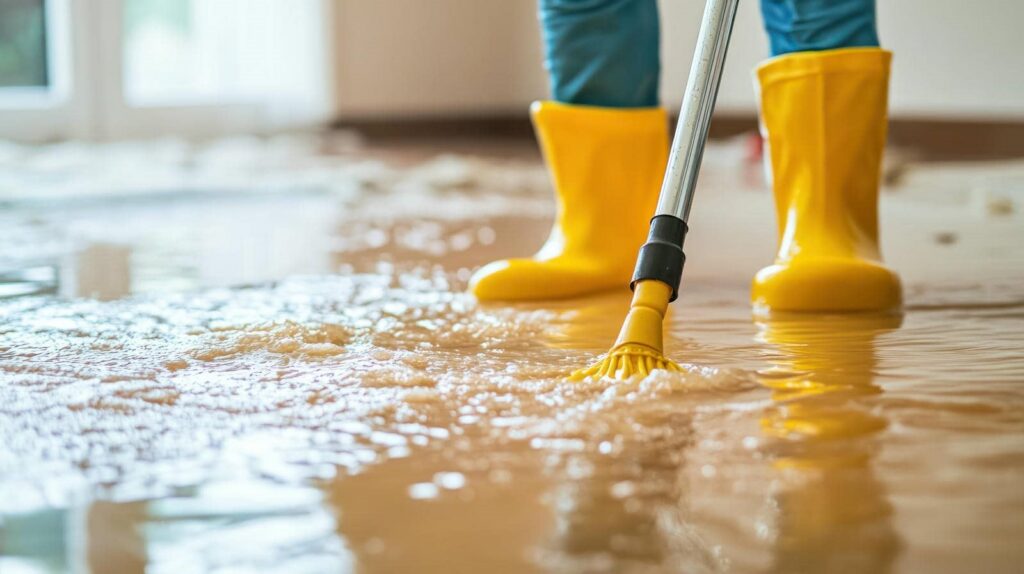
When faced with an emergency water removal situation, it’s vital to act swiftly and methodically. Start by evaluating the damage and identifying the source of water. Next, guarantee safety by turning off electricity and gas. Wearing protective gear is essential to guard against contaminants. The effectiveness of your response hinges on the steps you take next, and understanding these can make all the difference in preventing further complications. What should you do immediately after?
Key Takeaways
- Quickly assess the situation to identify the water source and evaluate damage for effective response.
- Turn off electricity and gas to prevent hazards before starting any water removal efforts.
- Wear protective gear, including gloves, boots, and masks, to ensure safety during cleanup.
- Start water extraction immediately using manual methods and advanced techniques to minimize damage.
- Remove saturated materials and monitor humidity levels to prevent mold growth and further damage.
Assess the Situation Quickly
When you face a water emergency, it’s essential to evaluate the situation quickly to prevent further damage. Begin by identifying the water source—whether it’s a broken pipe, flooding, or a leaking appliance. Understanding where the water is coming from helps you prioritize your response effectively.
Next, conduct a thorough damage evaluation. Check for standing water, which can lead to mold growth, and examine structural elements like walls and floors for signs of saturation. Document any damage for insurance purposes, noting affected areas and items.
While evaluating, consider the safety of your environment. If the water poses a health risk, like contamination or electrical hazards, take precautions.
Turn Off Electricity and Gas
When facing water emergencies, your first priority should be safety.
Turning off electricity and gas prevents potential hazards, such as electrical shocks or gas leaks, that could complicate the situation.
Safety First
Before you begin any water removal efforts, it’s essential to prioritize safety by turning off the electricity and gas in your home. This step is vital to prevent electrical hazards or gas leaks that could arise during cleanup.
Make sure you have the necessary safety equipment, like rubber gloves and boots, to protect yourself from potential contaminants. Familiarize yourself with emergency protocols specific to your area, as they can provide guidance on handling hazardous situations.
If you’re unsure about turning off the electricity or gas safely, don’t hesitate to call a professional. Taking these precautions not only safeguards you but also fosters a sense of community responsibility and care for those around you.
Safety is the first step in effective water removal.
Prevent Further Damage
After confirming your safety, the next step is to prevent further damage by turning off your electricity and gas. This action protects you from potential hazards, such as electric shock or gas leaks.
Once you’ve done that, assess your drainage systems to verify they’re functioning properly, as blocked drains can worsen water accumulation. If possible, install moisture barriers to safeguard your walls and floors from ongoing dampness.
These barriers can greatly reduce the risk of mold growth, which poses health risks. By methodically addressing these issues, you not only minimize immediate damage but also create a safer environment for yourself and others.
Wear Protective Gear
Although you may be keen to start the water removal process, wearing protective gear should be your top priority. This is vital not just for your safety, but also to guarantee an efficient and effective cleanup.
Water damage can introduce hazardous materials, so using the right safety equipment is essential.
Consider the following items for your protective clothing:
- Waterproof gloves to shield your hands from contaminants.
- Rubber boots to keep your feet dry and protected from slipping.
- A mask or respirator to avoid inhaling mold spores or other harmful particles.
- Eye protection to guard against splashes and debris.
These items form a barrier between you and the potential dangers of the water-logged environment.
Start Water Extraction Immediately
Act swiftly to initiate water extraction, as every moment counts in minimizing damage and preventing mold growth. Delaying this critical step can lead to extensive water damage, jeopardizing not just your property but also your health.
To effectively tackle this situation, familiarize yourself with proven extraction techniques tailored to your specific circumstances. Whether you’re dealing with a minor leak or a significant flood, each scenario requires a methodical approach.
Begin by evaluating the affected area, identifying the water source, and removing any obstacles that hinder your extraction efforts. Use a combination of manual methods, such as mopping and bucket removal, alongside more advanced techniques, if available.
Prioritize areas with standing water and porous materials, as these are the most vulnerable to rapid damage. By acting decisively and employing the right extraction techniques, you’ll help safeguard your environment and foster a sense of community resilience in the face of adversity.
Use the Right Equipment
Using the right equipment is essential for effective water removal, and having the right tools on hand can greatly enhance your efficiency.
When you face a water emergency, it’s vital to equip yourself with high-quality tools to tackle the situation methodically.
Consider these essential items:
- Water pumps: Ideal for quickly removing large volumes of water.
- Extraction tools: Help you get rid of residual moisture from surfaces.
- Wet/dry vacuums: Versatile for both liquid and solid debris.
- Dehumidifiers: Important for drying out the affected area post-extraction.
Remove Items From Affected Areas
When you face water damage, start by prioritizing your valuable belongings to prevent irreversible loss.
Next, make sure you protect electrical appliances from further exposure, as they can pose safety hazards.
Finally, assess the structural integrity of the area to determine if it’s safe to proceed with removing items.
Prioritize Valuable Belongings
As soon as you identify areas affected by water damage, prioritizing valuable belongings becomes essential to mitigating loss.
Start by evaluating which items are irreplaceable or hold deep sentimental value. Quick, methodical action can save these treasures from water exposure.
- Family heirlooms
- Important documents (e.g., passports, birth certificates)
- Photographs and albums
- Jewelry and personal keepsakes
Carefully remove these valuable items first, ensuring you handle them with care to avoid additional damage.
Once you’ve secured your most precious possessions, you can focus on further water removal efforts.
Protect Electrical Appliances
Once you’ve secured your valuable belongings, the next step is to protect electrical appliances from further damage.
Begin by unplugging all devices in affected areas to mitigate electrical risks. If possible, relocate these appliances to higher ground or dry locations; even a small amount of water can cause significant harm.
Make sure to turn off the main power supply if flooding is severe, ensuring appliance safety and reducing the chance of electric shock.
Check for any visible damage before attempting to restore power to your appliances, as malfunctioning devices can pose serious hazards.
Document any damaged items for insurance purposes, and consider consulting a professional for guidance on repairs and replacements.
Prioritize safety and act swiftly.
Assess Structural Integrity
Before you begin any water removal efforts, it’s important to assess the structural integrity of your home, especially in areas affected by flooding.
Conducting a thorough structural assessment helps guarantee your safety and prevents further damage. Start by checking for signs of weakness or instability.
- Inspect walls for cracks or bulging.
- Look for sagging ceilings or floors.
- Evaluate the foundation for any shifting.
- Check for any signs of mold growth.
An integrity evaluation will guide your next steps. If you notice significant issues, it’s wise to consult a professional before proceeding with water removal.
Protecting yourself and your home is essential during this challenging time, so taking these precautionary measures is critical.
Dry Out the Space Thoroughly
To effectively mitigate water damage, drying out the space thoroughly is essential. Start by using effective drying techniques such as high-velocity fans and dehumidifiers. Position fans to create airflow across damp surfaces, ensuring moisture removal from every corner.
It’s vital to monitor humidity levels throughout the process; aim for a relative humidity below 50%.
Next, remove any saturated materials like carpets or drywall, as they can harbor moisture and promote mold growth. If you can, elevate furniture to prevent water absorption and use absorbent materials to soak up excess water.
Regularly check for moisture pockets in hidden areas, but keep your focus on visible surfaces first. Staying methodical in your approach not only speeds up the drying process but also fosters a sense of security in knowing you’ve taken the right steps to protect your space.
Check for Hidden Moisture
Even after thoroughly drying out visible areas, hidden moisture often lingers in less accessible spots, posing a risk for ongoing damage.
This moisture can lead to mold growth and structural issues if left unchecked. You need to perform thorough moisture detection to identify hidden leaks that may be causing problems.
Consider these key areas to investigate:
- Behind walls and baseboards
- Under carpets and rugs
- Inside cabinets and closets
- Around plumbing fixtures
Using a moisture meter can help you gauge the humidity levels in these areas.
Additionally, pay attention to any musty odors, which may signal hidden moisture. By addressing these potential issues promptly, you’ll protect your home from long-term damage and guarantee a healthier living environment.
Contact Professionals for Assistance
When faced with significant water damage, reaching out to professionals can be essential, as their expertise guarantees that every aspect of the situation is addressed thoroughly.
Professional restoration teams are equipped with advanced tools and techniques to efficiently extract water and prevent further damage. They understand the urgency of emergency services and can respond quickly, minimizing the impact on your property.
By contacting experts, you’re not just getting help; you’re ensuring that the right steps are taken to restore your space safely. These professionals can identify hidden moisture, which you might overlook, and implement effective drying solutions.
They also provide guidance on preventing future issues, fostering a sense of security and belonging in your home.
In times of crisis, relying on skilled restoration services helps you regain control and peace of mind, knowing that you’re not alone in maneuvering such challenging circumstances.
Frequently Asked Questions
What Are the Health Risks Associated With Standing Water?
Standing water poses significant health hazards, including the breeding of mosquitoes and the growth of mold. You’re at risk for diseases and respiratory issues if you’re exposed, so addressing it promptly is essential for your safety.
How Can I Prevent Mold Growth After Water Removal?
To prevent mold growth after water removal, you’ve gotta control humidity. Use dehumidifiers, ventilate spaces, and clean thoroughly. It’s essential to act fast—mold can spread faster than a rumor in a small town!
What Should I Do With Damaged Furniture?
You should assess the damage and prioritize furniture restoration. Use salvage techniques like drying, cleaning, and refinishing to revive pieces. Document everything, as insurance might cover restoration costs, fostering a sense of belonging in your space.
Is It Safe to Stay in My Home During Water Removal?
You shouldn’t stay in your home during water removal. Assess the water safety; hazardous conditions may exist. Carefully evaluate your surroundings, ensuring your safety and well-being while professionals restore your space to its former glory.
How Can I File an Insurance Claim for Water Damage?
To file an insurance claim for water damage, gather all relevant insurance documentation, including photos and repair estimates. Then, follow your insurer’s claim process carefully to guarantee a smooth and successful claim experience.
Recap
In an emergency water removal situation, acting swiftly and safely is essential. By evaluating the damage, turning off utilities, and donning protective gear, you lay the groundwork for effective recovery. The theory that early intervention can prevent mold growth holds true; timely actions can greatly reduce long-term damage. Remember, while DIY efforts can be helpful, contacting professionals guarantees thorough restoration. Your proactive approach not only safeguards your property but also gives you peace of mind during a stressful time.