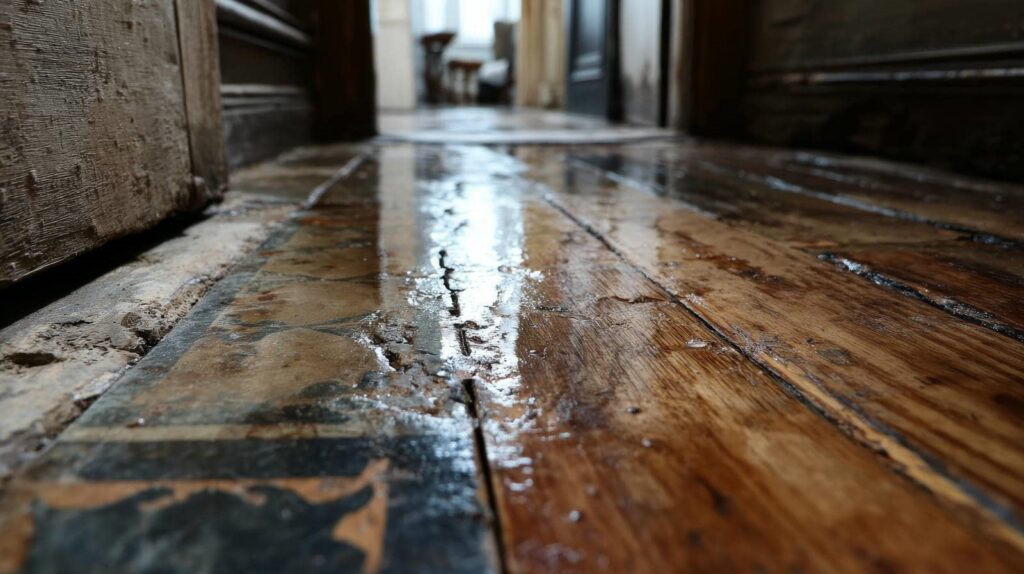
Did you know that mold can start growing within 24 to 48 hours after water damage? Choosing effective mold remediation techniques is essential not just for eliminating visible spores but also for addressing the moisture issues that allow mold to thrive. This approach not only safeguards your health but also protects your property value. Understanding the various methods available can help you make informed decisions, ensuring long-term protection against future infestations.
Key Takeaways
- Effective mold remediation techniques eliminate existing mold and prevent regrowth, ensuring a healthier living environment.
- Professional assessments accurately diagnose mold issues and employ safe removal methods to protect your property and health.
- Timely remediation preserves property value, as unresolved mold problems can deter buyers and lower sale prices.
- Utilizing effective techniques reduces the risk of health issues associated with mold exposure, including respiratory problems and allergic reactions.
- Regular inspections and maintenance post-remediation help monitor moisture levels and prevent future mold growth.
Understanding Mold Growth After Water Damage
When water damage occurs, mold can begin to grow within 24 to 48 hours, making it vital to address any moisture issues promptly. Understanding the mold lifecycle stages is important for effective remediation.
Mold starts as spores, which require moisture to germinate. Once conditions are favorable, the spores develop into hyphae, leading to colonization. This process can escalate rapidly if moisture control measures aren’t implemented quickly.
You must monitor humidity levels and fix leaks to prevent mold growth. Using dehumidifiers and ensuring proper ventilation can greatly reduce moisture levels, disrupting the mold lifecycle.
If you encounter water damage, act fast to mitigate risks. Remember, mold not only affects your home’s integrity but also your health. Effective moisture control is your first line of defense, fostering a safe and healthy environment for you and your loved ones.
Being proactive can save you time, money, and stress in the long run.
Importance of Timely Mold Remediation
Timely mold remediation is essential for mitigating health risks associated with mold exposure, which can lead to respiratory issues and allergic reactions.
Addressing mold growth promptly also helps preserve your property’s value and prevents costly repairs down the line.
Health Risks Mitigation
Because mold can rapidly proliferate in damp environments, addressing it promptly is essential for safeguarding your health.
Timely mold remediation helps mitigate several health risks, including:
Allergy Triggers: Mold spores can provoke allergic reactions, leading to skin irritations and other discomforts.
Respiratory Issues: Prolonged exposure to mold may cause respiratory problems and exacerbate chronic conditions like asthma.
Toxic Exposure: Some molds produce mycotoxins that can harm your immune responses and lead to serious health complications.
Ignoring mold can also result in psychological effects, amplifying stress and anxiety.
Prioritizing remediation not only protects you from these dangers but fosters a healthier living environment, allowing you to thrive within your space.
Property Value Preservation
Mold can considerably diminish your property’s value if not addressed swiftly. In the competitive property market, buyers often shy away from homes with mold issues, fearing costly repairs and health risks.
Timely mold remediation and regular mold inspections can prevent these losses, preserving your investment’s worth. Evidence shows that properties with documented mold issues sell for markedly less than their mold-free counterparts.
By acting promptly, you not only safeguard your health but also enhance your property’s appeal. A proactive approach demonstrates responsibility and care, fostering trust among potential buyers.
Ultimately, prioritizing mold remediation is essential to maintain your property’s value, ensuring you belong in a thriving community and protect your financial future.
Preventive Measures Implementation
Addressing mold issues promptly not only preserves property value but also allows homeowners to implement preventive measures that greatly reduce future risks.
By focusing on preventive maintenance and moisture control, you can create a healthier living environment. Here are three effective strategies:
Regular Inspections: Routinely check areas prone to dampness, such as basements and bathrooms, to catch moisture issues early.
Proper Ventilation: Maintain adequate airflow in your home, especially in high-humidity areas, to prevent moisture buildup.
Water Damage Repairs: Address leaks or water damage immediately to avoid mold growth and mitigate potential health hazards.
Common Mold Remediation Techniques
When you encounter mold, it’s important to implement effective remediation techniques promptly. One common approach is using chemical mold removal techniques, such as bleach or specialized fungicides, which can kill mold spores on surfaces. However, it’s significant to follow safety guidelines and guarantee proper ventilation when using these chemicals.
Another method involves physical removal, where you scrub affected areas with brushes and detergents, removing mold and spores.
Don’t forget to address the source of moisture to prevent regrowth, as mold thrives in damp environments.
Incorporating mold prevention strategies is crucial after remediation. You should regularly inspect areas prone to moisture, such as bathrooms and basements, and maintain low humidity levels with dehumidifiers.
Sealing cracks and improving ventilation can also help keep mold at bay. By combining these techniques with prevention strategies, you create a healthier living environment for yourself and those you care about.
Benefits of Professional Mold Remediation Services
When you opt for professional mold remediation services, you gain access to expert assessments that accurately diagnose the extent of the problem.
These specialists employ safe removal methods, ensuring your environment remains protected throughout the process.
Additionally, they provide long-term prevention strategies, greatly reducing the likelihood of future mold growth.
Expert Assessment and Diagnosis
Professional mold remediation services offer several critical advantages, particularly in expert assessment and diagnosis.
When you engage professionals, you benefit from their specialized knowledge and advanced mold identification techniques.
Here are three key benefits:
Accurate Diagnosis: Experts can identify the type and extent of mold, ensuring appropriate remediation methods are applied.
Comprehensive Evaluation: Professionals assess environmental factors contributing to mold growth, providing insights that might be overlooked in DIY efforts.
Long-term Solutions: Expert consultation benefits include recommendations for preventive measures, reducing the risk of future mold issues.
Safe Removal Methods
Effective mold remediation hinges on employing safe removal methods, which professionals are trained to execute meticulously.
By utilizing eco-friendly solutions, experts guarantee that mold is removed without introducing harmful chemicals into your environment. These methods often include the use of natural mold inhibitors, which not only eliminate existing mold but also prevent future growth.
You’ll appreciate that professionals follow strict protocols, minimizing risks to your health and property. With their expertise, they can identify hidden mold sources and effectively contain the affected areas, reducing the chance of spores spreading.
Choosing professional services means you’re investing in an extensive approach that prioritizes your well-being while fostering a safer, healthier home environment for you and your loved ones.
Long-term Prevention Strategies
While many homeowners focus on immediate mold removal, understanding long-term prevention strategies is crucial for maintaining a healthy living environment.
By investing in professional mold remediation services, you can effectively implement these strategies:
Humidity Control: Keep indoor humidity levels below 60% using dehumidifiers or air conditioning to create an inhospitable environment for mold growth.
Ventilation Improvement: Guarantee proper airflow in your home by using exhaust fans in kitchens and bathrooms, and opening windows when weather permits to reduce moisture buildup.
Regular Inspections: Schedule routine checks for leaks or water damage, allowing you to address potential issues before they escalate into larger mold problems.
DIY Mold Removal: When to Consider It
When you discover mold in your home, deciding whether to tackle the removal yourself can be intimidating. Before jumping into DIY methods, it’s essential to assess the situation carefully.
Begin with mold identification; if it’s a small patch of non-toxic mold, like on bathroom tiles, you might handle it effectively with household cleaners. However, if you notice extensive growth or suspect toxic mold, it’s wise to consult professionals.
Consider your comfort level and ability to effectively manage the situation. DIY mold removal can save you money, but it requires diligence and proper techniques. Equip yourself with the right knowledge and tools, and always prioritize thoroughness.
If you feel uncertain about your skills or the extent of the problem, it’s best to seek professional assistance. Remember, your home’s safety and your well-being come first, so weigh your options before deciding on DIY mold removal.
Safety Precautions During Mold Remediation
Before you begin mold remediation, it’s crucial to prioritize safety by taking specific precautions.
Mold can release spores that pose health risks, so safeguarding yourself and others is paramount. Here are three key safety measures to implement:
Wear Personal Protective Equipment (PPE): Verify you have gloves, goggles, and a mask (preferably N95) to minimize exposure to mold spores.
Conduct Air Quality Monitoring: Use air quality monitors to assess the levels of mold spores in your environment. This helps you understand when it’s safe to proceed or if further precautions are necessary.
Seal Off Affected Areas: Close off the work area and use plastic sheeting to prevent spores from spreading to other parts of your home.
Post-Remediation Verification and Testing
After implementing safety precautions and completing the mold remediation process, it’s important to verify that the job was successful. This verification step, known as post remediation evaluation, guarantees that the environment is safe for you and your loved ones.
Adhering to established testing protocols is essential; these protocols typically involve air and surface sampling to check for any lingering mold spores.
You should engage a certified professional for this evaluation, as they possess the expertise to accurately interpret test results. Reliable testing will confirm whether the remediation efforts were effective and if any additional actions are needed.
Preventing Future Mold Growth
To effectively prevent future mold growth, it’s crucial to control moisture levels in your home, as mold thrives in damp environments. Implementing certain strategies can greatly reduce the risk of mold reappearing.
Utilize Mold Resistant Materials: When renovating or building, opt for mold-resistant drywall and paints. These materials contain agents that inhibit mold growth, creating a healthier environment.
Maintain Humidity Control: Keep indoor humidity levels between 30-50%. Use dehumidifiers and exhaust fans in moisture-prone areas like kitchens and bathrooms to regulate humidity effectively.
Regular Inspections: Check for leaks and water damage regularly. Addressing any issues promptly helps prevent moisture accumulation, reducing the likelihood of mold.
Cost Considerations for Mold Remediation Solutions
Even with preventative measures in place, mold can still become an issue, leading to significant costs for remediation. When evaluating your options, conducting a cost effectiveness analysis is essential. This analysis helps you weigh the long-term benefits against the initial expenditure.
While some remediation methods can be pricey, there are budget friendly options available that don’t compromise on efficacy. For instance, DIY solutions can be effective for minor infestations, saving you money upfront. However, for extensive growth, investing in professional services may be necessary to guarantee thorough removal and prevent future issues.
Consider the potential costs of ignoring the problem—health risks and property damage can escalate quickly. Prioritizing effective mold remediation not only safeguards your home but also protects your finances.
Frequently Asked Questions
Can Mold Exposure Affect My Health Long-Term?
Yes, mold exposure can lead to long-term health risks. You might experience persistent mold symptoms like respiratory issues, allergies, or other chronic conditions. It’s essential to address mold promptly to protect your health and wellbeing.
How Can I Identify Hidden Mold in My Home?
Identifying hidden mold in your home is like searching for a needle in a haystack. Use mold detection methods and conduct a thorough home moisture analysis to uncover potential problem areas and guarantee a safe environment.
What Are the Signs of Ineffective Mold Remediation?
Signs of ineffective mold remediation include visible mold reoccurrence, musty odors, and persistent allergy symptoms. These indicate remediation failures, suggesting that underlying moisture issues weren’t addressed, allowing mold to thrive and return.
Is Mold Always Visible, or Can It Be Hidden?
Mold isn’t always visible; it can hide in locations like behind walls or under floors. Using mold detection techniques, you can uncover these hidden mold locations, ensuring a thorough and effective remediation process for your home.
How Do I Choose the Right Mold Remediation Professional?
Choosing the right mold remediation professional is like finding a trusted compass in a storm. Verify their certifications and weigh their service reputation against others to guarantee your home’s safety and your peace of mind.
Summary
Choosing effective mold remediation techniques is essential for safeguarding your home and health. For instance, a family in Florida faced recurring mold issues after a leak. By employing professional remediation methods, they not only eradicated the visible mold but also addressed the moisture source, ensuring the problem didn’t return. Prioritizing timely and thorough remediation can save you from future headaches and expenses, ultimately preserving your property’s value and your peace of mind.