
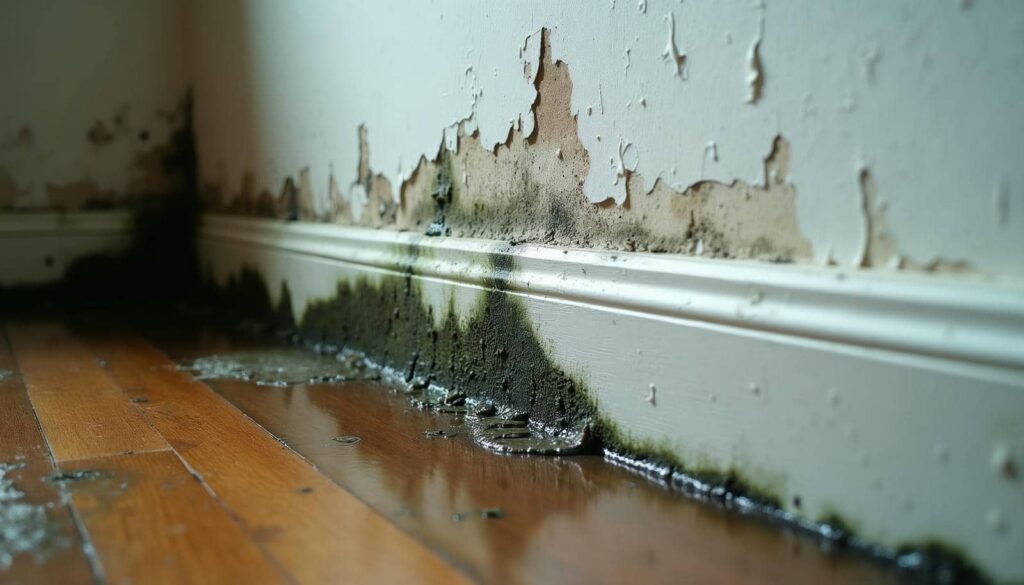
Water Damage doesn’t have to lead to mold if you take action quickly. Start by stopping the source of the water, remove wet materials within 24 to 48 hours whenever possible, and keep air circulating with fans and dehumidifiers to maintain indoor humidity between 30% and 60%. Then clean and disinfect damp surfaces while checking hidden areas for trapped moisture, since the most serious water damage often develops in places you can’t easily see.
Key Takeaways
- Shut off the water source immediately and call a plumber if the leak source is unclear.
- Remove soaked carpet, drywall, insulation, and other wet materials within 24 to 48 hours.
- Use fans and dehumidifiers to dry the area, keeping indoor humidity between 30% and 60%.
- Clean damp surfaces with soap and water, then disinfect with an EPA-registered product.
- Check behind walls, under floors, and inside cabinets for hidden moisture before finishing repairs.
Stop the Water Leak First
Before you do anything else, stop the water source causing the damage. You need to shut off the supply valve, isolate the broken fixture, or cut power to the affected appliance if it’s safe.
Act quickly, because every minute of flow raises mold risk. Use leak detection to confirm where the moisture starts and whether the water source is still active behind walls, under sinks, or near ceilings.
If you can’t locate the source, call a licensed plumber or restoration professional right away.
Keep your focus on control, not cleanup. When you stop the leak first, you protect the structure and give yourself the best chance to prevent mold growth.
You’re not handling this alone; experienced help can guide the next steps.
Remove Wet Materials Quickly
Pull wet materials out fast to limit mold growth and secondary damage. You should remove soaked carpet, padding, drywall, insulation, and any porous items that can’t be dried quickly.
Bag and isolate contaminated debris so it won’t spread spores through the rest of your home. During water removal, act within 24 to 48 hours whenever possible, because moisture trapped in hidden layers accelerates deterioration.
Inspect baseboards, cabinets, and underlayment for swelling, staining, and odor, then discard materials that stay damp or warped. Wear gloves and a respirator if you’re handling saturated debris, and keep the work area contained.
Fast removal supports mold prevention by eliminating the materials mold feeds on. When you clear wet contents promptly, you protect the structure, reduce repair costs, and help your home recover cleanly.
Use Fans and Dehumidifiers the Right Way
Once you’ve removed wet materials, use airflow and dehumidification to finish the drying process.
Position fans so they move air across damp surfaces, not at one spot. Good fan placement creates circulation and helps moisture escape from walls, floors, and framing.
Set dehumidifier settings to keep indoor humidity near 30% to 60%, and close windows and doors so the unit can work efficiently. You’re not just drying a room; you’re protecting your home team from mold growth and wasted effort.
- You’ll regain control faster.
- You’ll reduce the chance of hidden moisture.
- You’ll feel confident the space is drying correctly.
Check the equipment daily, empty the reservoir as needed, and adjust airflow until surfaces feel dry to the touch.
Clean and Disinfect Damp Surfaces
With the area dry enough to work safely, clean all damp surfaces with soap and water to remove dirt, residue, and any visible growth.
Work from cleaner areas toward dirtier ones so you don’t spread contamination. Rinse with clean water, then apply an EPA-registered disinfectant that matches the surface material and follow the label’s contact time exactly.
These disinfecting techniques support mold prevention by reducing microbes before they can establish on porous edges, seams, and fasteners.
Wear gloves and eye protection, ventilate the space, and change cloths or sponges often to avoid reapplying debris.
After disinfecting, let surfaces dry completely. If any area still feels tacky or leaves residue on your hands, clean it again before moving on.
Check for Hidden Moisture Damage
Check behind walls, under flooring, inside cabinets, and around insulation for hidden moisture that can keep mold growing after visible surfaces look dry.
You’ve got to verify every damp zone with moisture detection tools, not guesswork. Hidden leaks often stay active inside cavities, feeding spores long after cleanup.
Use a pin or pinless meter, inspect baseboards, and check HVAC closets, plumbing penetrations, and attic sheathing. If readings stay elevated, open the area for drying and repair.
You’re not overreacting—you’re protecting your home and the people who belong in it.
- Catching moisture early stops mold from spreading.
- Confirming hidden leaks saves you from repeat damage.
- Thorough moisture detection gives you confidence the space is truly safe.
Frequently Asked Questions
How Soon Should I Call My Insurance Company?
Call your insurance company right away, ideally within 24 hours of water damage. Quick reporting protects insurance claims, documents losses, and helps you join a supported recovery process before repairs worsen damage or coverage issues arise.
When Should I Hire a Professional Mold Inspector?
Hire a professional mold inspector when you notice signs of infestation, smell musty odors, or can’t verify drying within 24–48 hours. You’ll gain mold inspection benefits, document damage, and protect your home’s recovery together.
Can Mold Return After the Area Looks Dry?
Yes, mold can return even when the area looks dry—because “dry” is a liar with a charm. You need moisture control, hidden-source checks, and fast drying to stop mold growth and keep your space safe.
Which Personal Items Can Be Safely Salvaged?
You can safely salvage hard, nonporous items if you clean and dry them fast. You’ll usually keep intact metal, glass, plastic, and sealed ceramics, plus some clothing restoration and document preservation items, if mold hasn’t penetrated.
How Do I Know if My Health Symptoms Are Mold-Related?
You’ll suspect mold symptoms if you notice coughing, wheezing, congestion, eye irritation, headaches, or fatigue after exposure. Track timing, note worsening indoors, and seek a clinician to evaluate health effects and rule out other causes.
Recap
To prevent mold after water damage, you need to move fast. Stop the leak, remove wet materials within 24 to 48 hours, and run fans and dehumidifiers to keep humidity between 30% and 60%. Then clean and disinfect damp surfaces with an EPA-registered product. Don’t forget hidden moisture in walls, floors, and insulation—have you checked every damp area? If you act quickly and dry everything completely, you’ll reduce mold risk and protect your property.