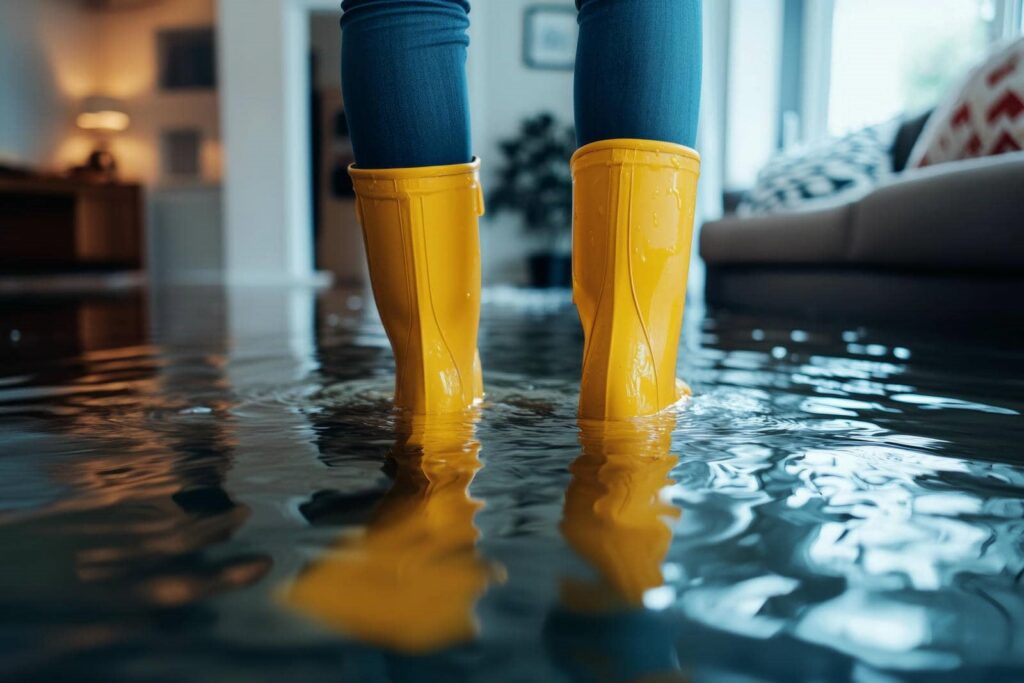
When water enters your property, you need more than surface cleanup. Emergency structural drying removes moisture from framing, drywall, and insulation before it spreads deeper or supports mold growth. You get faster stabilization of building materials, better humidity control, and less risk of long-term repair costs. The key is knowing how the process works, and what happens when drying starts too late.
Key Takeaways
- Emergency structural drying quickly removes moisture, preventing damage from spreading into drywall, framing, insulation, and subfloors.
- It reduces mold risk by limiting the damp conditions that support microbial growth.
- Controlled equipment speeds drying more effectively than air drying, using targeted airflow, humidity control, and dehumidification.
- Fast professional response helps protect structural integrity, reduce secondary damage, and lower repair costs.
- Monitoring and documentation ensure measurable drying progress and a quicker, safer return to normal use.
How Emergency Structural Drying Reduces Damage
Emergency structural drying reduces damage by quickly removing moisture before it can spread into porous materials, weaken building assemblies, or support microbial growth.
You protect drywall, framing, insulation, and subfloors by lowering moisture content before deterioration advances. Technicians use controlled airflow, dehumidification, and temperature management to restore materials to target levels.
This approach supports mold prevention by limiting the conditions microbes need to establish colonies. You also gain cost savings because faster stabilization can reduce material replacement, demolition, and extended labor.
When you act early, you help preserve the structure’s integrity and keep your team aligned around a clear recovery plan. That shared response gives you confidence, minimizes disruption, and keeps the property on a more efficient restoration path.
Why Fast Drying Matters After Flooding
After flooding, fast drying matters because water keeps moving through porous materials, wicking into drywall, insulation, framing, and subfloors where it can cause swelling, delamination, corrosion, and structural weakening.
You need to act quickly because moisture levels rise fast in hidden spaces, and every extra hour can extend your flood recovery. A tight drying timeline helps you stay in control, reduce uncertainty, and avoid avoidable disruption to your home or business.
You’re not just removing visible water; you’re limiting how long materials stay damp in the structure. Fast action also supports consistent indoor conditions, so your space can return to normal sooner.
When you respond early, you protect your timeline, your budget, and your confidence in the recovery process.
How Structural Drying Protects Materials
Structural drying removes trapped moisture, reducing the conditions that accelerate corrosion, swelling, and microbial growth.
You can preserve wood, drywall, insulation, and finishes by controlling humidity, increasing airflow, and applying targeted dehumidification.
This process also helps prevent structural weakening by limiting material distortion and loss of load-bearing capacity.
Moisture Removal Benefits
When moisture lingers in building materials, it can weaken drywall, swell wood, corrode fasteners, and promote microbial growth, so prompt structural drying helps stabilize materials before damage spreads.
You benefit from targeted moisture management because it lowers material saturation and restores normal performance faster. Using proven drying techniques, you can move humid air out, encourage evaporation, and reduce the time water stays trapped in assemblies.
That matters because each extra hour of wetness increases stress on finishes, framing, and subfloors. In a well-managed response, you’re part of a team that measures conditions, tracks progress, and adjusts equipment for efficient removal.
The result is a drier, safer structure with less risk of hidden deterioration and fewer disruptions to your home or business.
Material Preservation Methods
Protecting materials during emergency structural drying means controlling moisture before it changes their shape, strength, or surface condition. You help limit swelling in wood, warping in trim, and spotting on finishes by reducing humidity and directing airflow across wet surfaces.
You can support material recovery by extracting hidden water from carpets, drywall, insulation, and subfloors before staining or adhesion loss develops. These preservation techniques also slow corrosion on metal fasteners and reduce residue on masonry and textiles.
When you dry materials quickly and evenly, you keep assemblies more stable and easier to restore. That approach lets you stay aligned with your team’s goal: protecting usable components, reducing waste, and keeping the restoration process efficient, controlled, and consistent for everyone involved.
Preventing Structural Weakening
Rapid drying helps preserve structural strength by limiting the moisture that weakens wood, gypsum, adhesives, and composite materials. You reduce moisture retention before it migrates into framing, subflooring, and wall assemblies, so you keep structural integrity within safe limits.
When you act quickly, you lower swelling, warping, delamination, and fastener corrosion. That means your building team can stay aligned on a safer, more stable recovery path.
- Dry framing before load-bearing members deform.
- Remove trapped moisture from cavities and seams.
- Protect adhesives from bond failure and creep.
- Limit corrosion that can reduce connector strength.
You’re not just drying surfaces; you’re helping the whole structure stay sound, measurable, and ready for repair.
Why Structural Drying Beats Air Drying
Structural drying beats air drying because it uses controlled equipment and targeted airflow to remove moisture from building materials faster and more completely.
You get consistent results because drying equipment manages temperature, humidity, and air movement instead of relying on room conditions.
With proper air circulation techniques, you can reduce retained moisture in framing, drywall, and subfloors before secondary damage starts.
Air drying leaves too much to chance; it’s slower, less predictable, and often misses hidden moisture.
Structural drying lets you work with a trained team that follows measurable targets, so you know the process is on track.
That means less downtime, better material recovery, and a stronger return to normal.
You’re not guessing—you’re using a system built for precision and peace of mind.
What Happens During Emergency Drying?
During emergency drying, you first remove standing water with extraction equipment to reduce saturation quickly.
You then use moisture detection tools to locate hidden dampness in walls, floors, and framing.
After that, you follow controlled structural drying steps to lower moisture levels and stabilize the building.
Water Extraction Process
Once technicians assess the damage, they begin removing standing water with pumps, truck-mounted extractors, and wet vacuums to stop further absorption into building materials.
You’ll see targeted extraction techniques based on water damage severity, flooring type, and how much moisture’s pooled on the surface. This step matters because fast removal helps protect your structure and keeps your recovery team moving together.
- Pumps clear deep water quickly.
- Extractors pull water from carpet and padding.
- Wet vacuums capture residual surface moisture.
- Crews isolate affected zones to speed work.
You stay informed while technicians work methodically, reducing pressure on materials and limiting added loss.
Efficient water extraction sets up the next drying phase and helps your property return to a stable condition sooner.
Moisture Detection Tools
Technicians use moisture detection tools to find hidden water after visible extraction ends. You get a precise assessment because they compare readings from moisture sensors across walls, floors, and framing.
These detection methods help identify damp areas that look dry but still hold water. You can trust the process because trained crews document baseline conditions, then track elevated readings to map the affected zone.
Thermal imaging, pin meters, and noninvasive scanners each reveal different signs of moisture. That lets your team target the right areas without guesswork.
When you understand this step, you know your property isn’t being treated by feel. It’s being evaluated with data, so you stay informed and connected to the restoration effort from the start.
Structural Drying Steps
First, crews stabilize the structure by removing remaining water, setting containment if needed, and protecting materials that can’t stay saturated.
You’ll see a rapid assessment, then targeted moisture management to map wet zones and set drying goals.
Next, technicians place air movers, dehumidifiers, and, when needed, specialty drying technology to drive evaporation and control humidity.
They monitor temperature, airflow, and material readings to keep the process on track. They also document progress and adjust equipment as conditions change.
- Extract standing water
- Isolate affected areas
- Deploy drying equipment
- Verify dry standards
You’ll stay informed through clear updates, so you know what’s happening and why.
This structured response reduces secondary damage, supports safe reentry, and helps your team return to normal sooner.
When to Call an Emergency Drying Team
Call an emergency drying team as soon as standing water, widespread moisture, or hidden wet materials are present after a leak, flood, or fire suppression event.
You shouldn’t wait for visible damage to worsen; trapped water can migrate into framing, insulation, and subfloors within hours.
If you smell mustiness, see swollen materials, or notice electrical, HVAC, or ceiling concerns, you need immediate help.
A qualified team can assess moisture levels, begin flood response, and deploy drying technology matched to your structure.
Acting fast reduces secondary damage, limits microbial growth, and protects occupants and assets.
When you call early, you join a coordinated recovery process that keeps your property safer, drier, and more stable.
If conditions keep changing, stay in contact and follow the team’s documented plan.
Frequently Asked Questions
How Long Does Emergency Structural Drying Usually Take?
You’re usually looking at 3–5 days, though drying timeframes vary with saturation, materials, and weather. Professionals use drying techniques like dehumidification and air movement to restore structures efficiently, helping you stay confident and included.
What Equipment Is Used During Emergency Structural Drying?
You use air movers, dehumidifiers, moisture meters, thermal cameras, and injectidry systems for water extraction and moisture assessment. These tools help you restore your space quickly, protect your property, and stay informed throughout drying.
Does Insurance Typically Cover Emergency Drying Services?
Usually, yes—like a safety net, your insurance policies often cover emergency drying services after sudden water damage, but coverage limits and exclusions apply. You’ll want to review your policy and confirm details with your adjuster.
Can Emergency Drying Help Prevent Mold Growth?
Yes, emergency drying can help prevent mold growth by removing moisture quickly. You’ll benefit from effective mold prevention through advanced drying techniques that reduce humidity, limit contamination, and protect your structure before spores can colonize.
Is Emergency Structural Drying Safe for Occupied Buildings?
Yes, you can keep occupied buildings safe; most drying projects use targeted containment. You’ll follow strict safety protocols, consider occupancy considerations, and monitor air quality so you feel protected, informed, and included.
Review
Choosing emergency structural drying can save your property from turning a bad water event into a full-scale disaster. You stop moisture fast, protect drywall, insulation, and framing, and slash the risk of mold before it explodes out of control. Unlike passive air drying, professional drying equipment drives controlled airflow and humidity removal for rapid results. When every minute counts, you need a team that can dry, protect, and restore before damage snowballs.