
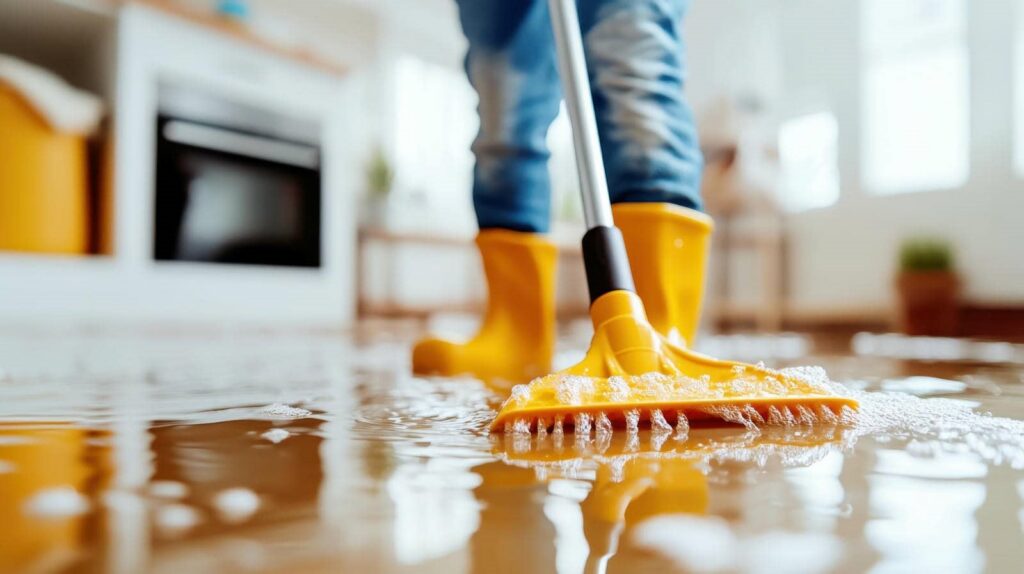
When water decides to intrude, it’s often more than just a minor inconvenience. You need effective strategies for emergency water removal to protect your home and belongings. Swift action can help you avoid costly repairs and the nightmare of mold growth. Knowing the right tools and techniques can make all the difference. So, what steps should you take immediately to manage this urgent situation effectively?
Key Takeaways
- Quick tips for emergency water removal help minimize long-term property damage and reduce repair costs.
- Effective strategies empower homeowners to act swiftly, preventing manageable situations from escalating into costly nightmares.
- Understanding necessary tools ensures efficient water extraction, speeding up the process and protecting belongings.
- Safety precautions are crucial to avoid hazards like electrical shock and mold growth during water removal.
- Knowing when to call professionals ensures proper assessment and handling of severe water damage situations.
Understanding the Importance of Swift Water Removal
When faced with water damage, acting quickly is essential to minimize long-term effects on your property. Delaying water removal can lead to severe flood consequences, including structural damage, mold growth, and compromised air quality.
Each moment counts as water seeps deeper into materials, escalating repair costs and increasing health risks.
Understanding the importance of swift water removal helps you protect not just your belongings, but also your peace of mind. You’ll want to assess the situation immediately, identifying the source and extent of the water damage. By doing so, you can take appropriate action, whether that means calling in professionals or using available resources to remove excess water.
Every second you waste can transform a manageable situation into a costly nightmare. So, prioritize quick action—your property and well-being depend on it.
Essential Tools for Emergency Water Extraction
In an emergency water extraction scenario, having the right tools on hand can make all the difference. You’ll want a reliable water vacuum, as it effectively removes standing water quickly. These vacuums are designed to handle large volumes, making them ideal for flooded areas.
Alongside your water vacuum, consider investing in suction pumps. These pumps provide additional power to extract water from hard-to-reach places, ensuring you leave no standing water behind. They’re particularly useful for basements or tight spaces where a vacuum might struggle.
Don’t forget about essential accessories like hoses and extension cords, which can enhance the efficiency of your tools. Having a solid toolkit not only speeds up the extraction process but also helps prevent further damage to your property.
When you’re prepared with the right equipment, you’ll feel empowered to tackle any water emergency with confidence.
Safety Precautions to Consider During Water Removal
Having the right tools for water extraction isn’t enough; safety must be a top priority during the removal process. Before you start, equip yourself with protective gear, including gloves, masks, and waterproof boots. This gear will safeguard you against contaminants and minimize health risks.
Watch out for electrical hazards, especially if water has seeped into areas with electrical outlets or appliances. Always turn off the power supply before you begin any work. If you’re unsure, don’t hesitate to call a professional electrician for assistance.
Ensure your workspace is well-ventilated to reduce the risk of mold growth and maintain air quality.
If you encounter standing water, use a pump instead of trying to remove it by hand, as this can lead to injury. Prioritizing these safety precautions will help you tackle the water removal process efficiently and protect your well-being.
Steps to Take Immediately After Water Infiltration
As soon as water infiltration occurs, it’s crucial to act quickly to minimize damage and prevent further complications. First, shut off the water source if possible. This immediate response stops additional water from entering your space.
Next, remove any valuables and furniture from the affected area to protect them from severe water damage.
Once you’ve secured your possessions, use towels or a wet vacuum to begin soaking up excess water. Open windows and doors to promote airflow, which helps with drying and reduces humidity levels. If you have fans or dehumidifiers, set them up to expedite the drying process.
Lastly, document the damage with photos for insurance purposes.
When to Call Professionals for Water Damage Restoration
While you can take immediate steps to manage minor water damage, knowing when to call in professionals is important for more extensive issues. If you notice significant flooding, persistent dampness, or structural damage, it’s time to reach out.
Professionals conduct a thorough water damage assessment, identifying hidden moisture that can lead to mold and further deterioration.
Additionally, if you’re uncertain about the source of the water or if it’s contaminated, expert intervention is essential. They can guarantee safe removal and proper sanitation.
A swift response is critical, as delays can extend your restoration timeline and increase costs. By engaging professionals, you not only expedite the recovery process but also gain peace of mind knowing the job is being handled correctly.
Frequently Asked Questions
How Can I Prevent Future Water Damage in My Home?
To prevent future water damage, implement water proofing techniques like sealing cracks and installing drainage solutions. Regularly inspect gutters and downspouts, ensuring water flows away from your home to safeguard your living space effectively.
What Insurance Coverage Is Available for Water Damage?
Think of homeowner policies as your safety net, catching falls before they hit hard. You’ve got options like flood insurance, which covers damages water damage might cause, ensuring you’re protected when storms roll in unexpectedly.
Can Water Damage Affect My Home’s Resale Value?
Yes, water damage can greatly impact your home’s resale value. Buyers often perceive properties with past water issues as risky, leading to lower offers and resale implications that can diminish your investment’s worth in the market.
What Are the Signs of Mold Growth After Water Exposure?
You’ll notice mold growth if you see dark spots, a musty smell, or increased humidity. Mold identification is essential, as it poses health risks. Don’t let your home’s comfort become a breeding ground for hidden dangers.
How Long Does It Take for Water Damage to Occur?
Water damage can start within minutes due to water absorption. Typically, you’ll see significant damage within 24 to 48 hours. The damage timeline can escalate quickly, making prompt action essential to prevent further issues.
To Sum Up
In an emergency, think of water removal like putting out a fire every second counts. Just as a small flame can become an uncontrollable blaze, even a few inches of standing water can lead to extensive damage. By being prepared with the right tools, knowledge, and swift action, you can save your property and peace of mind. Don’t wait; act quickly to minimize potential losses. Remember, the sooner you respond, the better your chances of a successful recovery.