
TL;DR: When a flood remediation job gets rushed or skipped steps, mold can grow even after the invoice is paid. A proper redo means full moisture mapping, structural drying to the IICRC S500 standard, and documentation that confirms the space is actually dry before the job is called finished, not just dried on paper.
If you already paid one company to dry out your flooded basement and you’re now finding mold anyway, you’re not imagining it and you’re not out of options. It happens more than homeowners expect: a crew pulls equipment too early, misses a wet wall cavity, or never checks that drying actually reached target levels. Here’s what one Michigan homeowner went through, in her own words, and what a correct redo looks like.
This company gets no less than 150% A+ rating. This was a 2nd flood remediation because the first [company] failed us. They took our money and left mold in the basement. Will Clark and his two helpers Will and Joe were on time every day, were extremely professional and truly cared about us and their jobs! DON’T hesitate calling them!! , Donna, verified Google review
What Happens When a Flood Remediation Job Gets Rushed?
Mold can start growing on wet materials in as little as 24 to 48 hours, according to the EPA, so a basement that looks dry on day three can already have a problem by day five if drying wasn’t thorough.
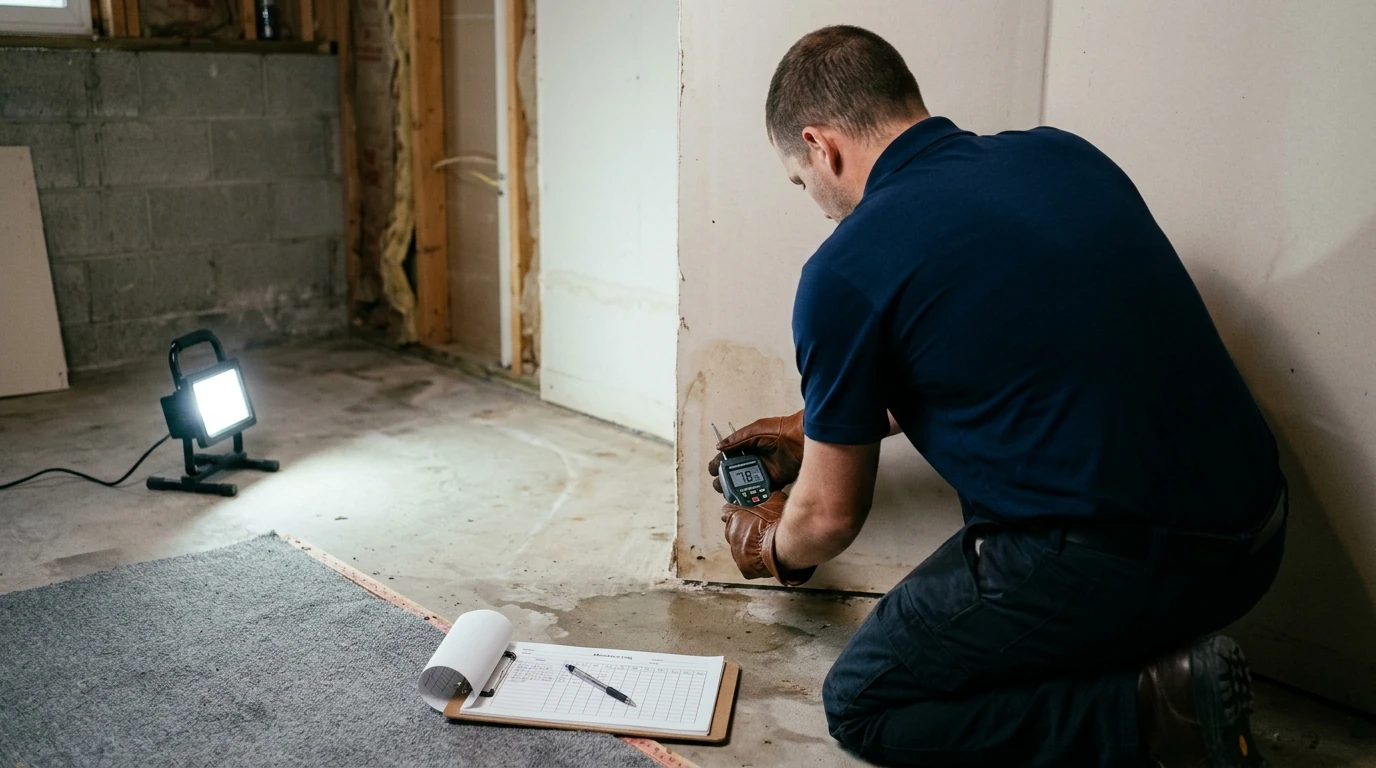
The most common shortcut is pulling air movers and dehumidifiers before the building materials actually hit dry standard, not just before the floor looks dry. Carpet pad, drywall, and framing can hold moisture well after the surface feels fine to the touch. A crew working on a schedule instead of a reading can sign off on a basement that’s still wet inside the walls.
The other shortcut is skipping demolition where it was actually needed. Porous materials that soaked in contaminated water often need to come out rather than be dried in place. If a company dries around a problem instead of removing it, the homeowner finds out weeks later, usually as a smell or a stain.
How Do You Verify a Basement Is Actually Dry and Mold-Free?
You verify it with moisture readings and, when there’s a history of mold, independent testing, not by eye or by smell. A thermo-hygrometer and penetrating moisture meter should show numbers at or near the dry standard for the material, logged daily until the job closes.
For a basement with a known mold history, like Donna’s, that verification goes a step further. An environmental consultant can collect air or surface samples and send them to a third-party lab, so the homeowner gets a written result instead of someone’s opinion. That kind of post-remediation verification is exactly why Flood and Fire Solutions keeps environmental consulting as part of how a flood job gets closed out, not as an upsell.
If you’re unsure what hidden moisture or regrowth looks like in your own basement, this breakdown of how quickly mold grows after water damage walks through the timeline and warning signs.
What Does “On Time Every Day” Actually Mean on a Multi-Day Drying Job?
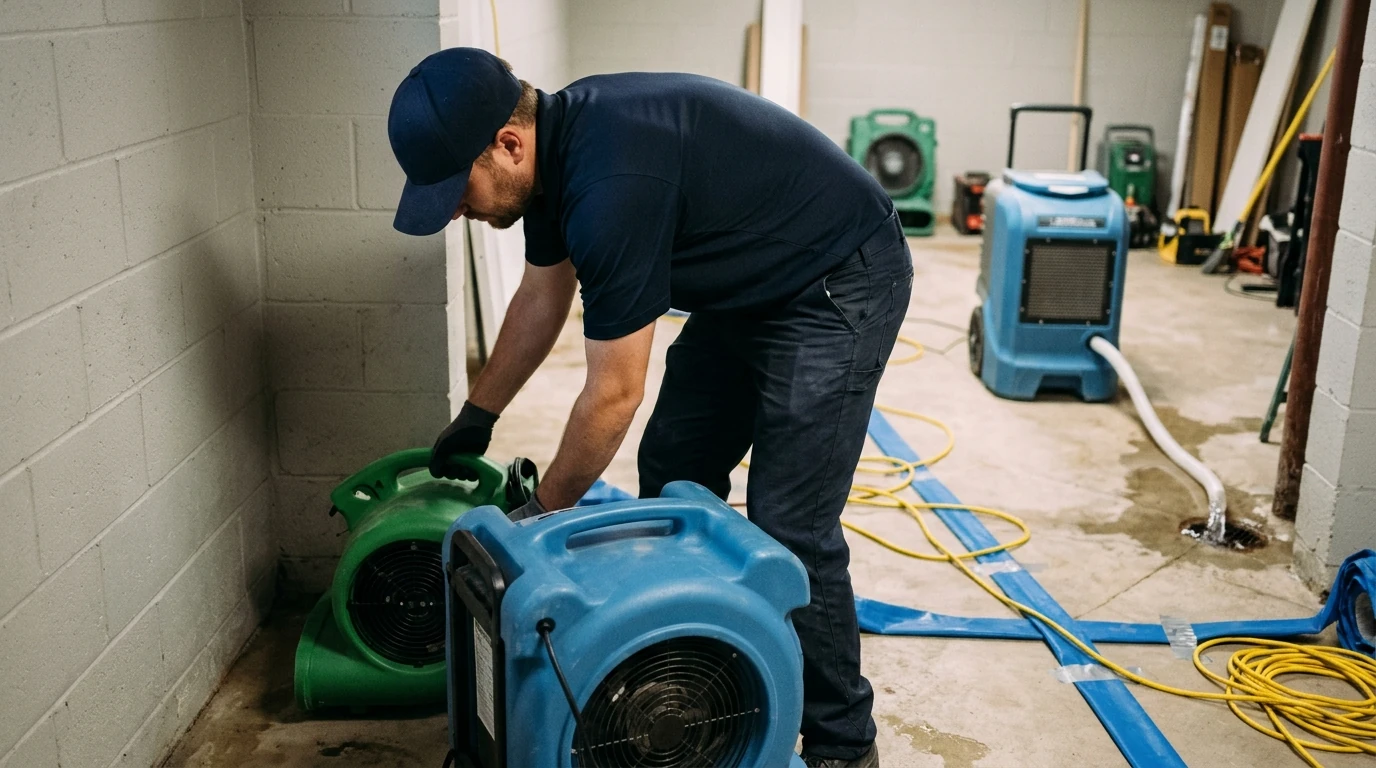
It means the same crew shows up on the same schedule until the equipment readings say the job is done, not until the invoice is paid. Drying a flooded basement is rarely a one-visit job. It typically runs several days, with daily moisture checks, equipment repositioning, and adjustments based on what the readings show.
When a homeowner notices the crew’s consistency, like Donna did with Will Clark and his two helpers, that’s usually a sign the company is tracking the drying process properly instead of treating it as a single appointment. Reliable daily visits also mean someone is actually watching the numbers change, not assuming the equipment is handling it on its own.
What Should You Do If Your First Restoration Company Failed You?
Get a second opinion and documentation before you pay anyone else. A reputable company will do a fresh moisture assessment, tell you honestly what the first crew missed, and give you a written scope before starting any new work.
Keep whatever paperwork the first company gave you. It may matter for a dispute or for your insurer, since most homeowners policies expect prompt, proper mitigation to protect the claim. If mold is already visible, don’t disturb it further; have it assessed before any further drying or cleanup begins.
If you’re dealing with a flooded Macomb-area basement right now, this guide to the first hours after a flooded basement covers what to do before a crew even arrives.
A flood remediation job isn’t finished when the floor is dry to the touch. It’s finished when moisture readings confirm the structure is dry and, where there’s a mold history, when testing confirms the air and surfaces are clean. Request a water damage assessment from Flood and Fire Solutions if a previous job left you with lingering moisture, odor, or visible mold.
About Flood and Fire Solutions
Flood and Fire Solutions has served Macomb, Michigan and the surrounding communities, including Sterling Heights, Warren, Clinton Township, and Troy, since 1996. The company is licensed and insured, answers calls 24/7, and holds a 4.4-star Google rating across 36 reviews. Their crews handle water damage restoration, sewage cleanup, fire damage restoration, emergency board-up and water removal, and environmental consulting across Macomb County.
Need help now? Call Flood and Fire Solutions at (586) 580-0197.
Video Transcript
If your basement was already dried once by another company and mold showed up anyway, you’re not alone, and you’re not out of options. Rushed flood jobs skip steps. Equipment gets pulled before materials actually reach dry standard, leaving moisture trapped behind walls. Mold can start growing in just 24 to 48 hours, so a basement that looked dry on day three can hide trouble by day five. A real fix starts with moisture mapping: checking drywall, framing, and carpet pad, not just how the floor feels. Drying should follow the IICRC S500 standard, with daily readings logged on schedule every day until every material hits dry targets. When there’s a known mold history, testing matters even more. Air and surface samples go to an independent lab for written results, not guesses. One Michigan homeowner learned this the hard way. Her first company took her money and left mold behind. A proper redo means the same crew shows up on schedule every day, tracking moisture numbers until the job is truly finished. If your first contractor failed you, get a second opinion, keep your paperwork, and ask for documentation before new work begins. Call Flood and Fire Solutions at (586) 580-0197 to schedule an assessment.