
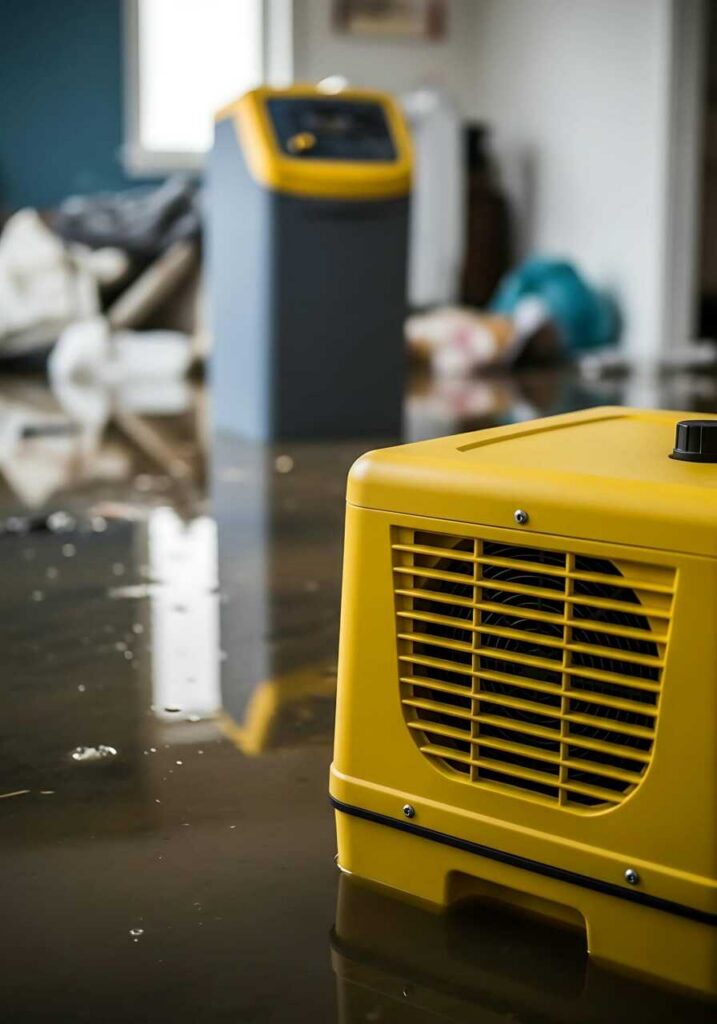
When water suddenly floods your property, every minute can feel like an emergency. Emergency water extraction service is the rapid removal of standing water from your home or business using pumps, vacuums, and moisture control methods. You call it to limit structural damage, reduce mold risk, and stabilize conditions fast. What happens next often determines whether you face a simple cleanup or a major restoration.
Key Takeaways
- Emergency water extraction service rapidly removes standing water to protect a property from further damage.
- It helps stop mold growth, reduce structural deterioration, and improve recovery outcomes.
- Common signs include visible pooling, active leaks, damp surfaces, and electrical safety concerns.
- Technicians use pumps, vacuums, moisture meters, air movers, and dehumidifiers to extract and dry affected areas.
- After extraction, they verify dryness, document damage, sanitize surfaces, and monitor progress until moisture levels normalize.
What Is Emergency Water Extraction Service?
Emergency water extraction service is the rapid removal of standing water from a property after flooding, burst pipes, sewage backups, or other water-related emergencies.
You get a focused response that protects materials, limits water damage, and stabilizes the environment for the restoration process. Technicians use pumps, vacuums, and moisture meters to remove water and verify affected areas.
You’ll also see containment steps that help prevent spread to adjacent rooms and reduce secondary issues such as swelling, staining, and microbial growth.
This service gives you a clear path back to normal conditions, with trained professionals guiding each phase.
When you need reliable support, you’re not alone; the service helps your space, your routine, and your peace of mind recover efficiently.
When to Call for Emergency Water Extraction
You should call for emergency water extraction as soon as you see visible water intrusion, since standing water can spread quickly into flooring, walls, and insulation.
If you notice rapid mold growth, you need immediate intervention because moisture can create unsafe indoor conditions within hours.
You should also treat electrical safety risks as urgent, since water near outlets, wiring, or appliances can create a serious shock hazard.
Visible Water Intrusion
When visible water intrusion appears, prompt action matters because even a small amount of standing or leaking water can spread quickly into drywall, subflooring, insulation, and structural materials.
You should call for emergency water extraction as soon as you notice pooling, active leaks, stained surfaces, or damp baseboards. A trained team can perform water source identification to stop the entry point and complete a moisture assessment to determine the affected area.
This process helps you protect finishes, limit structural deterioration, and coordinate a targeted response that fits your situation.
When you act early, you’re not handling the damage alone; you’re working with specialists who understand how to stabilize the space efficiently and restore safe conditions with precision.
Rapid Mold Growth
Because mold can begin developing within 24 to 48 hours after water exposure, rapid growth is a clear sign you need emergency water extraction right away. You need fast action to protect your space and support mold prevention.
- You notice musty odors intensifying.
- You see discoloration spreading on walls or flooring.
- You find soft, damp materials staying wet.
- You detect high humidity despite cleanup.
Emergency extraction removes standing water, reduces surface moisture, and limits colonization. If you wait, spores can spread through porous materials and raise remediation costs.
Prompt moisture control also helps you keep your home healthier and more stable. When you act quickly, you join others who prioritize containment, cleanup, and long-term protection.
Electrical Safety Risks
Electrical hazards make water intrusion an immediate emergency, especially if water reaches outlets, wiring, appliances, or the electrical panel. You shouldn’t enter standing water until a qualified technician confirms the area is de-energized.
Moisture can create shock, arcing, and fire risks, and hidden saturation may spread behind walls or under flooring. When you notice these conditions, call for emergency water extraction right away so your home’s systems can be assessed and stabilized.
Trained crews use safety measures such as power isolation, moisture mapping, and controlled removal to reduce electrical hazards and protect occupants. Acting quickly helps you stay safe, limit damage, and restore your space with confidence.
If you’re unsure, treat every wet circuit as energized and wait for professional clearance.
How Emergency Water Extraction Works
Emergency water extraction begins with a rapid assessment of the affected area so technicians can identify the water source, determine the extent of saturation, and locate any immediate hazards.
You stay informed as the team maps priority zones and begins targeted flood response to limit spread. The process typically includes:
- isolating affected rooms
- removing standing water
- reducing moisture in porous materials
- verifying progress with follow-up checks
This method supports efficient water recovery by lowering secondary damage and helping you regain safe use of the space faster.
Technicians work methodically, so you’re not left guessing about next steps. Clear communication, measured action, and continuous monitoring keep the project controlled, professional, and aligned with your restoration needs.
Tools Used in Water Extraction
Specialized equipment drives efficient water extraction, and technicians choose each tool based on the type of water intrusion, material saturation, and access constraints.
You’ll typically see submersible pumps and truck-mounted units used for rapid removal, with pumping techniques matched to standing water depth and flow rate.
For tighter spaces, portable extractors and weighted wands help pull moisture from carpet, padding, and hard surfaces without unnecessary disruption.
Moisture meters guide decisions, while air movers and dehumidifying drying equipment support controlled moisture control.
Crews also use hoses, squeegees, and crevice tools to reach edges and confined areas.
When you’re part of a response team, you benefit from coordinated tool selection that speeds extraction, limits spread, and keeps the process organized, precise, and dependable from start to finish.
What Happens After Water Extraction
Once the standing water is removed, technicians shift to moisture verification, drying, and damage assessment. You’ll see your team map affected areas, document water damage, and begin the restoration process with controlled airflow and dehumidification. This keeps your space on track and helps you stay informed.
- Measure wall, floor, and subfloor moisture
- Remove wet materials that can’t be saved
- Sanitize exposed surfaces to limit contamination
- Track drying progress until readings normalize
You’ll get clear updates, so you know what’s happening and why each step matters. The goal is to stabilize your property, reduce secondary damage, and prepare the structure for repairs.
With a structured process, you’re not facing this alone; you’re working with professionals who know how to move your home or business toward recovery.
Signs of Hidden Water Damage
Even after visible water is removed, hidden damage can remain in wall cavities, under flooring, and inside insulation, where it continues to spread moisture and weaken materials.
You may notice soft drywall, warped trim, bubbling paint, or flooring that feels uneven underfoot. Musty odors often point to hidden leaks behind surfaces.
You can also watch for persistent dampness, discoloration, or cold spots that don’t dry normally. When these signs appear, moisture detection tools help identify trapped water before it causes broader structural loss.
Don’t ignore small changes; they often signal a concealed problem that your team can verify with targeted inspection.
How Water Extraction Stops Mold
When hidden moisture lingers in walls, flooring, or insulation, mold can start developing quickly in those damp pockets. You stop that process by removing water fast and restoring dry conditions.
Emergency extraction lowers humidity, limits spore activity, and supports mold prevention through precise moisture control. You also reduce the chance that trapped water spreads into adjacent materials.
- Extract standing water before it penetrates deeper
- Dry porous materials with targeted airflow
- Monitor humidity to verify safe levels
- Clean affected surfaces to remove residue
When you act quickly, you protect your space, your comfort, and the people who belong there. Fast extraction doesn’t just address visible water; it interrupts the environment mold needs to grow.
How to Choose a Water Extraction Team
Choosing the right water extraction team starts with verifying that they respond quickly, use professional-grade equipment, and document moisture conditions before and after service.
You should confirm team qualifications, including IICRC training, insurance, and experience with structural drying, so you know your property’s in capable hands.
Ask whether they use moisture meters, thermal imaging, and extraction pumps sized for your loss.
Review service reviews for consistency in response time, communication, and cleanup quality.
You’ll want a crew that explains the drying plan, sets clear expectations, and updates you throughout the job.
A dependable team protects your home and helps you feel supported during a stressful event.
Choose professionals who measure results, not just speed, because that’s how you join a trusted recovery process.
Frequently Asked Questions
How Much Does Emergency Water Extraction Usually Cost?
You’ll usually pay $500–$3,000, depending on cost factors like water volume, damage extent, and response time. Service providers may charge more for night calls or heavy extraction, but you can compare estimates confidently.
Is Emergency Water Extraction Covered by Homeowners Insurance?
Yes, you’re often covered, but your insurance policies may exclude flood or gradual leaks; coverage limitations vary. You should review your policy, document damage quickly, and contact your insurer to confirm eligibility and claim requirements.
Can I Stay in My Home During Water Extraction?
You can stay home during water extraction if you’ve got safe access and the crew keeps affected areas isolated. They’ll assess water safety, explain extraction procedures, and tell you when relocation’s the wiser choice.
How Long Does Emergency Water Extraction Take?
You’ll usually see emergency water extraction take 1–4 hours, depending on damage, water volume, and access. Technicians use extraction equipment and water removal techniques to speed drying, protect your home, and help you feel secure.
Does Emergency Water Extraction Remove Sewage Contamination?
Yes, emergency water extraction can remove sewage contamination, but you’ll need specialized sewage cleanup afterward. Think of it as clearing floodwater’s shadow; you’ll still face contamination risks until technicians disinfect, sanitize, and verify safety.
Conclusion
In a water emergency, you need fast extraction to limit damage and restore safety. Water can begin seeping into materials within 24 hours, so every minute counts. By acting quickly, you reduce structural deterioration, protect indoor air quality, and lower mold risk. A qualified team uses specialized pumps and vacuums to remove standing water and stabilize the property. When you choose prompt service, you’re taking the most effective first step toward full recovery.