
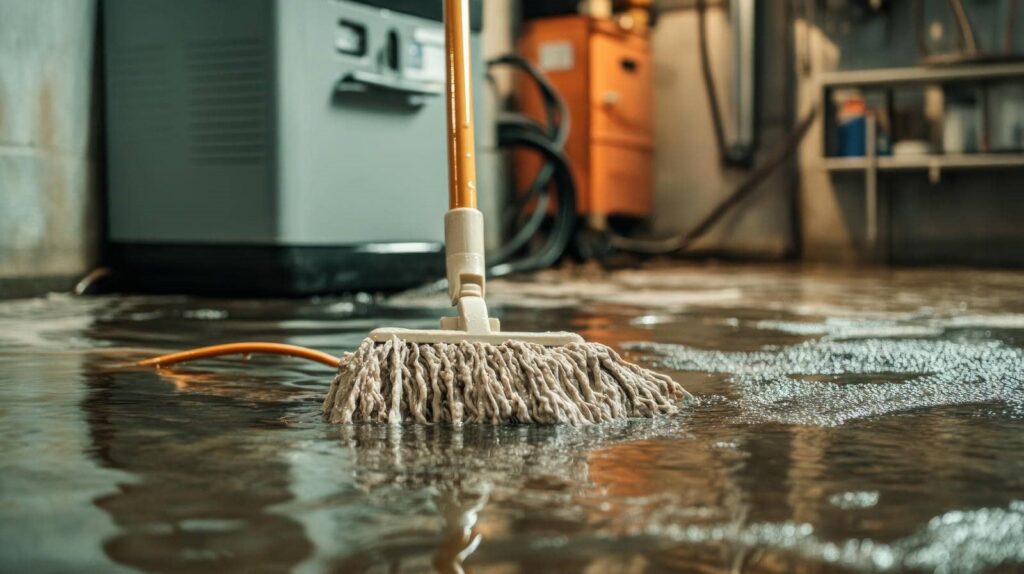
When it comes to ensuring peace of mind during unexpected water-related incidents, it’s wise to contemplate your water removal insurance options carefully. Homeowners often overlook the nuances of policies that cover emergency water removal. By examining various types of coverage, you can better protect your property from costly damages. Understanding the differences could save you from potential financial strain later. What specific options should you prioritize to safeguard your home effectively?
Key Takeaways
- Standard homeowners insurance typically covers sudden leaks and burst pipes, providing essential emergency water removal coverage.
- Renters insurance can protect personal belongings from water damage, but may require supplemental policies for extensive coverage.
- Flood insurance is crucial for properties in flood-prone areas, as standard homeowners policies usually exclude flood damage.
- Supplemental water damage insurance enhances renters or homeowners policies by covering gaps and increasing policy limits for emergencies.
- Consulting with an insurance professional ensures comprehensive understanding of coverage options and necessary endorsements for emergency water removal.
Homeowners Insurance Policies
When you consider homeowners insurance policies, it’s vital to understand their varying coverage options, especially regarding emergency water removal. Many standard policies provide some level of protection against water damage caused by sudden leaks or burst pipes, but this can differ considerably among providers.
When making policy comparisons, look closely at the specifics of water removal coverage, as some plans might limit reimbursement for damages or exclude certain scenarios altogether.
Effective home maintenance plays an essential role in minimizing water-related risks, and understanding your insurance policy can enhance your preparedness.
Be aware that additional endorsements or riders may be necessary for extensive coverage. Evaluate not just the premium costs but also the deductible and claim process.
Flood Insurance Options
Homeowners insurance often falls short in protecting against flood damage, making flood insurance a vital consideration for property owners in flood-prone areas.
Understanding your flood risk is essential; it helps you determine the level of coverage you need. Flood insurance typically comes through the National Flood Insurance Program (NFIP), offering coverage for both building and personal property.
When evaluating flood insurance options, pay attention to the coverage limits. The NFIP generally caps building coverage at $250,000 and personal property coverage at $100,000.
These limits mightn’t fully protect your assets, especially if you own high-value items or live in a severe flood zone.
Consider supplemental policies or private insurers if your flood risk is high. Investing in adequate flood insurance can provide peace of mind, ensuring you’re financially prepared for unexpected water damage.
Renters Insurance Coverage
Renters insurance plays an important role in protecting your personal belongings and providing liability coverage while you lease a property. With renter’s protection, you can safeguard your items against risks such as theft, fire, or water damage.
It’s vital to understand the policy limits associated with your coverage, as these can vary greatly between providers. When selecting a renters insurance policy, evaluate your belongings’ total value to guarantee you’re adequately covered within the policy limits. If your possessions exceed these limits, you may want to think about additional coverage options.
In the event of a water-related emergency, your renters insurance can help cover repairs to your belongings, but it’s important to check the specifics of your policy. Many policies don’t cover flood damage, so understanding your coverage makes sure that you’re prepared for unexpected losses.
Ultimately, having the right renters insurance can provide peace of mind during your lease.
Supplemental Water Damage Insurance
While renters insurance can provide some coverage for water-related incidents, it often falls short in cases of significant water damage, such as flooding. To enhance your protection, consider investing in supplemental water damage insurance. This type of coverage can fill gaps left by standard policies, ensuring you’re better prepared for extensive water-related losses.
Supplemental coverage is designed to complement your existing insurance, addressing higher policy limits that typical renters insurance mightn’t meet. For instance, if a major storm causes flooding, your primary policy may only cover a fraction of the damage. Supplemental insurance can bridge that financial gap, offering peace of mind and financial stability.
Before committing, carefully review the terms of supplemental policies to understand coverage specifics and any exclusions.
Commercial Property Insurance Plans
Commercial property insurance plans are vital for businesses looking to protect their physical assets from various risks, including water damage. Understanding the different commercial coverage types is important for selecting the right policy. You’ll find options like building coverage, business personal property coverage, and equipment breakdown coverage, each tailored to specific needs.
However, it’s important to be aware of potential policy exclusions. For instance, certain natural disasters or gradual water damage may not be covered under standard plans. This means you might need to take into account additional endorsements or supplemental policies to guarantee thorough protection.
Evaluating your business’s unique risks will help you choose the right plan. Consulting with an insurance professional can also clarify which coverage types best fit your needs and what exclusions to watch out for.
This proactive approach not only safeguards your assets but also fosters a sense of security within your business community.
Frequently Asked Questions
How Quickly Can I File a Claim for Water Damage?
You can typically file a claim for water damage immediately after the incident. The claims process varies, but most insurers recommend doing so within 24 to 48 hours to guarantee a smooth filing timeline.
Does Temporary Relocation Coverage Exist Under Water Damage Insurance?
Yes, temporary housing coverage often exists under water damage insurance. It typically provides relocation assistance, ensuring you have a place to stay while your home is being repaired. Check your policy for specifics and limits.
Are There Waiting Periods for Flood Insurance Coverage?
Yes, flood insurance often has waiting periods, typically 30 days before coverage begins. It’s crucial to understand these waiting periods and your coverage limits to guarantee you’re adequately protected when unexpected flooding occurs.
Can I Bundle Water Damage Coverage With My Current Policy?
You can often bundle water damage coverage with your current policy, releasing potential policy discounts that make your insurance experience feel like a secret club. Check with your provider to explore your options and savings!
What Exclusions Should I Watch for in Water Damage Insurance?
When reviewing water damage insurance, you should watch for policy limitations like exclusions for gradual leaks, flood damage, or lack of maintenance. Understanding these water damage exclusions helps you avoid surprises during a claim.
To Sum Up
Choosing the right emergency water removal insurance options is essential for safeguarding your property. A staggering 14,000 people experience a water damage emergency in the U.S. every day, highlighting the need for thorough coverage. Whether you’re a homeowner, renter, or business owner, understanding your options from standard policies to supplemental coverage ensures you’re adequately protected. Consulting an insurance professional can further refine your choices, ensuring you select a policy that aligns perfectly with your unique needs.