
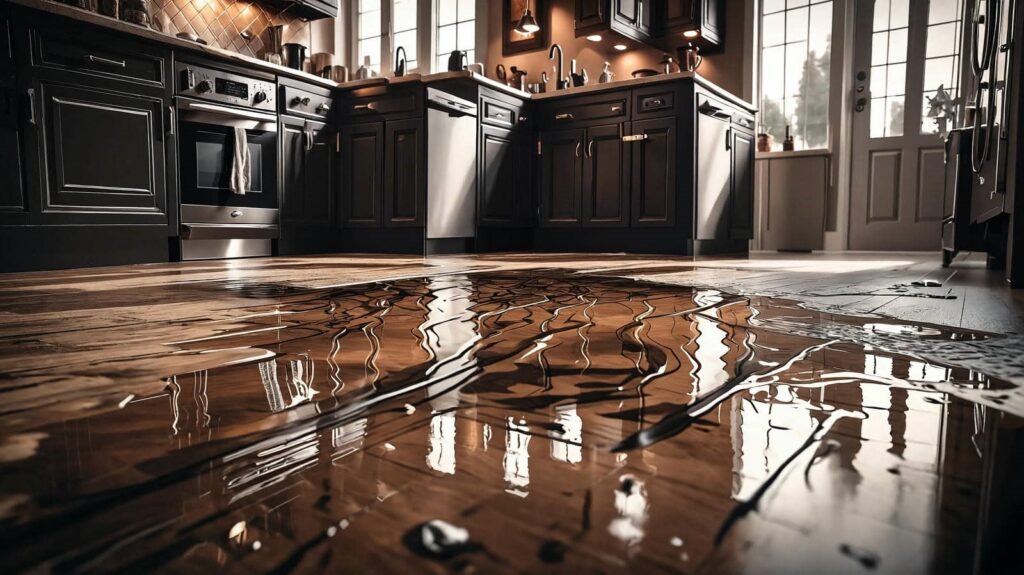
Water damage can be a bit of an unwelcome guest in your home, but there are simple ways to keep it at bay. By taking proactive steps, you can protect your property from costly repairs and stress. From routine plumbing checks to smart drainage solutions, these strategies can save you a lot of trouble. Want to discover the best approaches to safeguard your home? Let’s explore the top tips you should consider.
Key Takeaways
- Schedule regular plumbing inspections to catch leaks early and maintain system health.
- Ensure proper yard grading and drainage to direct water away from your home’s foundation.
- Install water detection devices and alarms in high-risk areas for real-time leak alerts.
- Regularly check and clear gutters and downspouts to prevent water accumulation and flooding.
- Consider professional leak detection services for advanced and hidden leak identification.
Regularly Inspect and Maintain Plumbing Systems
Since plumbing issues can escalate quickly and lead to significant water damage, it’s essential to regularly inspect and maintain your plumbing systems.
Start by scheduling routine pipe inspections to catch potential problems before they worsen. You can often detect leaks early with simple visual checks around sinks, toilets, and basements. Look for signs like water stains or damp spots, which indicate a hidden leak.
Investing in professional leak detection services can offer peace of mind. These experts use advanced technology to identify leaks that may not be visible to the naked eye.
Ensure Proper Drainage and Grading Around Your Home
To prevent water damage, it’s crucial to guarantee proper drainage and grading around your home. Start by evaluating the slope of your yard; it should direct water away from your foundation.
If your yard is flat or slopes inward, consider applying grading techniques to create a slope that encourages water runoff.
Additionally, incorporate effective drainage solutions like French drains or swales to manage excess rainfall. These systems can help channel water away from your home, minimizing the risk of flooding or water accumulation.
Regularly check and clear your gutters and downspouts to ascertain they’re functioning effectively, directing water safely away from your property’s base.
Install Water Detection Devices and Alarms
Installing water detection devices and alarms can greatly enhance your home’s protection against water damage. By incorporating water sensors and leak alarms, you’re taking a proactive step to safeguard your living space.
These devices can quickly alert you to leaks or excess moisture, allowing you to address the issue before it escalates into a costly problem.
Place water sensors in high-risk areas like basements, near washing machines, and under sinks. Many modern systems can connect to your smartphone, sending real-time notifications so you can respond promptly, even when you’re away.
Investing in these alarms not only protects your home but also gives you peace of mind, knowing you’re part of a community that values safety and maintenance.
Don’t wait for a disaster to strike; equip your home with these essential tools and enjoy a greater sense of security.
Frequently Asked Questions
What Are Common Signs of Water Damage in a Home?
You’ll notice common signs of water damage like water stains on ceilings or walls and musty odors lingering in the air. These indicators often signal leaks or moisture issues that need your immediate attention.
How Often Should I Check My Roof for Leaks?
You should check your roof for leaks at least twice a year. Regular roof maintenance and leak detection help prevent costly damage. Keep an eye out after storms, too, as they can reveal hidden issues.
Can Indoor Plants Cause Water Damage?
Yes, indoor plants can cause water damage if you neglect plant maintenance. Stick to a consistent watering schedule; overwatering can lead to leaks and mold. Keep an eye on drainage to protect your home.
What Insurance Covers Water Damage Incidents?
Your homeowners or renters insurance policies usually cover water damage from sudden incidents, like burst pipes. However, damage from flooding often requires separate flood insurance, so it’s important to review your policy carefully for specific coverage details.
How Do I Find a Reliable Plumber for Repairs?
To find a reliable plumber, ask friends for recommendations and check online reviews. Look for those offering emergency services, ensuring you’ll have help when you need it most. Trust your instincts and choose someone you feel comfortable with.
Final Thoughts
By embracing these three essential tips, you’re not just protecting your home; you’re building a fortress against the silent threat of water damage. Regular plumbing inspections, proper drainage, and water detection devices serve as your vigilant sentinels, guarding your sanctuary from unexpected deluges. With a little foresight and proactive measures, you can keep your living space dry and serene, ensuring it remains a haven for years to come. Don’t wait for the storm act now to safeguard your home.