
When water intrudes into your basement, acting quickly is vital to minimize damage. You need to assess the basement water situation while prioritizing safety. Once you’ve confirmed it’s safe, using the right equipment can greatly improve your extraction efforts. Afterward, implementing effective drying techniques will help prevent mold growth. Let’s explore these essential steps to effectively tackle basement water issues and protect your home.
Key Takeaways
- Identify and address potential water sources while ensuring safety by wearing gloves, boots, and a mask.
- Use a sump pump for substantial water removal and a wet vacuum for smaller amounts.
- Position the sump pump in the lowest area of the basement for optimal efficiency.
- Enhance drying by using dehumidifiers and fans to improve air circulation and reduce humidity.
- Regularly inspect and maintain plumbing and drainage systems to prevent future water intrusion.
Assess the Situation and Safety Precautions
Before you start any water extraction process, it’s essential to assess the situation and prioritize safety.
Begin by identifying potential water sources, such as leaks or flooding, to understand the extent of the problem. Verify you’re wearing the appropriate safety gear, including gloves, boots, and a mask, to protect yourself from contaminants in the water.
Check for electrical hazards; avoid standing water near outlets or appliances. If you suspect structural damage, don’t hesitate to call in a professional before proceeding.
Once you’ve assessed the risks, make certain you have a clear plan in place. This facilitates a more efficient extraction process and reinforces a sense of security among those involved.
Use the Right Equipment for Efficient Extraction
Choosing the right equipment is essential for efficient water extraction in your basement. Using a sump pump can greatly speed up the process, especially if you’re dealing with a substantial amount of water. These pumps are designed to remove water from below ground level quickly and effectively. They work best when positioned in the lowest part of your basement, where water tends to accumulate.
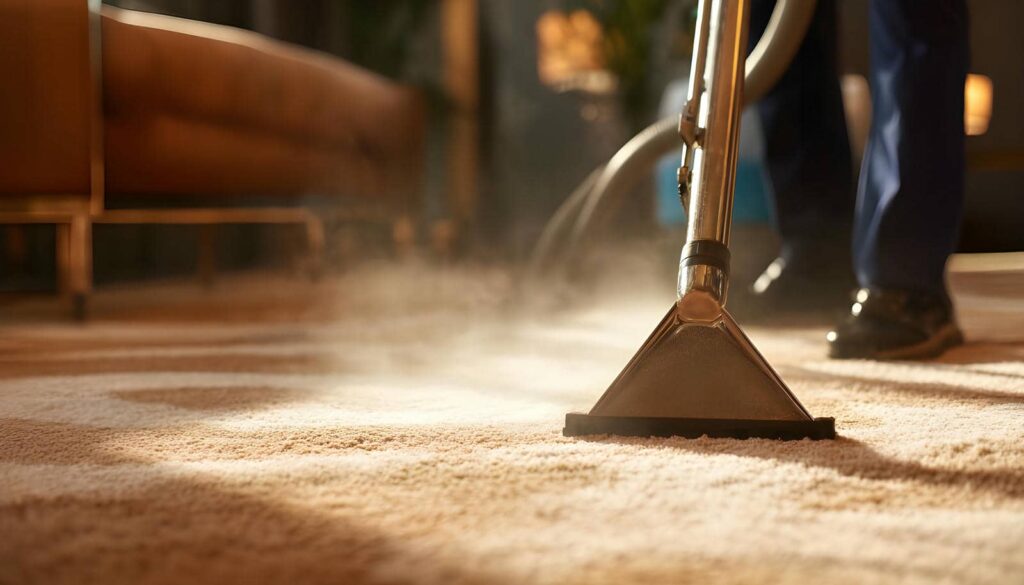
In addition to sump pumps, a wet vacuum is a valuable tool for tackling smaller amounts of water or moisture left behind after pumping. Wet vacuums excel at extracting water from carpets and hard-to-reach areas, helping keep your basement dry and clean.
Before you start, verify your equipment is in good working order, and always follow safety precautions.
With the right tools at your disposal, you’ll be well-equipped to handle any water intrusion in your basement, keeping your home safe and comfortable.
Implement Effective Drying Techniques After Extraction
Once you’ve completed the water extraction process, it’s crucial to implement effective drying techniques to prevent mold growth and structural damage.
Start by strategically placing dehumidifiers throughout the basement. Position them near the water-damaged areas for maximum efficiency, and make sure they’re set to run continuously until humidity levels drop below 60%.
Next, employ ventilation strategies to enhance air circulation. Open windows and doors if the weather permits, and use fans to direct airflow across damp surfaces. This combination of dehumidification and ventilation accelerates the drying process.
Check for hidden pockets of moisture behind walls or under floors, as these can harbor mold. Utilize moisture meters to monitor progress and ensure thorough drying occurs.
Frequently Asked Questions
How Can I Prevent Future Basement Flooding?
To prevent future basement flooding, install effective drainage solutions and a reliable sump pump. Regularly maintain these systems, ensuring they function properly, and check for any blockages that could lead to water accumulation in your basement.
What Should I Do if I Find Mold?
If you find mold, grab your safety gear and act fast. Remove contaminated materials, clean surfaces with mold removal solutions, and ventilate the area. Ignoring it poses serious health risks, so don’t delay!
Is Pumping Out Water Fast Safe?
Pumping out water fast can be safe if you use proper pumping techniques. Monitor water levels closely to prevent structural damage. Gradually reduce water levels to minimize pressure changes, ensuring a safer extraction process for your basement.
How Long Does It Take to Dry a Basement?
Basements can take 24 to 48 hours to dry, depending on drying methods and moisture control. Using fans and dehumidifiers speeds up the process, ensuring you create a safe, dry environment for your home.
When Should I Call a Professional for Help?
You should call a professional when you notice signs of damage, like mold growth, persistent dampness, or structural issues. Don’t wait too long; early intervention can save you from costly repairs and health hazards.
Summary
Quick and efficient basement water extraction can save you from costly damage. By evaluating the situation, using the right equipment like sump pumps and wet vacuums, and implementing effective drying techniques with dehumidifiers and fans, you can greatly reduce the risk of mold growth. Stay proactive, monitor moisture levels, and protect your home from future water-related issues.