
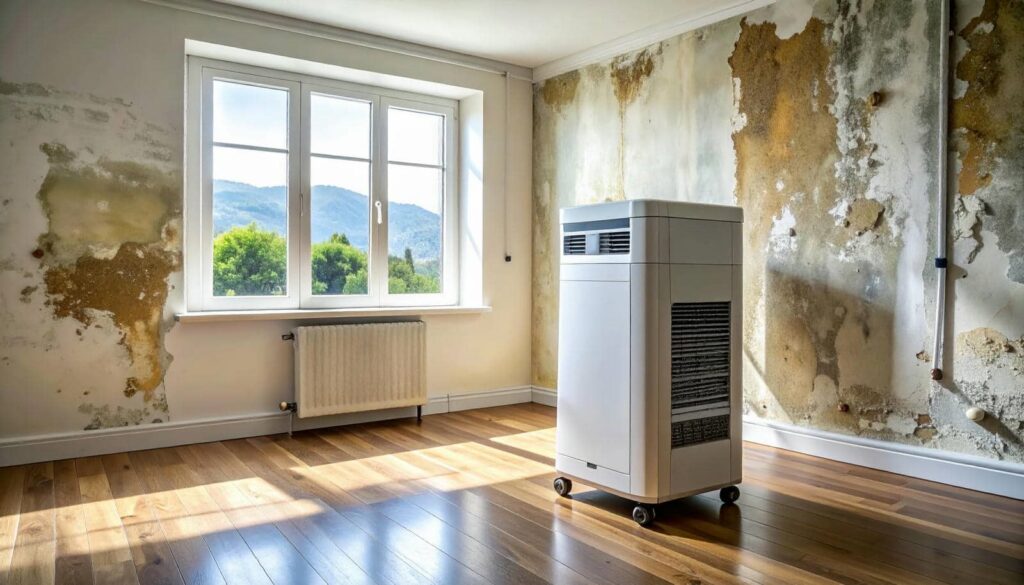
When faced with a little inconvenience like water damage, it’s crucial to tackle the situation with precision and care. You’ll want to start by accurately evaluating the damage to identify hidden issues. This sets the stage for effective restoration. But there’s more to reflect on, from safety protocols to advanced equipment. Understanding these elements will make a significant difference in the outcome. Let’s explore what you need to know for a successful restoration process.
Key Takeaways
- Conduct a thorough damage evaluation and document findings for insurance and restoration discussions.
- Utilize industrial-grade equipment for quick water removal and effective drying techniques.
- Maintain humidity levels below 60% to prevent mold growth and ensure proper ventilation.
- Communicate openly with homeowners, providing regular updates and clarifying expectations.
- Invest in staff training and preventative measures to enhance restoration efficiency and effectiveness.
Assessing the Damage Quickly and Accurately
When you discover water damage, it’s essential to assess the situation quickly and accurately to prevent further issues. Start with a thorough damage evaluation; identify the source of the leak and the extent of the damage. Check walls, floors, and any affected belongings.
Use moisture meters to detect hidden moisture, which can lead to mold growth if overlooked. Document everything with photos and notes, as this will aid in discussions with insurance companies and restoration professionals.
Understanding the severity of the damage helps establish a realistic restoration timeline, ensuring you know what to expect. Depending on the situation, you may need to prioritize certain areas for immediate attention to mitigate further loss.
Prioritizing Safety and Health Concerns
Although water damage can be overwhelming, prioritizing safety and health concerns is essential during the restoration process. You need to ensure that both you and your environment remain safe while tackling the issue.
Adhering to established safety protocols and conducting thorough health assessments can prevent further complications. Here are some key points to take into account:
- Wear protective gear, like gloves and masks, to avoid exposure.
- Assess for potential hazards, such as mold or electrical issues.
- Ensure proper ventilation to reduce humidity and airborne contaminants.
- Keep children and pets away from the affected area.
- Document any health issues that arise post-restoration for future reference.
Utilizing Professional Equipment for Water Extraction
Using professional equipment for water extraction can make a significant difference in the efficiency and effectiveness of your restoration efforts.
When faced with water damage, relying on high-grade tools designed specifically for this purpose is essential. Industrial-grade pumps and vacuums can remove large volumes of water quickly, minimizing the risk of further damage to your property.
Additionally, moisture meters and infrared cameras help identify hidden pockets of water, ensuring a thorough extraction process.
These tools speed up the recovery and enhance the overall quality of the restoration.
Implementing Effective Drying Techniques
To effectively dry out your space after water damage, you’ll want to utilize moisture detection tools to identify hidden damp areas.
Managing airflow with fans and vents will enhance evaporation, while strategically using dehumidification equipment can considerably lower humidity levels.
Together, these techniques create an efficient drying process that minimizes further damage.
Moisture Detection Tools
When tackling water damage, having the right moisture detection tools at your disposal is crucial for implementing effective drying techniques.
These tools help you identify hidden moisture and ensure your efforts are thorough.
Here are some key moisture detection tools you should consider:
Moisture Meters: Essential for measuring moisture levels in materials like wood and drywall.
Thermal Imaging Cameras: Allow you to see temperature differences and identify damp areas.
Hygrometers: Measure humidity levels in the air to help gauge drying progress.
Infrared Thermometers: Quickly assess surface temperatures and spot potential moisture issues.
Borescopes: Inspect hard-to-reach areas to detect hidden moisture pockets.
With these tools, you can effectively manage water damage and restore your space to its former glory.
Airflow Management Strategies
After identifying moisture with the right detection tools, managing airflow becomes a key component in effective drying techniques.
You’ll want to implement airflow enhancement strategies to facilitate quicker drying and prevent mold growth. Start by ensuring adequate ventilation; open windows and doors to promote cross-ventilation, allowing fresh air to circulate.
Use fans to boost airflow in affected areas, directing the wind toward wet surfaces. Consider utilizing ventilation techniques that target damp spots specifically, moving air towards these areas for maximum impact.
Remember, maintaining a consistent airflow speeds up the drying process and creates a healthier environment, reducing the risk of future water damage.
Stay proactive, and your efforts will pay off in the long run.
Dehumidification Equipment Usage
While managing moisture is essential, using dehumidification equipment effectively can greatly enhance your drying efforts. Different dehumidifier types play a significant role in moisture removal, ensuring that your space returns to a safe and dry condition.
Here are some tips to maximize your dehumidification process:
- Choose the right dehumidifier type for your needs (e.g., refrigerant vs. desiccant).
- Position dehumidifiers strategically for ideal airflow.
- Regularly check and empty water collection tanks to maintain efficiency.
- Monitor humidity levels throughout the drying process.
- Combine dehumidifiers with fans for improved air circulation.
Addressing Mold Prevention and Treatment
To effectively prevent mold growth, you need to understand the conditions that promote its development, such as moisture and inadequate ventilation.
Once mold appears, timely and effective treatment methods are essential to mitigate health risks and property damage.
Mold Growth Conditions
Since mold thrives in damp, warm environments, it’s crucial to address any water damage promptly to prevent its growth.
You can take several measures to discourage mold development in your home:
- Maintain humidity control below 60%.
- Implement effective ventilation strategies in bathrooms and kitchens.
- Inspect and repair leaks in pipes and roofs immediately.
- Use dehumidifiers in areas prone to moisture.
- Regularly clean and dry any water-affected surfaces.
Effective Treatment Methods
When dealing with mold, it’s essential to act quickly and effectively to prevent further growth and damage.
Start by evaluating your water quality; contaminated water can exacerbate mold issues.
Utilize restoration techniques such as thorough drying and dehumidification to eliminate moisture.
After drying, treat affected areas with a mixture of water and detergent to remove mold spores.
For persistent mold, consider using specialized fungicides.
Confirm proper ventilation during the process to promote air circulation and reduce humidity levels.
Regular monitoring and maintenance of your home’s humidity levels can prevent future mold occurrences, fostering a healthy environment for you and your family.
Documenting the Damage for Insurance Claims
Documenting water damage meticulously is essential for securing a successful insurance claim. You need to gather thorough evidence to support your case, ensuring a smooth claims process.
Start by creating a detailed inventory of all affected items, noting their condition and value.
Follow these steps for effective documentation:
- Take Photographs: Capture clear images of the damage from multiple angles.
- Record Measurements: Note the dimensions of affected areas to illustrate the extent of damage.
- List Damaged Items: Create a detailed inventory, including descriptions and values.
- Document Repairs: Keep records of any immediate repairs you undertake to mitigate further damage.
- Collect Receipts: Save all receipts related to repairs and restoration efforts for reimbursement.
Communicating With Homeowners Throughout the Process
Effective communication is essential during water damage restoration.
You should establish clear expectations from the start, provide regular updates on progress, and use simple language to ensure homeowners fully understand the process.
This builds trust and helps alleviate any concerns they may have.
Establish Clear Expectations
Clear communication is essential to managing homeowner expectations during the water damage restoration process. By establishing clear expectations from the start, you create a sense of trust and understanding.
Here’s how you can achieve this:
- Discuss the scope of work and timeline upfront
- Explain the restoration process in simple terms
- Clarify possible challenges and solutions
- Set realistic expectations regarding costs and insurance claims
- Encourage homeowners to ask questions or voice concerns
Provide Regular Updates
How can you ensure homeowners feel informed and involved during the restoration process? The key lies in providing regular updates.
Make it a habit to communicate frequently, whether through phone calls, texts, or emails. Share progress reports on the restoration work, and explain any challenges that arise. This transparency builds trust and reassures homeowners that you’re dedicated to their project.
Encourage client feedback to ascertain that their concerns are addressed promptly. By engaging them in conversations about timelines and next steps, you’ll foster a sense of belonging in the process.
Use Simple Language
Building on the importance of regular updates, using simple language is equally essential when communicating with homeowners during the restoration process.
Clear communication fosters trust and ensures everyone understands the necessary water safety measures. Here are some restoration tips to keep in mind:
- Explain the restoration steps in layman’s terms.
- Avoid technical jargon that might confuse homeowners.
- Use visuals like charts or images to clarify processes.
- Encourage questions to address concerns directly.
- Summarize key points regularly to reinforce understanding.
Providing Comprehensive Cleanup and Restoration
When dealing with water damage, it’s essential to act swiftly and systematically to ensure a thorough cleanup and restoration. Start by evaluating the extent of the damage and prioritizing areas that need immediate attention.
Utilize effective cleanup techniques, like extracting standing water and using dehumidifiers, to reduce moisture levels.
Next, make sure you have the right restoration materials on hand. This may include mold-resistant drywall, insulation, and flooring. These materials restore your space and enhance its resilience against future incidents.
Don’t forget to document the damage for insurance purposes. Keep communication open with your restoration team, ensuring they understand your concerns and goals.
Offering Preventive Measures for Future Incidents
After successfully managing water damage cleanup and restoration, it’s important to take proactive steps to prevent future incidents.
Implementing effective preventive measures protects your property and fosters a sense of security within your community.
Here are some key strategies you can adopt:
Invest in waterproofing solutions for basements and crawl spaces.
Schedule routine inspections of plumbing, roofs, and drainage systems.
Maintain gutters and downspouts to ensure proper water flow.
Seal any cracks or gaps in your foundation or walls.
Install sump pumps to manage excess water during heavy rainfall.
Training Staff on Best Practices and New Technologies
To ensure your team is equipped to handle water damage restoration effectively, it’s crucial to invest in training focused on best practices and the latest technologies.
Prioritize staff development by providing ongoing training sessions that keep your crew informed about industry standards and emerging techniques. This enhances their skills and fosters a culture of continuous improvement.
Encourage participation in workshops and certifications that cover advanced moisture detection methods, drying techniques, and innovative equipment usage. By doing so, you empower your team with knowledge that can greatly impact their performance in the field.
Moreover, create an environment where sharing insights and experiences is valued. When staff members collaborate and learn from each other, they feel a sense of belonging and connection.
This camaraderie can improve teamwork and boost morale, resulting in a more effective and motivated workforce ready to tackle any water damage restoration challenge.
Frequently Asked Questions
How Long Does the Water Damage Restoration Process Typically Take?
The water damage restoration process typically takes a few days to weeks, depending on the severity. Effective drying techniques play an essential role in the restoration timeline, ensuring your space returns to normal quickly and efficiently.
What Should I Do Immediately After Discovering Water Damage?
When a sudden flood disrupts your sanctuary, your immediate response is essential. Start with emergency response measures, then conduct a thorough damage assessment to understand the extent and prioritize your next steps for recovery.
Will My Homeowners Insurance Cover Water Damage Restoration Costs?
Your homeowners’ insurance might cover water damage restoration, but it depends on your insurance policies and coverage limits. Review your policy details or contact your agent to understand your specific situation and potential reimbursement options.
Can I Attempt DIY Water Damage Restoration Before Calling Professionals?
While homeowners attempt DIY techniques for water damage, you should proceed cautiously. Using the right restoration tools can help, but if the damage is severe, calling professionals might be your best bet.
How Do I Choose the Right Water Damage Restoration Service?
To choose the right water damage restoration service, evaluate their qualifications, check customer reviews, and ensure they have experience with similar issues. A reliable service will prioritize your needs, making you feel secure in your choice.
Final Thoughts
Effectively restoring water damage involves a meticulous approach, from evaluating the damage to implementing preventative measures. By using advanced equipment and maintaining open communication, you can ensure a smooth process for homeowners. Remember, it’s not just about fixing the problem—it’s about preventing it from happening again. So, stay ahead of the game, use your smartphone to track moisture levels, and keep your property safe. After all, an ounce of prevention is worth a pound of cure!