
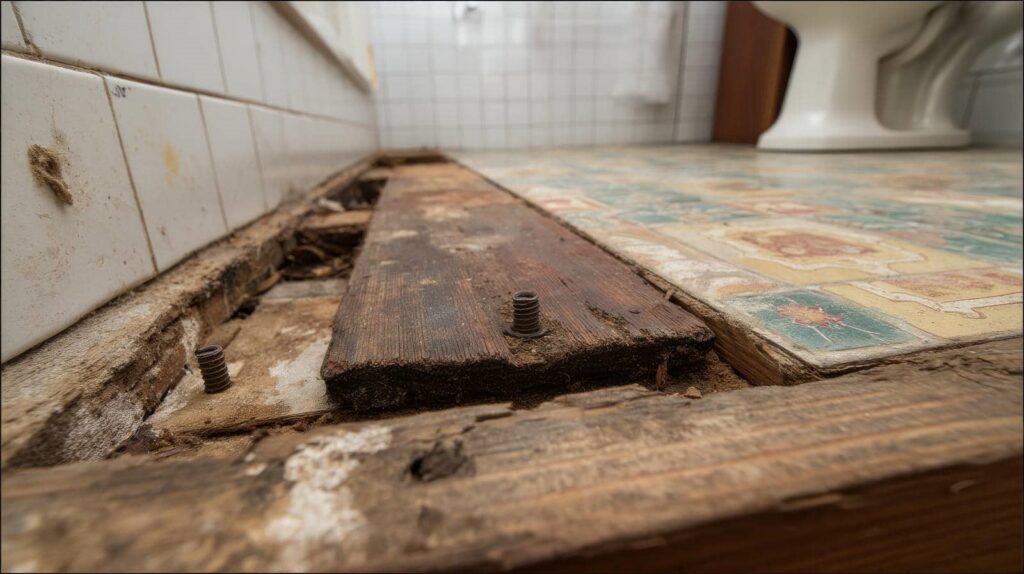
You might think water damage is just a risk for older homes, but it can happen to anyone, regardless of age or condition. Taking proactive steps can save you from costly repairs and stress. Regular roof inspections, prompt plumbing repairs, and smart drainage solutions are key. Curious about how these simple actions can greatly reduce your risk of water damage? Let’s explore some practical tips that can help protect your home effectively.
Key Takeaways
- Schedule seasonal roof inspections to catch issues early and check for damaged shingles that could lead to leaks.
- Regularly monitor plumbing for leaks by inspecting under sinks and around appliances, and promptly repair any identified issues.
- Ensure proper drainage by evaluating landscape grading and keeping gutters clear to direct water away from the foundation.
- Invest in smart water detection systems that alert you to moisture levels, helping to prevent potential water damage.
- Create and regularly review a water damage emergency plan with your family, including contacts and response procedures for various situations.
Regularly Inspect and Maintain Your Roof
Since your roof is your home’s first line of defense against water damage, regularly inspecting and maintaining it’s vital. To protect your investment, schedule seasonal inspections to catch problems early.
Check for missing or damaged shingles, as these can lead to leaks. Clear debris from gutters and downspouts to guarantee proper drainage; clogged gutters can cause water to pool on your roof.
Don’t forget to examine flashing around chimneys and vents, as this is often where leaks begin. If you notice any signs of wear or damage, tackle them promptly to prevent more extensive repairs later.
Consider hiring a professional for a thorough inspection if you’re unsure about your roof’s condition. By prioritizing roof maintenance, you’ll help keep your home safe and dry, assuring your family feels secure inside.
Regular upkeep fosters a sense of belonging, knowing your home is well-protected against the elements.
Check and Repair Plumbing Leaks Promptly
After ensuring your roof is in good shape, turn your attention to the plumbing inside your home. Regular leak detection is vital for preventing water damage. Start by checking under sinks, around toilets, and near appliances for any signs of moisture or puddles.
If you spot a leak, don’t delay; prompt repairs can save you from costly damage down the line.
Incorporating plumbing maintenance into your routine is essential. This includes tightening loose fittings, replacing worn-out washers, and ensuring pipes are insulated, especially in colder months.
Even small leaks can lead to significant problems, like mold growth or structural damage.
Consider scheduling periodic inspections with a plumber to catch issues early. By staying proactive, you not only protect your home but also create a safe and welcoming environment for your family.
Ensure Proper Drainage Around Your Home
To prevent water damage, it’s essential to ensure proper drainage around your home. Start by evaluating your landscape grading. Verify the ground slopes away from your foundation, directing water away from your home. If you notice any low spots, consider filling them in to enhance drainage.
Next, implement effective drainage solutions like gutters and downspouts. Make certain they’re clear of debris and extend at least 5-10 feet from your foundation. This helps prevent pooling near your home, reducing the risk of water seeping in.
Additionally, consider installing a French drain or a rain garden if you have persistent drainage issues. These can effectively redirect excess water and improve your yard’s overall health.
Regularly check your drainage systems and landscaping to maintain peak conditions. By taking these steps, you’ll create a safer, drier environment for your home and family.
Invest in Water Detection Systems
While you may take steps to prevent water damage, investing in water detection systems can provide an added layer of protection for your home. These systems use smart sensors to monitor moisture levels in key areas, alerting you to potential issues before they escalate.
Imagine being notified immediately if a leak starts, allowing you to take action before significant damage occurs. Early detection is essential in preserving your home’s value and preventing costly repairs.
Many of these systems can integrate with your smartphone, giving you peace of mind whether you’re home or away.
Choosing the right water detection system is easier than you think. Look for options that suit your lifestyle and budget.
By incorporating these smart sensors into your home, you’re not just investing in technology; you’re investing in a safer, more secure living environment for you and your loved ones.
Don’t wait until it’s too late take action now!
Create a Water Damage Emergency Plan
Creating a water damage emergency plan is essential, especially since unexpected leaks or floods can happen at any time. Start by gathering your emergency contacts, including local plumbers, your insurance provider, and family members who can help. Make sure everyone in your household knows these contacts and can access them quickly.
Next, outline your response procedures. Identify the main water sources in your home and know how to shut them off. Create a step-by-step plan for each type of emergency whether it’s a burst pipe or a flood from heavy rain.
Regularly review this plan with your family, so everyone feels confident in their roles during a crisis. Having a clear, organized approach not only minimizes damage but also fosters a sense of security among your loved ones.
Frequently Asked Questions
How Can I Tell if My Roof Needs Repairs?
You can tell your roof needs repairs by scheduling regular roof inspections and looking for repair signs like missing shingles, leaks, or sagging areas. Addressing these issues early can save you from costly damage later.
What Household Items Are Most Susceptible to Water Damage?
Your appliances, like dishwashers and washing machines, can be vulnerable to water damage. Basement flooding often affects stored items too. Regular appliance maintenance helps you protect your belongings and maintain a safe, dry environment.
How Often Should I Check My Plumbing for Leaks?
You should check your plumbing for leaks at least once a month. Regular leak detection and plumbing maintenance help you catch issues early, protecting your home and giving you peace of mind. Stay proactive!
What Are the Signs of Hidden Water Damage?
You’ll notice signs of hidden water damage through mold growth, musty odors, and discoloration on walls or ceilings. Using moisture detection tools can help identify damp areas before they turn into bigger problems. Stay proactive!
Can Plants Around My Home Affect Drainage?
Yes, plants around your home can affect drainage issues. Choosing the right plant selection helps prevent root overgrowth that clogs drains and disrupts water flow, ensuring your landscaping supports proper drainage rather than hinders it.
Review
By following these smart tips, you can save yourself from the irony of having a beautiful home that turns into a water-damaged nightmare. It’s funny how we often neglect the small things, like checking our roofs or cleaning gutters, only to face big headaches later. So, take a proactive approach inspect, maintain, and prepare. After all, you’d rather deal with a little effort now than a major disaster later. Your home will thank you for it!