
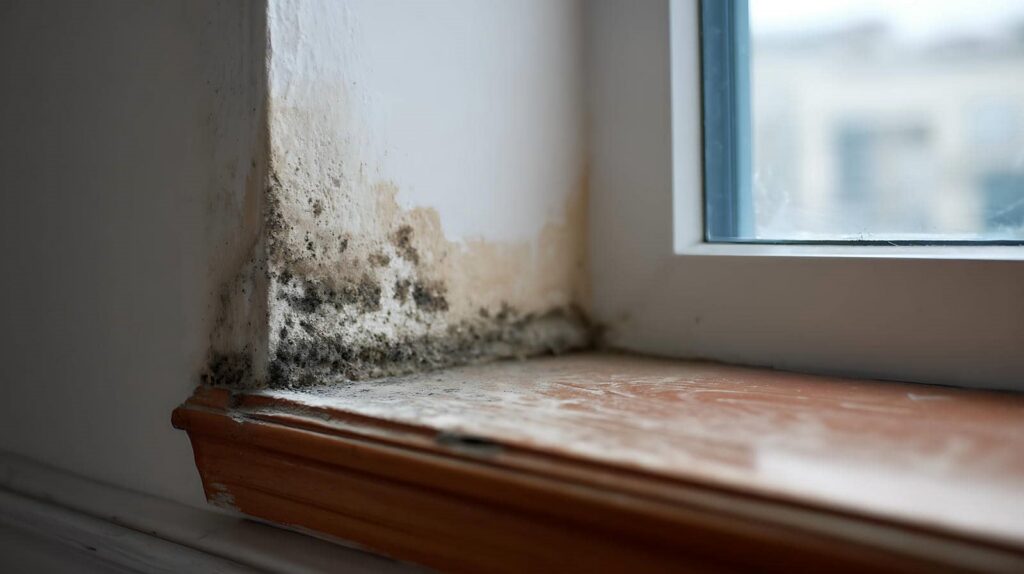
In the domain of home maintenance, mold remediation is often the unseen villain lurking after water damage strikes. You may wonder how much it’ll cost to rid your space of this menace. Understanding the various factors that influence mold remediation expenses can be essential. From the extent of growth to your location, each element plays a role in your potential financial commitment. So, what should you really expect to pay for effective mold removal?
Key Takeaways
- Mold remediation costs vary widely, typically ranging from $500 to $6,000, depending on the extent of mold growth after water damage.
- Initial assessments and inspections may add $200 to $1,000 to your overall remediation costs, especially if extensive mold testing is required.
- The type of materials affected by mold can influence whether cleaning or replacement is necessary, impacting overall expenses significantly.
- Geographic location affects labor rates, so remediation costs can differ based on the area where the water damage and mold occur.
- Preventative measures, such as controlling humidity and addressing leaks, can help reduce future mold growth and associated remediation costs.
Factors Influencing Mold Remediation Costs
When evaluating mold remediation costs, several key factors come into play that can greatly influence the final price. One significant factor is the extent of mold growth, as larger or more pervasive infestations require more extensive cleanup and specialized techniques.
You’ll find that the type of materials affected—like drywall or insulation—can also impact costs, as some materials may need complete replacement rather than simple cleaning.
Insurance coverage plays an essential role too; your policy might cover certain aspects of mold remediation, reducing your out-of-pocket expenses. However, it’s essential to check your coverage limits and exclusions, as not all policies provide thorough protection against mold issues.
Additionally, the region you live in can influence costs due to local labor rates and availability of remediation specialists. Understanding these elements helps you prepare for the financial aspects of mold remediation effectively.
Average Costs for Mold Remediation Services
While the specific costs for mold remediation can vary widely, you can generally expect to pay between $500 and $6,000, depending on various factors such as the severity of the mold issue and the affected area.
Understanding these costs helps you make informed decisions. Here are key elements that influence your expenses:
Mold Inspection Costs: Initial assessments can range from $200 to $1,000, determining the extent of the problem.
Affected Area Size: Larger areas of mold growth will naturally lead to higher remediation costs.
Type of Remediation Technology: Advanced techniques, like HEPA filtration or thermal imaging, may increase costs but guarantee thoroughness.
Geographic Location: Prices can fluctuate based on local market rates for services.
Cost Breakdown of the Mold Remediation Process
Understanding the cost breakdown of the mold remediation process is essential for homeowners facing mold issues. Various factors influence the total cost, including the mold types present and the remediation techniques employed.
First, identify the mold type, as some species, like black mold, may require more intensive and costly treatment.
Next, you’ll encounter costs associated with inspection and testing, typically ranging from $200 to $600. The actual remediation can vary considerably based on the affected area; small jobs might cost around $500, while extensive infestations could exceed $6,000.
Additionally, containment measures, air filtration systems, and post-remediation verification add to the overall expenses.
Finally, don’t forget potential repairs to damaged structures, which can further impact your budget. By understanding these elements, you can make informed decisions and effectively manage your mold remediation costs.
DIY vs. Professional Mold Remediation Costs
Choosing between DIY and professional mold remediation can profoundly affect your budget and the effectiveness of the treatment. Here’s a breakdown to help you decide:
Cost of DIY Techniques: Generally, you’ll spend around $50-$200 on supplies like bleach, mold removers, and protective gear.
Time Investment: DIY can take considerably longer, often several days, depending on the extent of the mold.
Effectiveness: Without proper training, you might miss hidden mold, leading to recurring issues.
Professional Services: Hiring experts can range from $500 to $6,000, but they guarantee thorough assessment and safe removal.
Ultimately, while DIY techniques can save money upfront, professional services offer expertise that can prevent future problems, making it a wise investment in the long run.
Preventative Measures to Reduce Future Costs
Investing in preventative measures can markedly reduce the risk of mold growth and, consequently, future remediation costs.
Effective mold prevention hinges on maintaining ideal humidity control in your living spaces. Aim to keep indoor humidity levels between 30% and 50%. You can achieve this by using dehumidifiers, especially in damp areas like basements and bathrooms.
Regularly inspect for leaks and promptly address any water issues. Guarantee proper ventilation in your home, particularly in kitchens and bathrooms, to prevent moisture buildup.
Utilize mold-resistant materials in construction or renovations, which can provide an additional layer of defense against fungal growth.
Lastly, consider implementing routine maintenance checks, such as cleaning gutters and guaranteeing drainage systems function correctly.
Frequently Asked Questions
How Long Does Mold Remediation Typically Take?
Mold remediation typically takes one to five days, depending on the severity. Your remediation timeline includes mold removal, drying, and thorough cleaning, ensuring a safe environment. Factors like containment and materials also influence the duration.
Will Insurance Cover Mold Remediation Costs?
Will insurance cover mold remediation costs? It depends! Many insurance policies offer mold coverage, but specifics vary. You’ll need to review your policy details and possibly consult your agent to clarify your coverage.
Can I Stay in My Home During Remediation?
You shouldn’t stay in your home during remediation unless a safety evaluation confirms it’s safe. Mold spores can pose health risks, so ensuring proper remediation safety is essential for your well-being and peace of mind.
What Types of Mold Require Special Handling?
Like a hidden predator, toxic mold types such as black mold and Stachybotrys require special handling. Their spores can pose health risks, necessitating professional intervention to guarantee your safety and well-being during remediation.
Are There Health Risks Associated With Mold Remediation?
Yes, there’re health risks associated with mold remediation. You might experience mold exposure leading to health symptoms like respiratory issues, skin irritation, or allergic reactions. It’s vital to follow safety protocols to minimize these risks effectively.
Review
In weighing DIY solutions against professional mold remediation, consider the long-term implications. While tackling mold yourself might seem cost-effective, it often leads to incomplete removals and recurring issues, ultimately inflating your expenses. Conversely, investing in professional services initially may seem steep but guarantees thorough eradication and peace of mind. By understanding the costs involved and prioritizing effective prevention, you can safeguard your property and wallet from the hidden dangers of mold growth after water damage.