
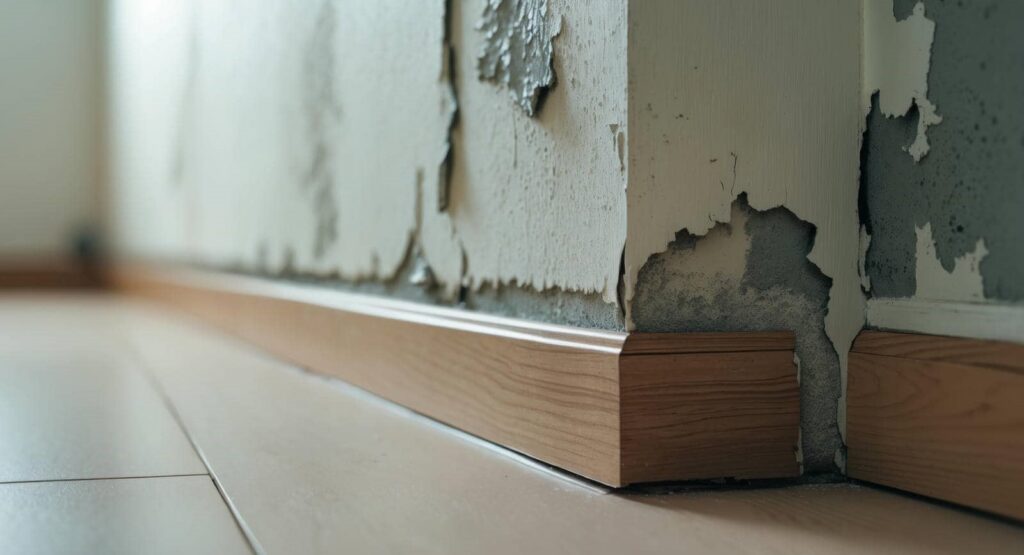
When dealing with water damage, it’s essential to prioritize safety and thoroughly assess the situation before diving into restoration efforts. Using the right professional equipment can make all the difference in effectively addressing the issue. Additionally, having a solid restoration plan ensures you stay organized and focused. But what specific steps should you take to maximize your success? Let’s explore the top three tips that can guide you through this challenging process.
Key Takeaways
- Prioritize safety by wearing PPE and turning off electricity and gas supplies before beginning any restoration work.
- Conduct a thorough damage assessment to identify all affected areas and potential hidden water pockets.
- Utilize professional equipment like dehumidifiers and moisture detection tools to expedite the drying process.
- Develop a detailed restoration plan with a clear timeline, documenting damage for insurance purposes.
- Communicate effectively with professionals throughout the process to ensure quality and successful restoration outcomes.
Prioritize Safety and Assess the Damage
Before you plunge into water damage restoration, it’s essential to prioritize safety and thoroughly assess the damage.
Start by wearing appropriate personal protective equipment (PPE) such as gloves, goggles, and masks to shield yourself from contaminants. Make sure to turn off electricity and gas supplies in affected areas to prevent hazards.
Conduct a detailed damage evaluation by inspecting the extent of water intrusion. Look for visible signs of mold, structural weaknesses, or damaged electrical systems. Document your findings, noting areas requiring immediate attention, as this will help in both planning the restoration and communicating with professionals if needed.
You’re part of a community that values safety and thoroughness, so don’t rush through this critical phase.
Taking these safety measures and performing an extensive damage evaluation can greatly impact your restoration efforts, ensuring a safer and more effective recovery process.
Utilize Professional Equipment and Techniques
Once you’ve assessed the damage and confirmed your safety, utilizing professional equipment and techniques is essential for effective water damage restoration.
Employing advanced drying systems, like dehumidifiers and air movers, helps expedite moisture removal, reducing the risk of mold growth. These tools create ideal airflow and humidity, ensuring a thorough drying process.
Moisture detection tools, such as thermal imaging cameras and moisture meters, allow you to pinpoint hidden water pockets that can contribute to structural damage.
By accurately identifying areas that require attention, you can prevent long-term issues that compromise your home’s integrity.
Working with experienced professionals ensures that you have access to this specialized equipment and the expertise needed to operate it effectively.
Your commitment to using the right tools and techniques fosters a successful restoration, allowing you to return to a safe, dry environment with confidence.
Implement a Comprehensive Restoration Plan
As you commence the water damage restoration process, implementing a thorough restoration plan is essential to ensure that all aspects of the recovery are addressed effectively.
Start by evaluating the damage and creating a detailed restoration timeline. This timeline will help you prioritize tasks, ensuring that critical areas like structural repairs and drying are tackled promptly.
Document all damage meticulously, including photographs and notes, to support any insurance claims. This damage documentation aids the recovery process and provides a clear record for future reference.
Incorporate a checklist that outlines each step, from initial evaluation to final repairs.
Engage with professionals when necessary, as their expertise can greatly enhance your plan.
Frequently Asked Questions
How Can I Prevent Mold Growth After Water Damage?
To prevent mold growth after water damage, implement mold prevention methods like thorough drying and maintain humidity control below 60%. Regularly inspect for leaks and use dehumidifiers to create a less favorable environment for mold.
What Should I Do if My Insurance Won’t Cover the Damage?
If your insurance won’t cover the damage, consider appealing their decision—about 60% of appeals succeed. Explore alternative funding options like government assistance or community resources to help you recover and rebuild effectively.
How Long Does the Water Damage Restoration Process Typically Take?
The restoration timeline typically ranges from a few days to several weeks, depending on the severity of damage. Effective drying techniques expedite the process, ensuring your home returns to a safe, comfortable state as soon as possible.
Can I Handle Water Damage Restoration Myself?
You can handle water damage restoration yourself, but it’s risky. DIY restoration requires specific tools and knowledge. Weigh your options carefully; sometimes, professional help ensures thoroughness and safety that DIY efforts might miss.
What Are the Signs of Hidden Water Damage in My Home?
You’ll notice signs of hidden water damage through musty odors, discoloration on walls, or warped floors. Using moisture detection tools can help identify hidden leaks, ensuring you address issues before they escalate into bigger problems.
Wrap-Up
In water damage restoration, prioritizing safety, using the right equipment, and implementing a thorough plan are essential. By evaluating damage upfront, you can avoid hidden hazards and ensure an efficient recovery. Professional tools like dehumidifiers expedite the drying process and prevent future issues. With a clear restoration plan in place, you’ll keep communication open and maintain momentum throughout the project. Following these steps will lead to successful restoration, protecting your property and peace of mind.