
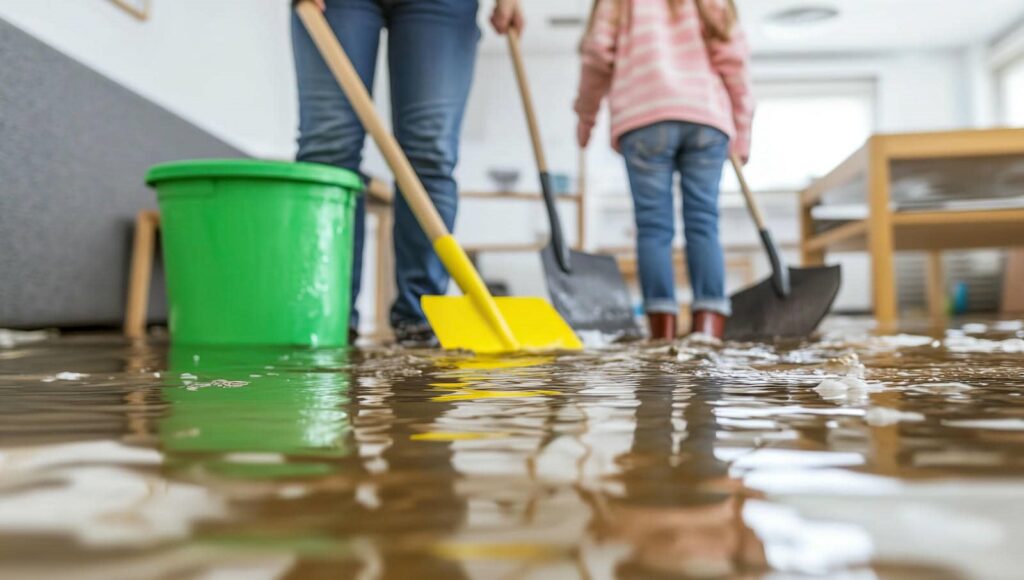
Mastering water extraction machines isn’t just about knowing how to operate them; it involves understanding their components, features, and best practices for use. By honing your skills in this area, you can greatly enhance your restoration efforts. Let’s explore the critical elements that contribute to successful water extraction and ensure you’re equipped to tackle any project efficiently.
Key Takeaways
- Understand the types of water extraction machines and select the right model based on the scale of your restoration project.
- Perform thorough pre-operational checks to ensure all components are functional and ready for efficient water removal.
- Utilize proper operating procedures, including adjusting settings based on surface type and overlapping passes during extraction.
- Implement regular maintenance practices to keep the machine in optimal condition and prevent clogs or damage.
- Document the extraction process meticulously to identify patterns and improve future restoration efforts.
Understanding the Basics of Water Extraction Machines
Water extraction machines, while often overlooked, play an essential role in various industries, particularly in restoration, cleaning, and construction. Understanding the basics of these machines can greatly enhance your operational effectiveness.
At their core, water extraction technology utilizes powerful pumps and vacuum systems to remove water from surfaces efficiently. You’ll find that machine efficiency is paramount; high-performance models can extract large volumes of water quickly, reducing drying time and preventing secondary damage.
Familiarizing yourself with the components—such as the pump capacity, hose length, and recovery tank size—will help you choose the right machine for your needs.
Types of Water Extraction Machines and Their Uses
Understanding the different types of water extraction machines can greatly impact your choice and effectiveness in various applications. You’ll typically encounter two main categories: portable extraction machines and commercial models.
Portable extraction units are ideal for residential jobs or smaller spaces, allowing you to maneuver easily while providing sufficient suction power for effective water removal. These machines are lightweight and designed for quick setups, making them perfect for emergency situations.
On the other hand, commercial models are built for larger-scale projects like schools, offices, or industrial settings. They feature higher capacity tanks and more powerful motors, enabling you to extract significant amounts of water quickly and efficiently.
Understanding these options helps you tailor your approach to each restoration scenario, ensuring you choose the right machine for the job. Ultimately, knowing the strengths of both portable and commercial models enhances your effectiveness in the restoration process.
Essential Features to Look for in Water Extraction Equipment
When choosing water extraction equipment, you need to focus on key features that impact performance.
Pay attention to pump power and capacity, as these determine the machine’s efficiency in handling various water removal tasks.
Additionally, consider design and portability for ease of use, as well as filtration and recovery efficiency to ensure maximum effectiveness in your water extraction efforts.
Pump Power and Capacity
Selecting the right pump power and capacity is essential for efficient water extraction, ensuring you can tackle various situations with ease.
When evaluating pump efficiency, consider the flow rate and head pressure, as these metrics directly influence the equipment’s performance. You’ll want to perform capacity calculations based on the size and type of area needing extraction—larger spaces may require pumps with higher capacities.
Additionally, a balance between power and energy consumption is vital; choosing a pump that operates efficiently can save costs in the long run.
Always evaluate the specific demands of your restoration projects, as the right pump can greatly enhance your effectiveness and reliability in water extraction.
Design and Portability
The design and portability of water extraction equipment play an essential role in its usability across various environments. When choosing your machine, consider its design versatility; equipment that adapts to different restoration settings can considerably enhance your efficiency.
Look for features like adjustable handles and compact bodies that enable easy maneuverability in tight spaces. Portability options, such as wheels and lightweight materials, also contribute to your ability to transport the machine with ease.
Ensuring that your equipment is functional and user-friendly fosters confidence in your restoration efforts. By prioritizing these design elements, you’ll be better equipped to tackle diverse water damage scenarios, ultimately enhancing your effectiveness in the field and strengthening your connection to the restoration community.
Filtration and Recovery Efficiency
While you assess water extraction machines, focusing on their filtration and recovery efficiency is essential for achieving ideal results in restoration tasks.
Look for models that incorporate advanced filtration techniques, such as multi-stage or HEPA filters, which can effectively eliminate contaminants. High-quality filters improve air quality and enhance the machine’s overall performance.
Additionally, examine the recovery methods employed by the unit. Machines featuring high suction power and optimized recovery rates ensure maximum water extraction, reducing the risk of secondary damage from lingering moisture.
Pre-Operational Checks Before Using Water Extraction Machines
Before you start using your water extraction machine, it’s essential to inspect all machine components for any wear or damage.
Verify the power supply is stable and meets the machine’s requirements to avoid operational issues.
Finally, review the operating instructions to familiarize yourself with any specific protocols or safety measures.
Inspect Machine Components
Five key components must be inspected before operating a water extraction machine to ensure peak performance and safety.
Start with the hoses; check for any signs of wear that could compromise component durability.
Next, examine the vacuum head for blockages or damage, verifying it’s compatible with your specific machine model.
Inspect the recovery tank for leaks or cracks, as this affects efficiency.
Don’t overlook the filters; clean or replace them to optimize airflow and suction.
Finally, assess the pump for any unusual noises or vibrations, which could indicate potential issues.
Check Power Supply
A thorough check of the power supply is essential to ensure your water extraction machine operates efficiently and safely.
Start by verifying the power source; confirm that it matches the machine’s electrical requirements. Inspect the power cord for any signs of wear or damage, as a compromised cord can lead to malfunctions or hazards.
Ensure that the outlet is functioning correctly and can handle the machine’s voltage and amperage needs. If you’re using an extension cord, make sure it’s rated for the required load and is in good condition.
Finally, check for any tripped breakers or blown fuses that might interrupt operation. By taking these steps, you’re setting the stage for successful restoration work.
Review Operating Instructions
After ensuring the power supply is secure, reviewing the operating instructions is essential for safe and effective use of your water extraction machine.
Start by consulting the operating manual, which provides critical information on setup, operation, and maintenance. Familiarize yourself with the user guidelines, focusing on key safety protocols and troubleshooting tips.
Check for any specific pre-operational checks outlined in the manual, such as inspecting hoses and filters for damage. Understand the machine’s controls and settings to optimize performance during extraction.
This methodical approach enhances your efficiency and fosters a sense of confidence and belonging within the restoration community. By mastering these instructions, you’ll ensure a successful and safe restoration process.
Step-by-Step Guide to Operating Water Extraction Machines
Operating a water extraction machine requires careful attention to detail and a systematic approach to ensure peak performance.
Start by reviewing your restoration project planning to determine the specific water extraction techniques you’ll employ. Verify the machine is set up on a stable surface and connected to a power source.
Next, fill the recovery tank with clean water, adhering to the manufacturer’s guidelines. Before you begin extraction, adjust the settings based on the type of surface and the amount of water present.
Turn on the machine, and methodically move it across the affected area, overlapping each pass to verify thorough extraction.
Keep an eye on the recovery tank’s capacity, emptying it as needed to maintain ideal suction.
After extraction, clean the machine according to the instructions, preparing it for future use. Following these steps enhances your efficiency and contributes to the success of your restoration efforts.
Maintenance Tips for Longevity of Water Extraction Equipment
To ensure the longevity of your water extraction equipment, perform routine maintenance checks regularly.
Start with routine cleaning; after each use, thoroughly clean the hoses, filters, and tanks to prevent clogs and buildup. Regularly inspect for wear and tear, replacing any damaged components immediately to avoid costly repairs down the line.
Proper equipment storage is equally vital. Store your machines in a dry, temperature-controlled environment to prevent corrosion and damage from humidity.
Make sure they’re positioned upright to avoid any spillage or leakage that could compromise their functionality.
Additionally, keep the user manual handy and follow the manufacturer’s guidelines for maintenance schedules and procedures.
Safety Precautions When Using Water Extraction Machines
While using water extraction machines can greatly aid in restoration efforts, it’s vital to prioritize safety to prevent accidents and injuries. Start by wearing personal protective equipment (PPE) like gloves, goggles, and waterproof boots to shield yourself from contaminants and potential hazards.
Make sure you’re well-versed in the machine’s operation manual, as each model may have specific safety features. Electrical safety precautions are also important. Always check for frayed cords or damaged plugs before plugging in your machine, and avoid using it in wet areas without proper grounding.
Maintain a clear workspace to prevent tripping hazards and avoid overloading electrical outlets. Finally, keep a first aid kit nearby for any unexpected incidents.
Troubleshooting Common Issues With Water Extraction Equipment
When unexpected issues arise with your water extraction equipment, identifying the root cause quickly can save time and enhance efficiency. Common faults include clogs, motor failures, and leaks.
Start by checking the hoses for blockages; often, debris can impede suction. If the machine’s motor isn’t running, inspect the power source and verify all connections are secure. For leaks, examine seals and fittings—worn components may require replacement.
To implement effective troubleshooting tips, maintain a log of any recurring issues, as patterns can reveal underlying problems. Regular maintenance, including cleaning filters and checking for wear, will prevent many faults before they occur.
Finally, don’t hesitate to refer to the manufacturer’s manual for specific guidance on your model. By mastering these troubleshooting techniques, you’ll build confidence in using your equipment, fostering a sense of belonging within the restoration community.
Best Practices for Effective Water Extraction in Restoration Projects
Effective water extraction in restoration projects hinges on a systematic approach that prioritizes both speed and thoroughness.
Start by evaluating the extent of water damage; this informs your choice of restoration techniques. Confirm you have the right equipment ready, such as high-capacity pumps and dehumidifiers, to tackle the job efficiently.
Next, establish a clear plan of action. Begin extraction promptly, focusing on the most affected areas first, and monitor moisture levels throughout the process.
Utilize multiple extraction methods if needed, including submersible pumps and truck-mounted systems, to maximize efficiency.
As you work, maintain clear communication with your team and clients, explaining each step to foster trust and collaboration.
Finally, document the process meticulously—this aids future restorations and reinforces your commitment to quality.
Adhering to these best practices confirms effective water extraction and enhances your reputation in the restoration industry.
Frequently Asked Questions
How Much Water Can Extraction Machines Remove per Hour?
Extraction machines typically remove between 50 and 100 gallons per hour, depending on their extraction efficiency and machine capacity. Choosing the right model ensures you maximize performance and effectively address water damage in any situation.
Can I Rent Water Extraction Machines for Short-Term Use?
Yes, you can rent water extraction machines for short-term use. Many rental agreements offer flexible terms, ensuring you have the right equipment to tackle your specific needs efficiently, helping you reclaim your space with confidence.
What Are the Costs Associated With Water Extraction Machines?
Water extraction machines typically range from $100 to $500 daily for rentals. Your cost analysis should include maintenance fees, which can add up, so factor those into your budget for a thorough understanding of total expenses.
Are There Eco-Friendly Options for Water Extraction Machines?
You’ll find eco-friendly options featuring sustainable technology and eco-friendly materials, designed to minimize environmental impact while maximizing efficiency. These machines let you tackle restoration with a conscience, aligning your work with environmental responsibility.
How Do I Choose the Right Size of Extraction Machine for My Project?
To choose the right size extraction machine, assess your project requirements and match them with the machine capacity. Consider the area to be extracted and the anticipated water volume to ensure efficient, effective results for your needs.
Wrap-up
Mastering water extraction machines is like wielding a powerful wand in the restoration domain. By understanding their mechanics and features, conducting thorough pre-operational checks, and adhering to maintenance routines, you ensure these machines perform at their peak. With safety as your compass and best practices as your map, you’ll navigate the waters of restoration with confidence. Embrace the journey, and watch as you transform chaos into calm, restoring spaces to their former glory with each extraction.