
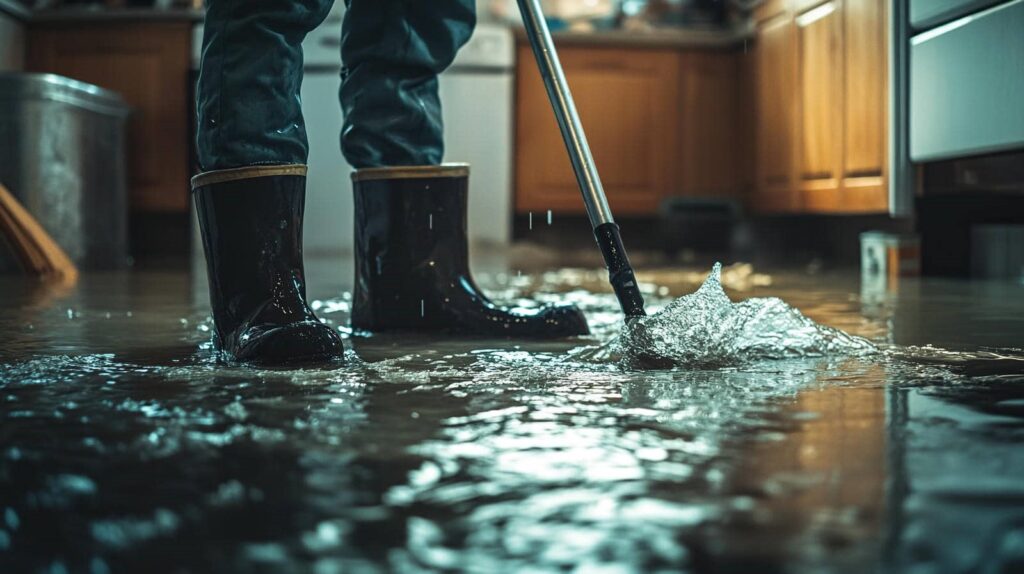
When faced with flood water removal, it’s vital to approach the process methodically. Start by evaluating the severity of the damage to determine your needs. Selecting the right equipment can make a significant difference in efficiency. Don’t overlook safety precautions, as proper gear is essential. Additionally, monitoring humidity levels ensures effective drying. These tips can help you tackle the situation effectively and maintain your equipment for future use. Let’s explore these strategies in detail.
Key Takeaways
- Choose the right equipment based on the severity of water damage; use submersible pumps for large volumes and wet vacuums for residual moisture.
- Always wear appropriate safety gear, including waterproof boots, gloves, and goggles, to protect against contaminants during operation.
- Ensure all electrical equipment is unplugged and use GFCIs when operating tools near water to prevent electrical shock hazards.
- Regularly monitor indoor humidity levels with a hygrometer, and use dehumidifiers to maintain optimal conditions for faster drying.
- Conduct routine maintenance on equipment, checking hoses and filters, to ensure efficiency and prevent future issues during use.
Assess the Severity of Water Damage
How can you determine the extent of water damage in your home? Start with a thorough water damage assessment. Inspect all affected areas, looking for signs like discoloration, warping, or mold.
Classifying the damage is essential; it typically falls into three categories: clean water, gray water, and black water. Clean water originates from sources like leaky pipes, while gray water may come from appliances. Black water, however, poses significant health risks, as it contains contaminants.
Next, consider the duration of exposure. Assess whether the damage is recent or if it has been present for an extended period. This classification helps you prioritize restoration efforts effectively.
Document your findings with photos and notes to support any claims with your insurance provider. Understanding the severity of water damage helps ensure effective recovery and ensures you’re part of a supportive community seeking restoration.
Choose the Right Equipment for the Job
Once you’ve assessed the severity of water damage, the next step is choosing the right equipment for the job.
You’ll encounter various types of equipment, including submersible pumps, wet vacuums, and dehumidifiers. Each type has unique equipment features suited for specific situations. For instance, submersible pumps are effective for large volumes of water, while wet vacuums are ideal for removing residual moisture from carpets and floors.
Consider the power capacity and portability of each piece of equipment. High-capacity pumps can expedite removal, but they may be cumbersome to transport. On the other hand, lightweight wet vacuums allow for easy maneuverability in tight spaces.
Additionally, verify the equipment is compatible with the surface material you’re working on, as some features are better for hard surfaces than carpets. By selecting the appropriate equipment, you’ll enhance efficiency and verify a thorough water removal process, fostering a sense of belonging in your cleanup efforts.
Follow Safety Precautions During Operation
As you begin the water removal process, it’s crucial to follow safety precautions to protect yourself and others in the vicinity. First, wear appropriate safety gear, including waterproof boots, gloves, and goggles to shield against contaminants. This gear protects you from harmful substances and enhances your confidence while working.
Next, be aware of electrical hazards. Before starting, verify that all electrical equipment is unplugged and that the area is safe from potential shock risks. Use ground-fault circuit interrupters (GFCIs) when operating tools near water.
It’s also important to maintain good ventilation to prevent the buildup of harmful gases. Keep your workspace organized to reduce trip hazards, and always have a first aid kit on hand.
Monitor Humidity Levels After Extraction
After you’ve successfully removed the flood water, it’s essential to monitor humidity levels to prevent further damage and mold growth.
Maintaining proper humidity control is imperative in the aftermath of flooding. Use a hygrometer to assess moisture levels regularly. Ideally, indoor humidity should stay between 30% and 60%. If you find levels exceeding this range, it’s crucial to act quickly.
Utilize dehumidifiers to help lower humidity and promote faster drying. These devices extract moisture and improve air quality, making your space more comfortable.
Regular moisture measurement will allow you to track progress and adjust your drying strategy as needed.
Additionally, keep windows and doors closed to maintain controlled conditions and enhance the effectiveness of your dehumidifiers.
Perform Regular Maintenance on Equipment
To ensure your water extraction equipment operates efficiently, regular maintenance is essential. By following a thorough maintenance checklist, you can enhance equipment longevity and ensure reliable performance.
Start by inspecting hoses and connections for wear or leaks, as these can greatly impact efficiency. Clean filters regularly to prevent clogs and maintain ideal airflow.
Check the electrical components frequently for any signs of damage or corrosion. Lubricate moving parts as recommended by the manufacturer to prevent friction-related wear.
Don’t forget to test the equipment’s functionality before each use to ensure everything operates smoothly. Keeping detailed maintenance records helps you stay organized and identify recurring issues.
Frequently Asked Questions
How Do I Know When to Replace My Flood Water Removal Equipment?
You’ll know to replace your flood water removal equipment when it fails to meet performance indicators outlined in your maintenance schedule. Regularly assess efficiency and listen for unusual noises that indicate wear or impending failure.
Can I Rent Flood Water Removal Equipment Instead of Buying It?
Absolutely, you can rent flood water removal equipment! Consider rental options for a cost comparison; it often saves money without the commitment of ownership, allowing you to access high-quality tools when you truly need them.
What Is the Best Way to Store Flood Water Removal Equipment?
To store flood water removal equipment effectively, use proper storage solutions to ensure it’s clean and dry. Regularly check for any maintenance needs to prolong its lifespan and ensure readiness for future use.
Are There Any Specific Brands Recommended for Flood Water Removal?
You’ll find several reliable brands for flood water removal, like Xtreme and WaterWizard. Check brand comparisons and equipment reviews to determine which suits your needs best, ensuring effective water removal and peace of mind during emergencies.
How Can I Prevent Mold Growth After Using Flood Water Removal Equipment?
To prevent mold growth, think of humidity control as your shield. Keep indoor humidity below 60%, use dehumidifiers, ensure proper ventilation, and clean surfaces promptly. Staying proactive protects your space and fosters a healthy environment.
Conclusion
Successfully managing flood water removal relies on your ability to assess damage and select the right tools. Coincidentally, taking safety precautions when operating equipment protects you and enhances efficiency. Monitoring humidity levels afterward ensures thorough drying, preventing future issues. Finally, remember that regular maintenance keeps your tools in top shape, ready for the next emergency. By following these steps, you can effectively mitigate water damage and safeguard your environment.