
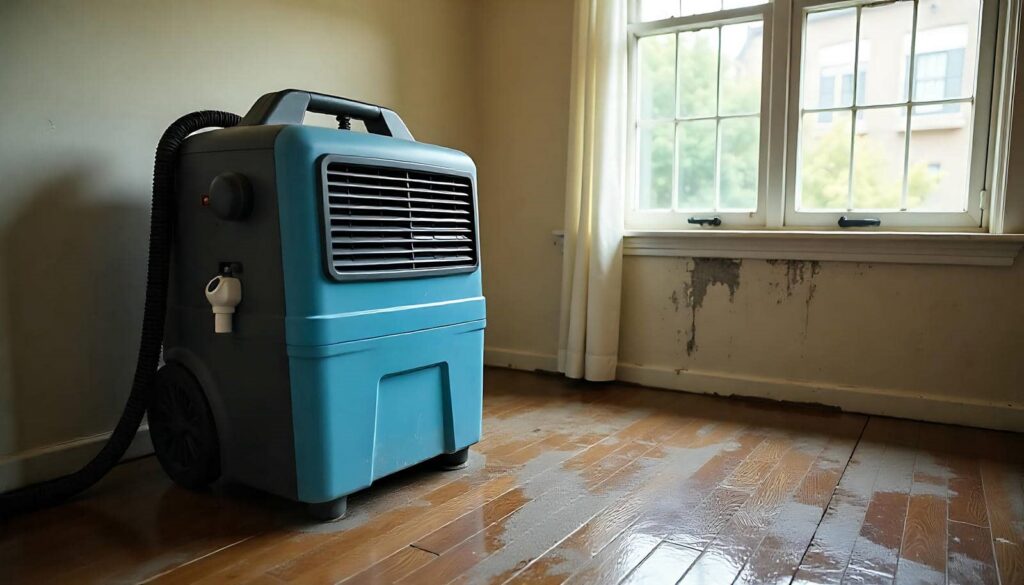
When disaster strikes, how prepared are you to handle the aftermath of a flood? Following a professional flood cleanup guide isn’t just a recommendation; it’s a necessity for safeguarding your property and ensuring your safety. With the right approach, you can effectively assess damage, implement proper cleanup techniques, and prevent future issues like mold growth. Understanding these critical steps can make all the difference in your recovery process. What comes next might surprise you.
Key Takeaways
- Ensures safety and property integrity by evaluating damage and addressing structural issues promptly.
- Provides expert techniques and specialized equipment for thorough water extraction and mold prevention.
- Streamlines the insurance claims process through organized documentation and detailed assessments.
- Reduces health hazards and long-term damage by addressing moisture and contamination effectively.
- Offers peace of mind and adherence to local waste disposal regulations, enhancing recovery efforts.
Understanding the Importance of Professional Flood Cleanup
When you experience a flood, understanding the importance of professional cleanup can be vital for your safety and the integrity of your property.
Flood recovery isn’t just about removing the water; it involves a thorough process that includes evaluating damage, sanitizing affected areas, and preventing mold growth. Professionals bring specialized equipment and expertise to ensure that every aspect of the cleanup is handled efficiently and thoroughly.
Without professional guidance, you risk overlooking hidden moisture, which can lead to structural issues and health hazards. They utilize advanced techniques like thermal imaging and dehumidification to ensure complete drying.
Additionally, experts understand the local regulations for waste disposal and can help minimize your liability. Trusting professionals speeds up recovery and provides peace of mind, knowing that your home is restored properly and safely.
Prioritizing professional flood cleanup is a vital step in reclaiming your space and ensuring long-term safety.
Assessing the Damage: Initial Steps to Take
Before you begin the cleanup process, it’s essential to assess the damage to your property effectively. Start with an initial inspection of affected areas, prioritizing rooms with visible water or structural issues.
Document the damage by taking detailed photographs and noting the extent of water intrusion. Focus on critical components like walls, flooring, and electrical systems, as these often require immediate attention.
Check for mold growth or deterioration, which can escalate if not addressed promptly. As you conduct the damage assessment, make sure you’re methodical—list specific items that need repair or replacement.
This organized approach helps in understanding the full impact of the flood and aids in any insurance claims you may file later. Remember, a thorough assessment sets the foundation for efficient cleanup, making certain you’re prepared for the next steps in restoring your home.
Safety Precautions Before Entering a Flooded Area
As you prepare to enter a flooded area, it’s vital to prioritize your safety and take necessary precautions. Start with a thorough hazard assessment to identify potential dangers, such as submerged debris, hazardous materials, or unstable structures.
Make sure you’re wearing personal protective equipment (PPE), including waterproof boots, gloves, and a mask, to guard against contaminants that may be present in the water.
Before stepping into the area, check for any electrical hazards; never enter standing water near downed power lines. If possible, use a buddy system—having someone accompany you provides support and ensures help is nearby in case of an emergency.
Finally, staying informed about local conditions and heeding warnings from authorities is vital. Taking these precautions can greatly reduce risks and help you navigate safely through the aftermath of flooding.
Water Extraction Techniques Used by Professionals
To effectively remove water from a flooded area, professionals employ various extraction techniques tailored to the specific circumstances of the situation. They often start with submersible pumps, which efficiently remove large volumes of water quickly.
For smaller spaces or residual water, they may use truck-mounted or portable extractors, which use high-powered suction to ensure thorough extraction.
In cases where water is contaminated, professionals might employ specialized vacuum systems designed for hazardous materials. Additionally, they assess the type of surface and materials involved, adjusting their methods accordingly—whether it’s utilizing water extraction mats for carpets or using extraction wands for hard surfaces.
These professional techniques expedite the cleanup process and help prevent further damage and mold growth.
Drying Out the Affected Areas: Methods and Equipment
To effectively dry out the affected areas after a flood, you’ll need to implement a combination of air movement techniques, dehumidification strategies, and surface drying methods.
Start by positioning fans to enhance airflow, which accelerates evaporation.
Next, utilize dehumidifiers to extract moisture from the air and consider specialized surface drying equipment to target wet materials directly.
Air Movement Techniques
When floodwaters recede, efficiently drying out the affected areas is essential to prevent mold growth and structural damage.
Implementing proper airflow management and ventilation techniques can greatly enhance the drying process.
Here are three effective air movement strategies:
Use high-velocity fans to create a strong airflow, directing air across wet surfaces.
Position exhaust fans in windows or openings to expel humid air, allowing drier air to enter.
Open windows and doors when the weather permits to promote natural ventilation.
Dehumidification Strategies
Effective dehumidification is crucial in flood recovery, as it dramatically reduces the moisture content in the air and materials, preventing mold growth and structural damage.
To achieve the best humidity control, you should consider various dehumidifier types. Refrigerant dehumidifiers work best in warm environments, while desiccant dehumidifiers excel in cooler conditions.
Assess the affected area’s size to determine the number of units needed for effective moisture removal. Additionally, ensure proper airflow by strategically positioning dehumidifiers to enhance efficiency.
Monitor humidity levels regularly, aiming for a target range of 30-60% to inhibit mold proliferation.
Surface Drying Methods
As you tackle the aftermath of flooding, employing the right surface drying methods is vital for restoring your space. Effective surface drying techniques can prevent further damage and mold growth.
Here are some important methods and equipment to take into account:
High-velocity fans: These increase airflow, promoting quicker evaporation on surfaces.
Infrared heaters: They provide targeted heat, effectively drying out walls and floors.
Wet/dry vacuums: These extract excess water from carpets and hard surfaces, preparing them for further drying.
Utilizing these effective drying equipment options will ensure a thorough drying process.
Mold Prevention Strategies During Cleanup
To prevent mold growth during flood cleanup, it’s crucial to act swiftly and methodically, as mold can begin to develop within 24 to 48 hours in damp conditions.
Start by removing any standing water and thoroughly drying affected surfaces to eliminate moisture that encourages mold spores to thrive. Use high-capacity fans and dehumidifiers to enhance airflow and reduce humidity levels.
Implement preventive measures such as sealing any cracks or openings in walls and floors to prevent further water intrusion. Use mold-resistant materials whenever possible, especially in areas prone to moisture.
Regularly check and clean HVAC systems to ensure they’re free from mold spores.
Finally, maintain a clean and organized workspace to minimize contamination risk. By following these strategies, you safeguard your property and foster a sense of community by promoting a healthy environment for everyone involved in the cleanup process.
Structural Repairs: What Needs to Be Addressed
While evaluating the damage after a flood, it’s vital to identify and address structural issues that could compromise the safety and integrity of your property.
Begin with a thorough foundation assessment to enure it hasn’t been weakened or shifted. Look for signs of damage, such as:
- Cracks in walls or floors
- Signs of water intrusion or dampness
- Bowed or sagging beams
These indicators can reveal underlying structural concerns that need immediate attention.
If you notice any of these issues, it’s important to consult a professional to assess the structural integrity of your home. They’ll help you determine whether repairs are necessary and guide you in reinforcing your property against future flooding risks.
Addressing these structural repairs promptly ensures your home remains a safe haven for you and your loved ones, fostering a sense of security during challenging times.
Documenting Damage for Insurance Claims
Once you’ve addressed any structural repairs, the next step involves documenting the damage for insurance claims.
Begin with a thorough damage assessment. Capture high-quality photographs of affected areas, focusing on distinct damage, such as water stains, mold, and structural compromises.
Make detailed notes about each room, listing items damaged or destroyed, along with their estimated values. Use a consistent format for your claim documentation, referencing photos and notes to create a complete record.
Gather receipts for any repairs or replacements you’ve already made, as these can bolster your claim’s credibility. If possible, include witness statements or expert evaluations to support your assessment.
Organize all documentation methodically, ensuring it’s easily accessible for your insurance adjuster. This meticulous approach strengthens your claim and fosters a sense of belonging in the community of homeowners managing similar challenges.
The Role of Professionals in Flood Cleanup
When faced with the aftermath of a flood, engaging professionals can greatly enhance the efficiency and effectiveness of your cleanup efforts. Their expertise brings invaluable benefits, ensuring a smoother recovery timeline and minimizing further damage.
Here are some reasons to evaluate professional help:
Expert Techniques: Professionals utilize advanced methods and equipment designed specifically for flood cleanup, ensuring thorough water extraction and drying.
Health and Safety: They assess and mitigate risks related to mold and contaminants, safeguarding your home and family.
Insurance Navigation: They assist in documenting damage and communicating with insurance companies, streamlining your claims process.
Long-term Considerations After a Flood Event
As you navigate the recovery process after a flood, it’s vital to take into account long-term implications that can affect your property and well-being.
Begin by evaluating structural damage and addressing potential mold growth, which can pose health risks if left untreated. It’s important to document all repairs and improvements for insurance purposes and to enhance your property’s value during long-term recovery.
Engaging with community support can markedly aid your journey. Local resources, such as support groups and workshops, can provide valuable information and emotional assistance, helping you feel less isolated.
Additionally, staying informed about future flood prevention measures can safeguard your home and foster resilience against potential disasters.
Frequently Asked Questions
How Much Does Professional Flood Cleanup Typically Cost?
Professional flood cleanup typically costs between $3,000 and $7,000, depending on the extent of damage. Flood cleanup pricing varies by region, but you can expect professional service rates to reflect the necessary expertise and equipment used.
Can I Do Flood Cleanup Myself Instead of Hiring Professionals?
While you can tackle DIY flood cleanup, it’s a treacherous road. Ensure you follow safety precautions, like wearing protective gear. Weigh the risks carefully; sometimes, it’s wiser to let professionals handle the mess.
How Long Does the Flood Cleanup Process Usually Take?
Flood cleanup usually takes one to three weeks, depending on the damage. You’ll navigate through recovery phases, establishing a cleanup timeline that includes assessment, drying, and restoration, ensuring a thorough and efficient process for your space.
What Insurance Covers Flood Cleanup Services?
Think of flood insurance as a safety net. It typically covers flood cleanup services, but you must check your policy’s coverage limits to ensure you’re fully protected against potential costs and damages during restoration.
Are There Any Government Assistance Programs for Flood Damage?
Yes, you can access federal aid and state grants for flood damage. Check with FEMA for assistance programs, and explore local government websites to find specific grants available in your area for recovery efforts.
Summary
Following this professional flood cleanup guide ensures your safety, preserves your property, and simplifies your recovery. By evaluating the damage, implementing effective water extraction, and documenting everything for insurance, you protect yourself against future issues. Engaging professionals speeds up the process and enriches your understanding of necessary repairs. Remember, thorough cleanup, careful attention to detail, and proactive measures now can save you time, stress, and costs down the road.