
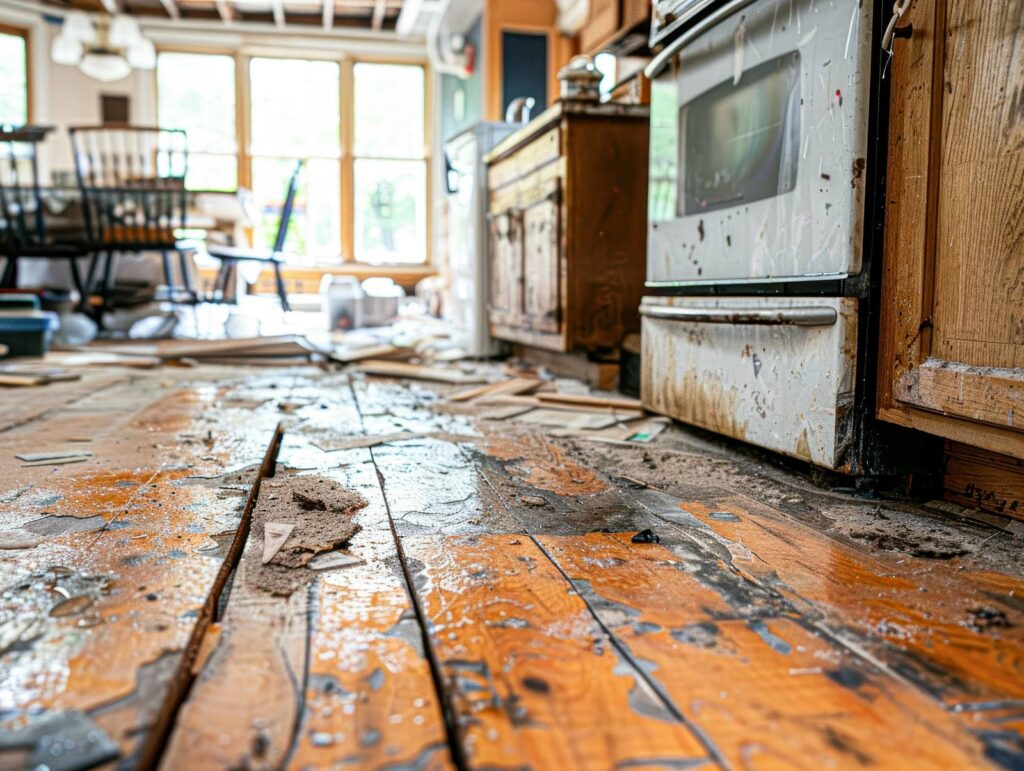
Flood damage can lead to substantial financial loss and emotional distress for homeowners. Understanding your property’s flood risk is essential to implementing effective prevention strategies. By taking proactive measures, such as maintaining your drainage systems and installing protective barriers, you can greatly reduce the likelihood of water intrusion. However, there are several key steps you might overlook that could make all the difference in safeguarding your home.
Key Takeaways
- Assess your home’s flood risk by consulting local flood maps and evaluating historical flooding data in your neighborhood.
- Maintain gutters and downspouts, ensuring they are clear and directing water at least six feet away from your foundation.
- Install a sump pump and regularly test it to ensure it operates effectively during heavy rainfall.
- Seal any foundation cracks and create a comprehensive drainage plan to prevent water entry and manage excess water.
- Landscape your yard with proper grading techniques and native plants to enhance water absorption and direct rainwater away from your home.
Assess Your Home’s Flood Risk
How can you determine if your home is at risk for flooding? Start by examining your location in relation to flood zones. These designated areas indicate the likelihood of flooding based on historical data and environmental factors.
Check local flood maps to see if your property falls within a high-risk area.
Next, conduct a risk evaluation by considering your home’s elevation and drainage. If your home sits in a low-lying area or near water bodies, your risk increases considerably.
Look into the history of flooding in your neighborhood—previous events can be a strong indicator of future risks.
Finally, consult with local experts and agencies for more insights. They can provide valuable information about specific vulnerabilities in your area.
Maintain Gutters and Downspouts
To effectively prevent home flood damage, you need to maintain your gutters and downspouts.
Establishing a regular cleaning schedule, inspecting for damage, and ensuring proper downspout placement are essential steps.
These actions will help direct water away from your home and minimize the risk of flooding.
Regular Cleaning Schedule
While neglecting your gutters and downspouts might seem harmless, it can lead to significant flood damage in your home. Establishing a regular cleaning schedule is essential for effective routine maintenance.
Start by creating a cleaning checklist that outlines tasks like clearing debris, checking for clogs, and ensuring proper water flow. Aim to clean your gutters at least twice a year, ideally in the spring and fall, to prevent buildup.
If you live in an area with heavy rainfall or nearby trees, consider more frequent checks. By staying proactive, you’ll not only extend the lifespan of your gutters but also protect your home from potential flooding.
Inspect for Damage
Inspecting your gutters and downspouts for damage is essential—ideally, you should do this at least twice a year.
During your home inspection, look for cracks, rust, or loose connections that could lead to water pooling around your foundation. A thorough damage assessment will help identify any blockages that may divert rainwater away from your home.
Pay attention to any sagging sections, as these can indicate an overflow risk. Clear debris to guarantee proper drainage and reduce the chance of future issues.
By performing these checks, you can maintain your home’s integrity and prevent costly flood damage.
Proper Downspout Placement
Ensuring your downspouts are properly placed is essential for effective water management around your home. Position your downspouts so they direct water at least six feet away from your foundation. This prevents pooling and potential flooding in your basement.
Consider using downspout extensions to enhance drainage improvement; these can greatly reduce the risk of water accumulating near your home. Regularly inspect your gutters and downspouts for blockages, as even small debris can cause serious issues.
Don’t overlook the importance of maintaining a clear path for runoff. By taking these steps, you not only protect your property but also contribute to a community of homeowners who prioritize effective water management and safeguard their homes from flood damage.
Install a Sump Pump
Installing a sump pump can considerably reduce the risk of water damage during heavy rains or flooding. By choosing the right sump pump types, you’ll guarantee that your home stays dry and protected.
There are two main types: submersible pumps and pedestal pumps. Each has its advantages depending on your needs. Regular sump pump maintenance is essential to keep it functioning efficiently.
Here are some key maintenance tips:
- Check the pump’s power source regularly.
- Clean the sump pit to prevent debris buildup.
- Test the pump periodically to confirm it activates properly.
- Replace the battery backup if applicable, to make sure it works during power outages.
Incorporating a sump pump into your flood prevention strategy not only safeguards your property but also contributes to peace of mind for you and your loved ones.
Seal Foundation Cracks
Sealing foundation cracks is essential for preventing water infiltration and protecting your home from flooding. When you notice cracks in your foundation, it’s important to act quickly. Water can easily seep through these gaps, leading to significant damage over time.
Start by inspecting your foundation regularly for any signs of wear or cracks. Once identified, consider using crack sealing products specifically designed for foundation repair. These solutions create a waterproof barrier that not only prevents water entry but also reinforces the structural integrity of your home.
If the cracks are extensive or if you’re unsure about the DIY approach, it’s wise to consult a professional. They can assess the severity of the damage and recommend the best course of action.
Taking proactive measures like sealing foundation cracks guarantees your home remains a safe and welcoming space, fostering a sense of belonging for you and your loved ones.
Elevate Utilities and Appliances
To effectively prevent flood damage, you should elevate your utilities and appliances on raised platforms.
This not only protects them from water exposure but also guarantees your electrical systems remain secure and operational during adverse conditions.
Taking these proactive measures can greatly reduce the risk of costly repairs and safety hazards.
Install Raised Platforms
Elevating utilities and appliances is a crucial step in safeguarding your home from flood damage. By installing raised platforms, you can minimize the risk of water exposure, ensuring that your essential systems remain operational during adverse conditions.
Consider these key areas for elevation:
Water heaters: Position them on platforms to prevent corrosion and operational failure.
Washers and dryers: Elevate these appliances to protect against flooding.
Furnaces: Installing them on elevated decks keeps them safe from water damage.
Electrical panels: Secure them on raised patios, ensuring they remain accessible and functional.
Taking these proactive measures fosters a sense of community resilience, allowing you to enjoy your home with added peace of mind.
Secure Electrical Systems
Protecting your home from flood damage goes beyond just raising appliances; securing your electrical systems is equally important.
Start by elevating your electrical panels, outlets, and wiring to reduce the risk of water exposure. Installing circuit protection devices can help guard against electrical surges caused by flooding, ensuring your home remains safe.
You should also consider having a licensed electrician assess your current setup, confirming it meets electrical safety codes. This not only protects your investment but also enhances your peace of mind.
Create a Drainage Plan
A well-designed drainage plan is essential for preventing home flood damage and safeguarding your property. By focusing on a proper drainage system, you can enhance water diversion away from your home, reducing the risk of flooding.
Here are key components to take into account when creating your drainage plan:
- Assess your property’s topography to identify natural water flow patterns.
- Install gutters and downspouts to channel rainwater away from the foundation.
- Utilize French drains or dry wells to manage excess water and prevent pooling.
- Regularly maintain your drainage system to guarantee it’s functioning effectively.
Use Flood Barriers
While flooding can occur unexpectedly, using flood barriers effectively minimizes the risk of water intrusion into your home. You’ll find various flood barrier types available, including sandbags, inflatable barriers, and permanent flood walls. Each type has unique advantages, so consider your specific needs and local conditions when selecting the right one.
For effective installation, start by guaranteeing the area around your home is clear of debris.
When using sandbags, stack them in a staggered formation to create a more robust barrier. If you opt for inflatable barriers, check for any leaks before deployment to guarantee full functionality.
Landscape for Water Flow
To effectively manage water flow around your home, you need to contemplate proper grading techniques and the selection of native plants.
Grading your landscape can direct rainwater away from your foundation, reducing the risk of flooding.
Additionally, using native plants can enhance water absorption and minimize runoff, promoting a healthier environment.
Proper Grading Techniques
Effective grading techniques are essential for managing water flow around your home and preventing flood damage. By utilizing proper grading, you can direct water away from your foundation and reduce the risk of erosion.
Consider these key factors when implementing grading techniques:
Slope: Create a gentle slope away from the house, ideally at least 2% grade.
Soil Composition: Use well-draining soil to enhance water absorption and minimize pooling.
Drainage Systems: Incorporate drainage channels or French drains to effectively redirect excess water.
Regular Maintenance: Regularly check and maintain your grading to guarantee it continues to function effectively.
Native Plant Selection
Choosing native plants for your landscape not only enhances the aesthetic appeal of your home but also plays an essential role in managing water flow and preventing flood damage.
Native plants are adapted to local climates, making them highly drought-resistant. By incorporating these plants into your landscape, you can create pollinator gardens that attract beneficial wildlife while improving soil absorption.
Their extensive root systems help stabilize the soil, reducing erosion and allowing water to flow naturally away from your home.
When selecting plants, consider species that thrive in your area’s soil and moisture conditions. By making thoughtful choices, you’ll foster a vibrant ecosystem, contribute to local biodiversity, and safeguard your property against potential flood damage.
Purchase Flood Insurance
Purchasing flood insurance is an essential step for homeowners in flood-prone areas, as it provides financial protection against water damage.
Many might underestimate the risks, but investing in flood insurance could save you from significant losses. Understanding the flood insurance benefits and various policy coverage options guarantees you choose the right plan for your needs.
Consider these key points when selecting your flood insurance:
- Coverage Limits: Know the maximum amount your policy will cover for damages.
- Deductibles: Understand the out-of-pocket costs you’ll face before insurance kicks in.
- Exclusions: Be aware of what isn’t covered, such as certain types of water damage.
- Waiting Period: Keep in mind that most policies have a waiting period before they become effective.
Develop an Emergency Plan
When floodwaters rise, having a well-thought-out emergency plan can be the difference between safety and disaster. Start by identifying your emergency contacts make a list of family members, friends, and local authorities who can assist during a crisis. Make sure everyone in your household knows how to reach these contacts quickly.
Next, map out your evacuation routes. Familiarize yourself with the safest paths to higher ground, and practice these routes with your family. It’s crucial to take into account alternative routes in case of road closures.
Additionally, prepare an emergency kit that includes essentials like water, snacks, first aid supplies, and important documents. Regularly review and update your plan to accommodate changes in your family structure or local infrastructure.
Frequently Asked Questions
How Do I Know if My Home Is in a Flood Zone?
To know if your home’s in a flood zone, check flood zone maps and conduct a flood risk assessment. These resources reveal your property’s susceptibility to flooding, helping you make informed decisions for your home.
What Type of Flood Insurance Is Best for My Property?
The best flood insurance for your property depends on your needs. Evaluate flood policy options like National Flood Insurance Program and private insurers. Make certain you choose the right insurance coverage types to protect your home effectively.
Can Plants Help Prevent Home Flooding?
Yes, plants can help prevent home flooding by enhancing drainage systems and improving soil absorption. Their root systems stabilize soil, reducing runoff and allowing water to soak in, which can markedly decrease flood risks around your property.
How Often Should I Test My Sump Pump?
You should test your sump pump seasonally because who doesn’t love a surprise flood? Regular sump pump maintenance guarantees it works when you need it most. Trust me, your basement will thank you for it!
What Should I Include in My Emergency Flood Kit?
Include waterproof containers for critical documents, a flashlight, batteries, non-perishable food, water, medications, a first-aid kit, and a multi-tool. These essential supplies guarantee you’re prepared and safe during a flood emergency.
To Sum Up
By taking these proactive measures, you’re not just safeguarding your home; you’re fortifying your own version of a modern-day Ark against potential floods. Just as Noah prepared for the unexpected, you too can mitigate risks and protect what matters most. Remember, flood damage can strike without warning, but with careful planning and preparation, you can navigate the stormy seas of uncertainty. Don’t wait for the clouds to gather act now to secure your peace of mind.