
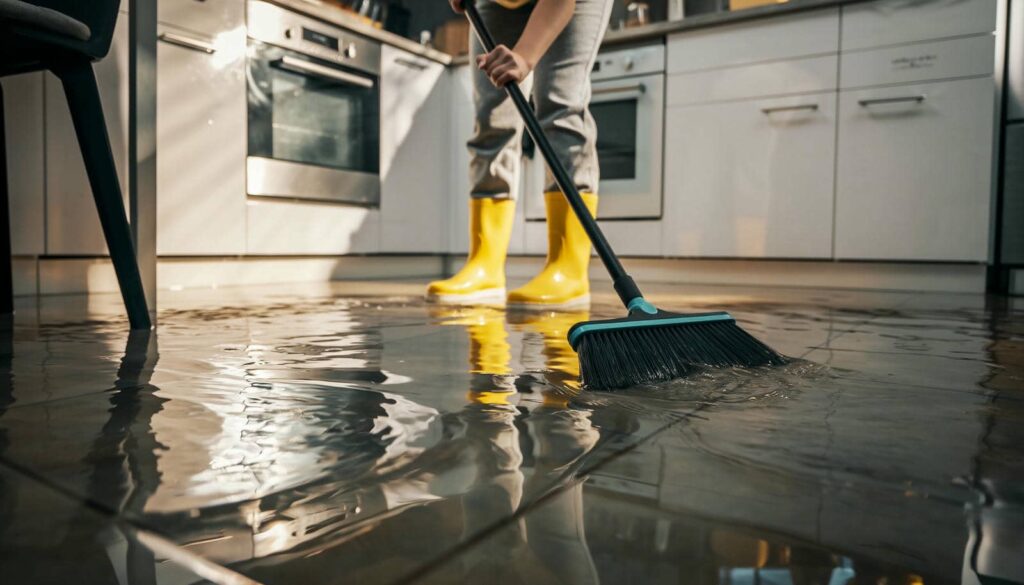
When water intrusion occurs in your home, it’s vital to act swiftly to minimize damage. You need to assess the water removal situation and shut off utilities to prevent further complications. Using a wet/dry vacuum can provide immediate relief, but larger volumes may require pumps for effective extraction. Various absorbent materials and equipment can aid in the drying process, but knowing the right techniques is fundamental. Let’s explore the most effective methods to ensure a thorough response.
Key Takeaways
- Identify the source of water intrusion and turn off utilities to prevent further damage and ensure safety.
- Use wet/dry vacuums to efficiently extract standing water from various surfaces.
- Employ pumps positioned at the lowest point to maximize water removal using gravity.
- Utilize absorbent materials and strategically placed dehumidifiers to expedite drying processes.
- Combine fans and dehumidifiers to enhance airflow and achieve effective moisture removal.
Assessing the Situation
Before you rush into action, it’s vital to assess the situation thoroughly. Start with an initial assessment to identify the source of the water intrusion. Is it a burst pipe, flooding, or a leak? Knowing the cause will guide your next steps.
Once you’ve identified the source, conduct a damage evaluation to determine the extent of the impact. Check for standing water, wet materials, and structural damage. Pay close attention to areas like basements, crawl spaces, and corners where water tends to accumulate.
Document your findings, as this information can be critical for insurance claims. Remember, acting hastily can lead to more damage and potential health risks. By taking the time to evaluate the situation, you’ll ensure that your response is effective and that you protect your home and belongings.
Turning Off Utilities
One of the first steps to take during a water emergency is turning off utilities to prevent further hazards. This is essential for ensuring utility safety and minimizing risks like electrical shock or gas leaks.
Start by locating your main power switch; usually, it’s near your circuit breaker. Turn it off to cut electricity to the affected areas. Next, find your water main valve, typically located in the basement or near the foundation, and close it to stop any additional flooding.
If you smell gas, evacuate immediately and contact your utility provider without using any electrical devices. Following these emergency procedures helps protect both your home and your well-being.
Always keep your utility shut-off locations accessible and inform family members about these procedures; preparedness can make a noteworthy difference in stressful situations. Taking these actions swiftly can greatly reduce damage and enhance safety during a water emergency.
Using Wet/Dry Vacuums
After securing your utilities, the next step in managing a water emergency is employing a wet/dry vacuum. This tool can effectively remove excess water, but you need to confirm proper wet/dry vacuum maintenance for peak performance.
Here’s how to use it efficiently:
Select Peak Suction Settings: Adjust the vacuum to match the water level and surface type. Higher settings work better for deeper water.
Check Filters: Confirm the vacuum’s filters are clean and functional to maximize suction.
Position the Vacuum Properly: Place the vacuum at a lower point in the affected area to draw water effectively.
Empty Frequently: Regularly empty the vacuum’s tank to maintain suction power and avoid overflow.
Employing Pumps for Water Extraction
When facing significant water accumulation, using pumps can be an effective solution for extraction.
You’ll want to understand the various types of water pumps available, along with the proper techniques for operating them safely.
Prioritizing safety precautions during use is essential to ensure both your well-being and the effectiveness of the water removal process.
Types of Water Pumps
If you’re faced with a water emergency, selecting the right type of pump can greatly impact the efficiency of your extraction efforts.
Here are four common types of water pumps you should consider:
Submersible Pumps: Designed to operate underwater, these pumps efficiently remove water from flooded areas.
Sump Pumps: Typically installed in basements, sump pumps help keep your space dry by removing accumulated water.
Trash Pumps: Ideal for debris-filled water, these pumps can handle solids, making them perfect for more severe floods.
Utility Pumps: Lightweight and portable, utility pumps are versatile and can be used for various home water removal tasks.
Choosing the right pump ensures you tackle the water emergency effectively, protecting your home from further damage.
Pumping Techniques Explained
Effective water extraction requires more than just the right pump; it also involves employing the correct techniques to maximize efficiency.
Start by positioning your pump at the lowest point to allow gravity to assist in the process. Utilize a suction hose that fits snugly to minimize air leaks, which can reduce effectiveness.
When dealing with large volumes of water, consider a two-pump system: one for initial heavy extraction and another for fine-tuning. Monitor the pump’s performance regularly, adjusting as needed to maintain ideal flow.
Finally, verify the discharge hose directs water away from your home, preventing further flooding.
Safety Precautions During Use
While you’re focused on removing water efficiently, prioritizing safety during the process is essential.
Employing pumps for water extraction can pose risks, so adhere to these personal protective equipment guidelines:
Wear waterproof boots to prevent slips and electrical hazards.
Use gloves to protect your hands from contaminants and sharp objects.
Don safety goggles to shield your eyes from debris and splashes.
Ensure proper ventilation in the area to avoid mold growth and inhalation of harmful fumes.
Utilizing Absorbent Materials
When tackling water removal, using absorbent materials can greatly enhance your efforts.
You’ll find various types available, each suited for different situations, and applying them effectively is vital for ideal results.
Once saturated, proper disposal of these materials is essential to prevent further complications.
Types of Absorbent Materials
Choosing the right absorbent materials can make a significant difference in your water removal efforts.
Understanding the various absorbent types helps you select the most effective solution for your situation.
Here are four commonly used materials:
Cotton Towels – Highly absorbent and useful for smaller spills.
Microfiber Cloths – Excellent for trapping moisture and dirt, making them effective for detailed work.
Sponge – Ideal for soaking up water in tight spaces due to their flexibility and absorption capacity.
Absorbent Pads – Designed specifically for spills, these pads can quickly soak up large volumes of water.
Effective Application Techniques
To maximize the effectiveness of your absorbent materials, it’s vital to apply them correctly.
Start by ensuring the affected area is clear of debris and standing water, as this enhances moisture detection. Lay down your absorbent materials evenly, focusing on high-moisture zones.
For advanced drying, consider layering multiple materials for increased absorption capacity. Monitor their saturation levels regularly; replace them as needed to maintain ideal performance.
Additionally, utilize fans or dehumidifiers alongside absorbents to expedite the drying process.
By effectively applying absorbent materials, you speed up water removal and reduce the risk of mold growth, creating a safer environment for you and your family.
Disposal of Saturated Materials
Proper disposal of saturated materials is essential to prevent further damage and health risks in your home.
Neglecting this step can lead to mold growth and structural issues. Here are effective disposal methods you should consider:
Identify: Separate saturated materials like carpets, drywall, and insulation that are beyond repair.
Contain: Use plastic bags or containers to store these items securely, minimizing any risk of contamination.
Dispose: Check with local regulations for proper disposal sites or bulk waste collection services.
Document: Take photos for insurance claims, ensuring you have a record of the damaged materials.
Setting Up Dehumidifiers and Fans
Once you’ve assessed the extent of water damage in your home, setting up dehumidifiers and fans effectively becomes crucial in preventing mold growth and structural issues.
Start by strategically placing dehumidifiers in the most affected areas, ideally near sources of moisture. This ensures ideal dehumidifier placement, maximizing moisture extraction. Make sure to set the dehumidifiers to a low humidity level to enhance their efficiency.
Next, position fans to create a cross-ventilation effect. Place them facing outward to push damp air outside and draw in drier air. Adjust the fan speed based on your drying needs; higher speeds are beneficial in the initial stages for quick evaporation, while lower speeds can be used later to maintain airflow without overwhelming the environment.
Combining these techniques will greatly expedite the drying process, helping you restore your home to a safe and comfortable state.
Calling in Professional Help
While you might feel tempted to tackle water damage on your own, calling in professional help can be essential for effectively addressing severe cases.
Emergency services can provide you with the expertise needed to mitigate further damage. Here’s what you can expect from a professional assessment:
Thorough Inspection: Experts assess the extent of water damage, identifying hidden moisture that you may overlook.
Advanced Equipment: Professionals use specialized tools, such as moisture meters and industrial-grade dehumidifiers, to ensure complete water removal.
Mold Prevention: They implement strategies to prevent mold growth, which can pose health risks and lead to costly repairs.
Insurance Liaison: Professionals can assist in managing insurance claims, making certain you receive the support you need.
Frequently Asked Questions
How Can I Prevent Future Water Damage in My Home?
You can prevent future water damage by investing in waterproofing solutions and performing routine maintenance. Regularly check for leaks, clean gutters, and ensure proper drainage to protect your home from potential water-related issues.
What Safety Precautions Should I Take During Water Removal?
When tackling water removal, wear safety gear like rubber boots and gloves. Always check for electrical hazards first—imagine stepping in water and getting shocked. Prioritize your safety to effectively handle the situation without risk.
How Long Will It Take to Dry My Home Completely?
It usually takes 3 to 7 days to dry your home completely, depending on the drying process and equipment used. Proper ventilation and dehumidifiers greatly speed up this timeline, ensuring a thorough and effective drying.
Can I Use My Insurance for Water Removal Costs?
Yes, you can use your insurance for water removal costs if your policy covers water damage. Review your insurance coverage details carefully, and contact your provider to understand the claims process and any necessary documentation.
What Are the Signs of Mold Growth After Water Damage?
You’ll notice mold indicators like a musty smell, discoloration on walls, or fuzzy growths on surfaces during post-water assessments. Keep an eye out for these signs to address potential mold issues promptly and effectively.
Summary
In the face of water intrusion, acting swiftly is like racing against time to save your home. By evaluating the situation, turning off utilities, and employing effective removal techniques, you can mitigate damage and protect your investment. Wet/dry vacuums and pumps work tirelessly to extract water, while absorbent materials and dehumidifiers speed up the drying process. If the waters rise beyond your control, don’t hesitate to call in professionals. Your proactive steps today can safeguard your home from tomorrow’s mold and decay.