
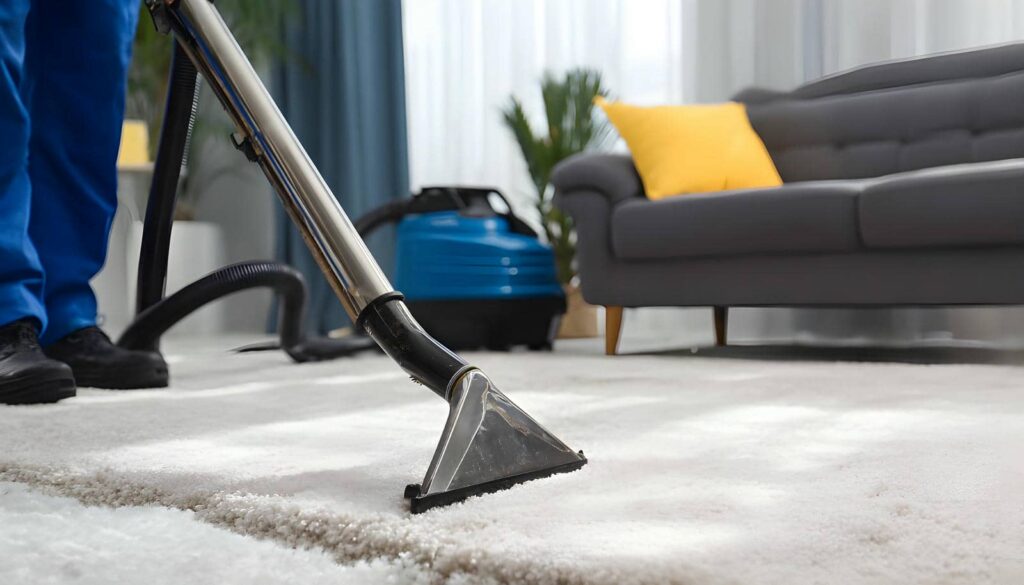
Water is like a double-edged sword; it can sustain life or wreak havoc in your home. When faced with flooding, the urgency of swift and effective water extraction can’t be overstated. Professional services utilize advanced equipment to tackle significant water damage, while DIY methods might suffice for minor issues. Understanding your options is essential as you navigate the complexities of water damage restoration and prevention strategies that can safeguard your home for the future.
Key Takeaways
- Timely water extraction is critical to prevent structural damage and mold growth in homes after flooding or leaks.
- Professional services utilize advanced equipment like submersible pumps and industrial dehumidifiers for efficient water removal and drying.
- DIY techniques include using wet/dry vacuums, mops, and dehumidifiers for minor water issues, with safety gear for contaminated water.
- Preventative measures, such as installing flood barriers and maintaining drainage systems, can reduce future flooding risks.
- Research and compare restoration companies based on reviews, quotes, certifications, and experience to ensure quality service.
Understanding the Importance of Timely Water Extraction
When a water emergency occurs, understanding the importance of timely water extraction can greatly mitigate damage to your property. Rapid response is essential; every moment counts when dealing with water damage. Delaying extraction can lead to structural issues, mold growth, and costly repairs.
You’ll want to act quickly to protect your belongings and maintain a safe environment. Emergency response teams utilize specialized equipment to remove water efficiently, minimizing long-term effects.
They assess the situation, identify the source of the water intrusion, and implement strategies tailored to your specific needs. By prioritizing immediate extraction, you reduce the extent of damage and preserve the integrity of your home.
Professional Water Extraction Services
Professional water extraction services are vital in effectively managing water damage emergencies. When you face flooding or leaks, immediate action is imperative.
These professional services utilize advanced equipment, such as submersible pumps and industrial-grade dehumidifiers, to quickly remove water from your home. Their expertise ensures that all affected areas are addressed, preventing long-term damage such as mold growth and structural issues.
Technicians are trained to assess the situation accurately, developing a tailored plan for efficient water extraction and drying. They follow industry standards and safety protocols to protect your property and health.
By relying on professional services, you expedite the restoration process and gain peace of mind knowing that qualified experts are handling your emergency.
In times of crisis, connecting with reliable water extraction professionals can make all the difference in restoring your home and your sense of security.
DIY Water Extraction Techniques
When facing water damage, it’s essential to assess the extent of the issue before starting any extraction.
You can effectively use household tools like wet/dry vacuums and mops to tackle smaller amounts of water.
Understanding the damage will guide your approach and ensure that you utilize the right tools for effective extraction.
Assessing Water Damage
Although water damage can be challenging, evaluating the extent of the problem is essential before attempting any DIY extraction techniques.
Start with a thorough water damage assessment, identifying affected areas, including walls, floors, and furnishings. Look for discoloration, warping, or mold growth, which indicates deeper issues.
Next, conduct a structural integrity evaluation to ensure that your home’s framework remains sound. Check for sagging ceilings or buckling floors, as these may signal significant damage.
Document your findings, as this will guide your extraction efforts. By understanding the severity of the water damage, you can prioritize your actions effectively, securing a safer and more efficient recovery process for your home and loved ones.
Using Household Tools
Once you’ve assessed the water damage and identified the affected areas, it’s time to utilize household tools for extraction.
Start with a wet/dry vacuum; it’s one of the most effective household items for removing water quickly. If you don’t have one, a mop and bucket can serve as a quick fix to soak up excess water.
For carpets, consider using towels to absorb moisture, then press them firmly into the fabric. Dehumidifiers and fans can further help by circulating air and reducing humidity.
If the water is contaminated, don’t forget to wear gloves and a mask for safety.
Essential Equipment for Effective Water Removal
To effectively remove water from affected areas, you’ll need specialized equipment tailored for the task.
Pumps are essential for rapid water removal, while dehumidifiers are critical for drying out remaining moisture.
Additionally, moisture meters help you assess the extent of water damage, ensuring a thorough approach to restoration.
Pumps for Water Removal
When faced with water emergencies, having the right pumps for water removal is vital for efficient and effective extraction.
Submersible pumps are particularly valuable, as they can operate underwater, quickly removing large volumes of water from flooded areas. These pumps are designed for durability, ensuring they handle challenging conditions without fail.
On the other hand, portable pumps offer versatility and convenience, allowing you to easily move them to different locations as needed. Their lightweight design means you can quickly set them up to tackle smaller leaks or localized flooding.
Investing in both types of pumps ensures you’re prepared for any situation, fostering a sense of security and community in handling water damage effectively.
Dehumidifiers for Drying
While pumps are essential for immediate water removal, dehumidifiers play an important role in the drying process that follows.
You’ll find various dehumidifier types suited for different situations, including refrigerant and desiccant models. Refrigerant dehumidifiers are generally more energy-efficient in warm environments, while desiccant units excel in cooler settings.
By choosing the right type, you’ll enhance moisture removal, protect your home from mold, and increase air quality. When selecting a dehumidifier, consider the unit’s energy efficiency, as this can greatly impact your utility bills over time.
Remember, effective drying relies on combining dehumidification with proper ventilation, so make sure to strategize your approach for best results.
Investing in quality dehumidifiers is essential for a successful recovery after water damage.
Moisture Meters for Assessment
Following the drying process, accurate assessment of moisture levels is crucial to ensure complete water removal and prevent future damage.
Utilizing moisture meters enhances your damage assessment capabilities, allowing you to pinpoint residual moisture effectively. Here’s why incorporating moisture measurement is essential:
- Precision: Moisture meters provide exact readings, ensuring no damp spots are overlooked.
- Speed: Quickly identify problem areas, facilitating faster remediation.
- Prevention: Regular monitoring helps prevent future mold growth and structural issues.
Investing in quality moisture meters will empower you to make informed decisions about your water extraction efforts.
Preventative Measures to Avoid Future Flooding
To mitigate the risk of future flooding, implementing a series of preventative measures is crucial. Start by installing flood barriers around your property. These physical barriers can greatly reduce water intrusion during heavy rainfall or storms.
Additionally, verify that your drainage systems are functioning at their best. Regular maintenance, including clearing out debris and checking for blockages, can enhance their effectiveness in channeling water away from your home.
You should also consider grading your yard to direct water flow away from your foundation. This helps prevent pooling that can lead to structural issues.
If you’re in an area prone to flooding, investing in sump pumps can provide an extra layer of protection by removing excess water before it can cause damage.
The Role of Dehumidifiers in Water Damage Restoration
As moisture lingers in the aftermath of water damage, dehumidifiers play a critical role in restoring your space to a safe, dry condition. Effective humidity control is essential to prevent mold growth and structural damage.
Understanding the different dehumidifier types can help you choose the right one for your needs:
- Refrigerant Dehumidifiers: Ideal for warmer climates, these use cooling coils to condense moisture.
- Desiccant Dehumidifiers: Best for colder areas, they absorb moisture using desiccant materials.
- Whole-House Dehumidifiers: These integrate with your HVAC system, providing consistent humidity control throughout your home.
Selecting the appropriate dehumidifier type enhances the efficiency of your restoration efforts.
By actively managing humidity, you’ll protect your property and ensure a healthier living environment for you and your loved ones.
Make dehumidifiers a priority in your water damage recovery process.
Choosing the Right Water Damage Restoration Company
How can you ensure you’re hiring the right water damage restoration company? Start by researching reviews from previous clients. This gives you insight into their reliability and quality of service.
Look for companies with consistently positive feedback, as well as those that respond effectively to negative reviews.
Next, compare quotes from at least three different companies. A detailed estimate should outline services, timelines, and costs, helping you identify any hidden charges.
Be wary of unusually low bids; they may indicate compromised service quality.
Ensure that the company employs certified technicians familiar with industry standards.
Also, check for insurance and licensing to protect yourself from potential liabilities.
Frequently Asked Questions
How Long Does It Take to Fully Extract Water From a Home?
It typically takes 1 to 3 days for the water extraction timeline, followed by an additional few days for the complete drying process. Factors like water volume and materials greatly influence these durations.
What Insurance Covers Water Extraction Services?
Your homeowners’ insurance typically covers water damage, but it’s crucial to check your policy details. Many plans include coverage for water extraction services, so filing insurance claims promptly can help mitigate your losses effectively.
Can I Stay in My Home During Extraction?
You shouldn’t stay in your home during water extraction. Prioritize your safety; the process can expose you to hazards like mold and electrical issues. Verify the area’s security before returning once professionals confirm it’s safe.
How Can I Identify Hidden Water Damage?
You can identify hidden water damage by inspecting for hidden leaks and using moisture detection tools. Look for discolored walls, warped floors, or musty odors, as these often indicate moisture problems lurking out of sight.
What Are the Health Risks of Stagnant Water?
Stagnant water poses significant health risks, including exposure to waterborne pathogens and accelerated mold growth. You’re at risk for respiratory issues, skin irritations, and gastrointestinal problems, so addressing standing water promptly is essential for your safety.
Wrap-Up
So, if you think you can just let that pesky flood sit around while you sip your coffee, think again! Ignoring timely water extraction is like inviting mold to your home-warming party. Whether you’re battling a minor leak or a deluge, swift action is essential. Embrace professional services with their fancy equipment, or risk turning your home into a damp museum. Remember, a dry home is a happy home—unless you enjoy living in a swamp!