
When facing the aftermath of a flood, it’s essential to approach cleanup methodically. You’ll need to assess the damage carefully and prioritize safety to protect yourself and your property. Understanding the right water extraction techniques and the importance of drying and sanitizing affected areas can make a significant difference. Yet, many overlook important steps that can prevent future incidents. Let’s explore how to navigate these challenges effectively.
Key Takeaways
- Begin with a thorough damage assessment and documentation, including key indicators and photographic evidence for insurance claims.
- Ensure safety during cleanup by wearing PPE and consulting professionals for electrical safety.
- Utilize effective water extraction techniques such as submersible pumps and wet/dry vacuums to minimize damage.
- Clean and sanitize affected areas with eco-friendly solutions while maintaining proper ventilation and humidity control.
- Engage with insurance providers and consider hiring a public adjuster to navigate claims and ensure fair settlements.
Assessing the Damage
How do you begin to evaluate the damage after a flood? Start by identifying key damage indicators in your home and property. Check for water stains, warped floors, and mold growth, as these reveal the extent of water intrusion.
Document everything with photos or notes; this’ll help you understand the financial implications later. Look at your appliances, furniture, and personal belongings—if they’re damaged beyond repair, you’ll need to factor in replacement costs.
Make a checklist of what’s salvageable and what’s not, and don’t hesitate to reach out to professionals for an expert opinion when needed.
Ensuring Safety First
After evaluating the damage, your next step involves prioritizing safety. Before diving into cleanup, take essential safety precautions to protect yourself and others.
Start by ensuring your electrical systems are safe; if in doubt, consult a professional. Wear personal protective equipment (PPE) like gloves, boots, and masks to shield yourself from contaminants and hazardous materials.
It’s vital to be aware of slippery surfaces and sharp objects that could pose risks during cleanup. Establish a safe working area and communicate with your team to avoid accidents.
If you’re dealing with mold or sewage, consider additional protective gear.
Lastly, maintain a clear path for emergency exits and stay hydrated. Remember, your well-being is paramount.
Water Extraction Techniques
Once you’ve ensured everyone’s safety, the next critical step is effective water extraction. This is where you’ll focus on employing the right water removal methods to protect your property and belongings.
Here are three essential techniques to evaluate:
Submersible Pumps: Ideal for deeper water, these pumps can quickly remove large volumes of water from your space.
Wet/Dry Vacuums: Useful for smaller areas, these vacuums can handle both liquid and solid debris, making them versatile for flood recovery strategies.
Flood Pumps: Specifically designed for high-capacity removal, flood pumps work efficiently in severe conditions, ensuring you minimize damage.
Drying and Dehumidification
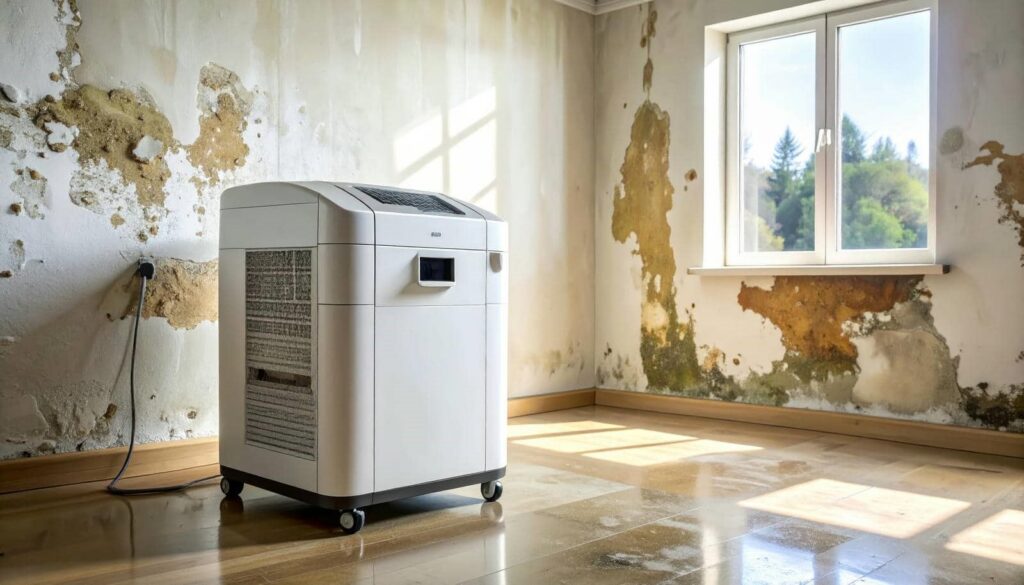
Once you’ve extracted the water, it’s essential to focus on drying and dehumidification to prevent mold growth and structural damage.
You’ll need to utilize specialized equipment like dehumidifiers and air movers, ensuring you place them strategically for maximum effectiveness.
Additionally, measuring moisture levels in various materials will help you determine when your space is truly dry and safe.
Equipment Utilization Techniques
When tackling flood cleanup, efficiently utilizing drying and dehumidification equipment is crucial to prevent further damage and mold growth.
Here are three key techniques to keep in mind:
Equipment Selection Criteria: Choose high-capacity dehumidifiers and air movers that suit the size of the affected area. This ensures ideal moisture removal and airflow.
Placement: Position air movers to create a circular airflow pattern, directing moisture toward dehumidifiers for effective drying.
Maintenance Practices: Regularly check filters and drainage systems to maintain peak performance.
Clean equipment after use to ensure longevity.
Moisture Measurement Methods
Effective drying and dehumidification hinge on accurate moisture measurement methods. You’ll want to utilize moisture sensors and moisture meters to assess the dampness in your space accurately.
These devices provide real-time data, allowing you to pinpoint areas needing attention. When using moisture meters, make sure you take readings at various depths and locations to get a thorough understanding of moisture distribution.
Moisture sensors can help monitor ongoing conditions, alerting you if humidity levels rise again. This proactive approach ensures that you’re drying effectively and preventing future issues.
Cleaning and Sanitizing Affected Areas
Once you’ve assessed the extent of the damage, you need to choose the right cleaning solutions to effectively tackle contaminants.
It’s essential to ensure proper drying techniques are in place to prevent mold and bacterial growth.
Assessing Damage Extent
How can you accurately assess the extent of damage after a flood?
Start by identifying flood types, as each can cause different levels of destruction.
Next, look for key damage indicators in your space. Here’s a quick checklist to guide you:
Visual Inspection: Examine walls, floors, and ceilings for discoloration, warping, or mold growth.
Odor Detection: Notice any musty smells, which can indicate hidden moisture or mold.
Structural Integrity: Check for cracks or instability in foundations, beams, and support structures.
Choosing Proper Cleaning Solutions
As you prepare to clean and sanitize areas affected by floodwaters, it’s essential to choose the right cleaning solutions to ensure thorough decontamination and prevent future issues.
Opt for eco-friendly solutions that effectively eliminate mold, bacteria, and other contaminants without harming the environment. Look for products with natural ingredients that are safe for your family and pets.
Always prioritize chemical safety by reading labels and following manufacturer instructions carefully. Consider using diluted vinegar, baking soda, or specialized eco-friendly cleaners to tackle tough stains and odors.
Ensuring Effective Drying Techniques
After selecting the right cleaning solutions, it’s time to focus on effective drying techniques to ensure that affected areas are thoroughly dried and sanitized.
Proper drying is essential in preventing mold growth and making certain your space feels like home again. Here are three key steps you should follow:
Implement effective ventilation: Open windows and doors to promote air circulation. Use fans or dehumidifiers to expedite the drying process.
Install moisture barriers: Use plastic sheeting in areas prone to dampness to prevent further moisture intrusion.
Monitor humidity levels: Regularly check humidity with a hygrometer to make sure it stays below 60%, promoting a healthier environment.
Repairing Structural Damage
While the aftermath of a flood can be overwhelming, addressing structural damage is essential for restoring your home’s safety and integrity. Start by evaluating the affected areas; look for signs of compromised structural integrity, such as sagging beams or warped walls. Document the damage thoroughly for insurance purposes.
Once you’ve identified the issues, choose appropriate repair materials. Using high-quality, water-resistant materials can ensure lasting repairs. For instance, opt for treated wood or steel reinforcements where necessary.
Don’t forget to consult a professional if the damage is extensive; their expertise can guide you in making the right repairs that meet local building codes.
As you begin this journey, remember that restoring your home isn’t just about fixing walls—it’s about rebuilding your sense of safety and belonging. Take each step thoughtfully, and soon, your home will be a safe haven once again.
Preventing Future Flooding
To effectively prevent future flooding, it’s essential to assess and address the vulnerabilities around your property.
Start by evaluating your drainage systems; ensure they’re clear and functioning properly. Clogged or damaged drainage can lead to significant water accumulation.
Next, consider landscape grading. Proper grading directs water away from your home’s foundation, minimizing flood risks.
Here are three key steps you can take:
- Install or maintain drainage systems: Regularly check gutters and downspouts to ensure they’re directing water efficiently.
- Implement landscape grading: Grade your yard to slope away from your home, creating a natural barrier against water intrusion.
- Create rain gardens: These absorb excess water and help manage runoff, providing an eco-friendly solution.
Working With Insurance Companies
Maneuvering the complexities of insurance claims after a flood can feel overwhelming, but understanding the process is essential for securing the support you need. Start by reviewing your policy coverage carefully; knowing what’s included helps you advocate for yourself effectively.
Document every damage detail with photos and written accounts, as this evidence will support your claim process.
When you contact your insurance company, provide thorough information about the damage and your cleanup efforts. Be proactive in following up on your claim, keeping records of all communications.
If you encounter delays or denials, don’t hesitate to ask for clarification—this is your right.
Engaging with a public adjuster can also be beneficial; they can help ensure you receive a fair settlement.
Frequently Asked Questions
How Much Does Professional Flood Cleanup Typically Cost?
Professional flood cleanup typically costs between $3,000 to $8,000, depending on various cost factors like damage extent, location, and necessary equipment. Understanding cleanup pricing helps you prepare for this challenging situation with clarity and support.
Can I Handle Flood Cleanup Myself?
You can tackle flood cleanup yourself, but remember, it’s like steering through a stormy sea. Prioritize flood safety, gather the right cleanup equipment, and don’t hesitate to seek help from those who understand your journey.
What Types of Insurance Cover Flood Damage?
Flood insurance options, like National Flood Insurance Program (NFIP) policies, cover damage from rising water. However, be aware of policy limitations, such as exclusions for certain structures. Always review your coverage to ensure it meets your needs.
How Long Does the Entire Cleanup Process Take?
The entire cleanup process typically takes a few days to weeks, depending on the cleanup timeline and restoration factors like damage severity and equipment availability. You’ll feel relieved as your space returns to normal.
Are There Specific Certifications for Flood Cleanup Professionals?
Yes, flood cleanup professionals often hold specialized flood restoration certifications. These credentials come from rigorous cleanup training programs, ensuring they’re equipped to handle the most challenging situations, giving you peace of mind during turbulent times.
Recap
In the aftermath of a flood, think of it as a chance to renew and refresh your space. By following the steps outlined in this guide, you’ll restore your home and fortify it against future storms. Remember, it’s not just about cleaning up; it’s about rebuilding your sanctuary with care and precision. As you engage with professionals and navigate insurance, you’re taking proactive steps toward a brighter, more resilient future.