
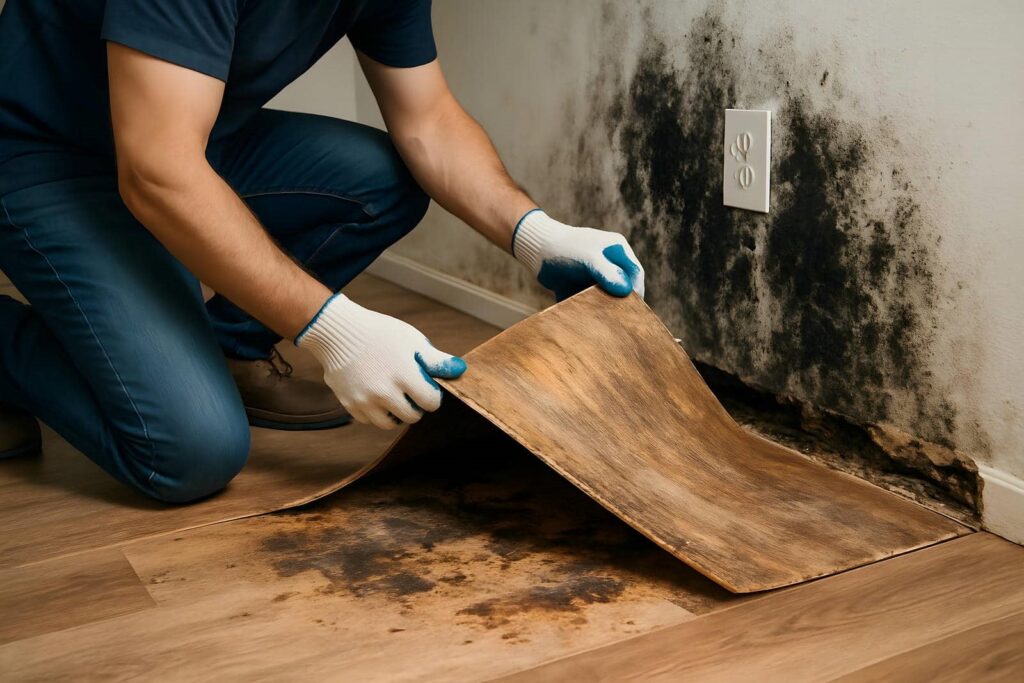
When water decides to make an unexpected visit, it can create quite a mess. It’s vital to act swiftly and systematically to minimize damage and ensure safety. Start by evaluating the situation and addressing any immediate hazards. Knowing the right steps to take can greatly impact the outcome of your emergency water removal response. Let’s explore the essential tips that can guide you through this challenging situation.
Key Takeaways
- Assess the situation by checking for standing water and determining the type of water involved before starting the removal process.
- Use pumps and wet vacuums to efficiently remove water, selecting the right equipment for the amount of water present.
- Prioritize the removal of valuable and sentimental items to minimize losses during the emergency.
- Ensure safety by shutting off electricity and gas, wearing protective gear, and avoiding contact with electrical appliances.
- Document all damage with photos for insurance claims and consider contacting professionals for effective water mitigation and restoration.
Assess the Situation Quickly
How do you effectively assess a water emergency? Start with a quick evaluation of the affected area.
Identify where the water damage is most severe and determine the source of the leak. Check for standing water, dampness, or structural integrity issues. It’s essential to act fast; delays can lead to increased damage and mold growth.
Next, consider the type of water involved—clean, gray, or black—since it’ll affect your response strategy. If it’s clean water from a burst pipe, you might have more time than if it’s contaminated.
Look for valuables that can be moved to higher ground, reducing potential loss.
Finally, document the damage with photos for insurance purposes. This swift assessment helps address the current situation and prepares you for the next steps in the water removal process.
Stay calm and focused; your quick actions can make a significant difference.
Turn Off Electricity and Gas
Once you’ve assessed the situation, the next step is to turn off the electricity and gas to prevent further hazards. This vital safety precaution protects you and your property from potential fire risks or electrical shock during water removal.
Locate the utility shutoff valves; the main electric panel is usually in your basement or garage, while the gas shutoff valve is typically near the gas meter.
Before you proceed, make sure you’re wearing rubber-soled shoes and stand on a dry surface to minimize shock risk. If water is near electrical outlets, avoid touching any appliances or switches until the power is off.
Once you’ve shut off the utilities, notify your utility providers about the situation. They can assist in confirming everything is safe and operational once the emergency is resolved.
Taking these steps is essential for your safety and helps create a secure environment for the recovery process.
Remove Furniture and Belongings
When water damage occurs, it’s essential to prioritize removing valuable items first to minimize loss.
Assess the damage levels of your belongings and furniture to determine what can be salvaged.
Always wear protective gear to ensure your safety while handling wet materials.
Prioritize Valuable Items
Prioritizing valuable items during an emergency water removal process is essential to minimizing damage.
Start by identifying and gathering your essential documents, such as passports, birth certificates, and financial records. These items are vital for recovery and should be moved to a safe, dry location first.
Next, focus on sentimental items that hold personal significance, like family photos or heirlooms. These can’t be replaced and require immediate attention. If possible, elevate them above the water level to prevent further damage.
Be efficient in your actions; time is critical. Document the items you save for insurance purposes, ensuring you capture their condition.
Assess Damage Levels
As you begin the process of evaluating damage levels, it’s crucial to remove furniture and belongings that have been affected by water.
Start with a thorough damage assessment to determine what items can be salvaged. Prioritize those with considerable value, both emotionally and financially.
Use moisture detection tools to identify areas still holding water, as this can help prevent further damage to your belongings. Be cautious when handling items, as moisture can weaken structures and materials.
Document the condition of each piece for insurance purposes.
Once you’ve cleared the area, you can focus on drying and restoring your belongings effectively.
Use Protective Gear
After evaluating the damage and removing affected furniture and belongings, it’s important to protect yourself while continuing the cleanup process.
Wearing appropriate protective clothing is vital to shield yourself from contaminants, sharp objects, and potential hazards. Opt for waterproof boots, gloves, and masks to minimize exposure to mold and bacteria that often thrive in damp conditions.
Safety equipment, such as goggles, can further protect your eyes from debris and chemicals. Make certain you have a first aid kit on hand in case of minor injuries.
Use Pumps and Wet Vacuums
When faced with water damage, utilizing pumps and wet vacuums can greatly expedite the removal process. Understanding different pump types is vital. Submersible pumps are ideal for deep water extraction, while utility pumps are more suited for smaller jobs. Choose a pump based on the water level and area size to ensure efficiency.
Wet vacuums are another essential tool in your arsenal. When selecting a wet vacuum, look for features like a powerful motor, a large capacity tank, and a durable hose. These characteristics will enhance your vacuuming experience and help you remove residual moisture effectively.
Always remember to check for proper filtering options, especially when dealing with contaminated water. A well-chosen pump or wet vacuum can make all the difference in restoring your space quickly and effectively.
Taking these steps protects your property and helps you regain peace of mind sooner.
Dry Out the Area Effectively
To effectively dry out an area after water damage, start by removing all standing water and excess moisture.
Use dehumidifiers to control moisture levels, which is essential for preventing mold growth. Position fans strategically to enhance air circulation throughout the space. This speeds up the drying process and helps eliminate lingering humidity.
Ensure windows and doors are open, if possible, to promote cross-ventilation. If the weather permits, consider using outdoor air to assist in the drying.
Monitor humidity levels with a hygrometer; aim for a relative humidity of below 60% for ideal moisture control.
Inspect materials like carpets and drywall, as they may need replacement if saturated.
Disinfect Affected Surfaces
After drying out the area, you need to identify contaminated surfaces that may harbor harmful pathogens.
Use appropriate disinfectants to effectively eliminate these threats while following safety guidelines to protect yourself.
This step is essential in preventing future health risks and ensuring a safe environment.
Identify Contaminated Areas
Identifying contaminated areas is essential for effective water removal and ensuring a safe environment. Start by locating potential contamination sources, such as sewage backups, floodwater, or leaks from appliances. These areas can harbor harmful pathogens, so it’s imperative to act quickly.
Perform water testing if you suspect contamination; this will help you determine the presence of bacteria, chemicals, or other hazardous materials. Once you’ve identified affected zones, document the findings to guide your remediation efforts.
Remember that even seemingly clean surfaces can harbor germs, so thorough inspections are critical. By pinpointing contaminated areas, you protect your health and create a safer space for everyone involved. Your diligence now can prevent further complications later.
Use Appropriate Disinfectants
Once you’ve identified contaminated surfaces, using appropriate disinfectants is essential to ensure a safe environment.
Start by selecting disinfectant types that are effective against specific contaminants, such as bacteria, viruses, and mold. Common options include bleach solutions, hydrogen peroxide, and commercial disinfectants.
Before application, confirm you perform thorough surface cleaning to remove dirt and debris, as this enhances the disinfectant’s effectiveness.
Apply the disinfectant according to the manufacturer’s instructions, allowing sufficient contact time for it to work effectively.
Don’t forget to wear protective gear, as some disinfectants can be harsh.
Follow Safety Guidelines
While disinfecting affected surfaces is essential for preventing further contamination, following established safety guidelines confirms that you minimize health risks.
Always wear appropriate safety equipment, such as gloves, masks, and goggles, to protect yourself from harmful pathogens. Familiarize yourself with emergency protocols before starting the cleanup process.
Ascertain that your workspace is well-ventilated to avoid inhaling toxic fumes from disinfectants. If you’re dealing with substantial water damage, consider using professional-grade disinfectants designed for severe cases.
After cleaning, discard any contaminated materials, and thoroughly wash your hands.
Contact a Professional Water Mitigation Company
When water damage strikes, contacting a professional water mitigation company is essential to minimize further loss and ensure a thorough recovery. These experts possess the specialized equipment and training necessary to handle various types of water damage, from flooding to leaks.
Utilizing professional services accelerates the drying process and prevents mold growth and structural issues that can arise from untreated water exposure.
By bringing in a team of qualified professionals, you confirm that the assessment of damage is accurate and the restoration process is efficient. They can identify hidden moisture and implement targeted solutions, safeguarding your property and belongings.
Additionally, working with a reputable company provides peace of mind, as they follow industry standards and local regulations.
Time is critical when dealing with water damage, so don’t hesitate to reach out for professional help. Your swift action can lead to a smoother recovery and a safer living environment.
Frequently Asked Questions
What Are the Signs of Water Damage in My Home?
You’ll notice signs of water damage like water stains on walls and ceilings, peeling paint, or musty odors. These indicators suggest moisture problems, often requiring prompt action to prevent further structural issues in your home.
How Can I Prevent Mold Growth After Water Removal?
To prevent mold growth after water removal, focus on moisture control. Use dehumidifiers, ensure proper ventilation, and clean surfaces with mold-resistant solutions. Regularly monitor humidity levels to maintain a mold-free environment in your home.
Is Homeowners Insurance Likely to Cover Water Damage?
Your insurance coverage often includes water damage, but specifics vary. Check your policy to understand your coverage limits and exclusions.
What Should I Do if My Appliances Were Submerged?
Immediately disconnect power to prevent electrical hazards, then assess appliance safety. If submerged, don’t use them until a professional evaluates and repairs them. Document damage for insurance claims, ensuring you prioritize your safety throughout the process.
How Long Does It Take to Dry Out a Flooded Area?
It typically takes several days to dry out a flooded area, depending on conditions. Effective drying techniques, like dehumidifiers and fans, expedite flood recovery, ensuring your space feels safe and comfortable once again.
Recap
In emergencies, swift action is essential for effective water removal. By following these tips—assessing the situation, turning off utilities, and using the right equipment—you can mitigate damage and protect your property. Don’t hesitate to seek professional help when needed, as timely intervention can save you high costs and stress in the long run. Stay prepared, and act quickly!