
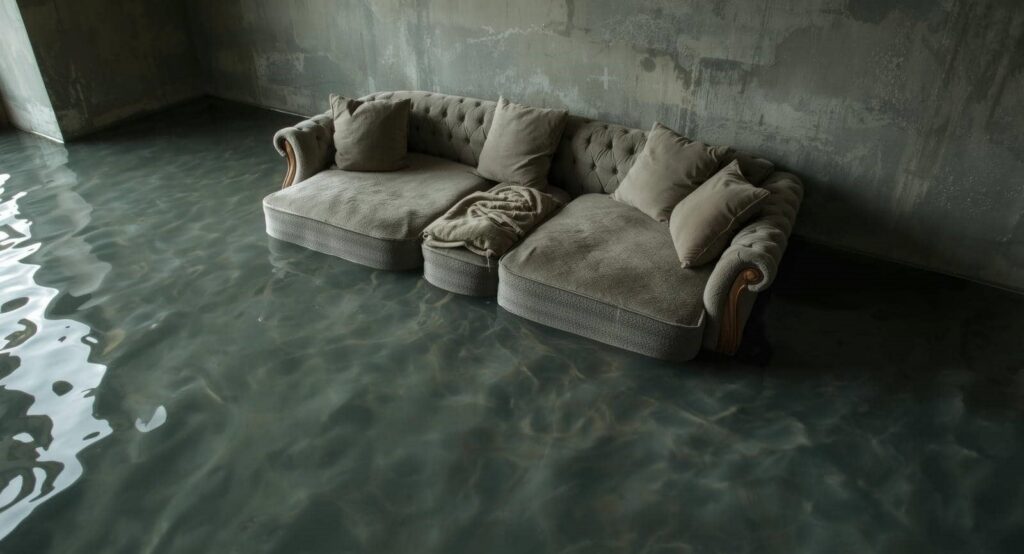
When dealing with water damage claims, it’s essential to approach the process methodically. Understanding your insurance policy is just the beginning. You’ll need to document the damage meticulously and communicate effectively with your insurer. Each step can greatly impact your claim’s outcome. However, steering through the nuances of this process can be challenging. What specific strategies can help you maximize your chances of a successful claim?
Key Takeaways
- Understand your insurance policy’s coverage, limits, and exclusions to avoid surprises during the claims process.
- Document all damage thoroughly with high-resolution photos and detailed inventories of affected items.
- Notify your insurance company immediately after water damage occurs, typically within 30 days of the incident.
- Prepare for the insurance adjuster’s visit by gathering necessary documentation and practicing clear communication.
- Follow up regularly with your insurer to stay informed about the claim status and address any potential issues promptly.
Understand Your Policy Coverage
Before you file a water damage claim, it’s crucial to understand your policy coverage, as this knowledge can greatly impact your recovery process. Familiarizing yourself with your insurance policy helps you identify what’s covered and what isn’t. Pay close attention to policy exclusions; these are specific scenarios that your insurer won’t cover, often including flood damage or gradual leaks. Knowing these exclusions can save you from unpleasant surprises when you need assistance the most.
Additionally, be aware of coverage limits, which dictate the maximum amount your insurer will pay for damages. Understanding these limits guarantees that you have realistic expectations regarding your claim. If the costs exceed these limits, you could end up responsible for the difference.
Document the Damage Thoroughly
When water damage occurs, documenting the damage thoroughly is essential for a successful claims process. Start by taking clear, high-resolution photographs of all affected areas, ensuring you capture both wide shots and close-ups. Note the date and time of the incident, as well as any visible structural damage or personal property loss.
Create an inventory list of damaged items, including descriptions, values, and purchase receipts if available. This detailed record will be invaluable during insurance negotiations, as it provides concrete evidence of your loss.
Additionally, consider obtaining professional assessments from water restoration experts. Their reports can strengthen your claim and highlight necessary repairs.
Keep all documentation organized and easily accessible, as this will streamline communication with your insurance adjuster. Thorough documentation not only aids in your claims process but also fosters a sense of community, showing that you’re taking proactive steps to resolve your situation.
Take Immediate Action to Mitigate Further Damage
When you experience water damage, your first step should be to document the extent of the damage thoroughly.
Next, it’s essential to stop the source of the water to prevent further harm to your property.
Taking these immediate actions not only protects your home but also strengthens your water damage claim.
Document the Damage
Although you may feel overwhelmed after experiencing water damage, it’s essential to document the extent of the destruction as soon as possible.
Start by taking clear photographs of all affected areas, ensuring you capture details such as stained walls, warped floors, and damaged belongings.
Make a thorough list of items that require water restoration, noting their condition and approximate value. This documentation is vital, as it strengthens your claim against potential claim denial from your insurance provider.
Additionally, keep records of any repairs or temporary measures you undertake to prevent further damage.
Stop Water Source
To prevent further damage, it’s crucial to stop the source of the water as quickly as possible.
Start with water source identification; inspect your property thoroughly to locate the leak. This may involve checking plumbing lines, appliances, and even the roof.
If you don’t find the source immediately, consider utilizing leak detection tools, such as moisture meters or infrared cameras, which can pinpoint hidden leaks effectively.
Once identified, take immediate action—shut off the main water supply if necessary. You might need to call a professional plumber for complex issues.
Addressing the problem promptly not only mitigates damage but also strengthens your claim process, showing insurers your commitment to resolving the situation responsibly.
Contact Your Insurance Company Promptly
When you experience water damage, it’s essential to notify your insurance company immediately.
Understanding your coverage details can greatly impact your claim process and financial recovery.
Acting swiftly guarantees that you minimize complications and maximize your benefits.
Notify Immediately
Notifying your insurance company promptly is vital after experiencing water damage, as delays can jeopardize your claim.
When you contact them, make sure you provide detailed information about the incident and any actions you’ve taken, like notifying authorities or starting to assess damages. This initial communication sets the tone for your claim process, making it imperative to be thorough and precise.
Your insurer may require specific details to expedite the claims process, so prepare to answer questions about the extent of the damage and any preventive measures you’ve implemented.
Understand Coverage Details
Understanding your coverage details is a critical next step after notifying your insurance company about water damage.
You need to review your policy to grasp the coverage limits and any policy exclusions that could affect your claim. For instance, some policies may cover only specific types of water damage, like sudden leaks, while excluding damages from long-term issues or flooding.
By clarifying these details early on, you’ll avoid surprises later and enhance your chances of a successful claim. If you find anything unclear, don’t hesitate to reach out to your insurer for clarification.
Knowing what’s covered not only empowers you but also fosters a sense of security as you navigate the claims process.
Keep Detailed Records of All Communications
Maintaining thorough records of all communications during the water damage claims process is essential for a successful outcome. You should create detailed communication logs to track every interaction with your insurance company, contractors, and any professionals involved. Document the date, time, and content of each conversation, as well as the names of individuals you spoke with.
This level of detail not only clarifies your claims documentation but also creates a clear timeline of events that can be invaluable if disputes arise.
When you keep organized records, you enhance your credibility and strengthen your position. It allows you to reference specific conversations, ensuring that nothing gets overlooked. Additionally, well-maintained logs can facilitate smoother communication and prompt follow-ups, making your claims process more efficient.
Ultimately, diligent record-keeping not only protects your interests but also fosters a sense of community among those maneuvering similar challenges.
Gather Supporting Evidence and Estimates
Gathering supporting evidence and estimates is a critical step in the water damage claims process.
Start with evidence collection, which involves documenting the damage through photos, videos, and written descriptions. Make certain to capture the extent of the damage and any affected belongings. This visual evidence can greatly reinforce your claim.
Next, obtain estimates from reputable contractors to assess the cost of repairs.
When you collect these estimates, focus on getting multiple quotes to facilitate estimate comparisons. This approach not only helps guarantee you receive a fair assessment but also provides your insurer with a thorough view of the potential costs involved.
Be Prepared for an Insurance Adjuster Visit
Being prepared for an insurance adjuster visit can greatly impact the outcome of your water damage claim. Start with thorough insurance adjuster preparation. Gather all necessary documents, including your policy, photos of the damage, and estimates for repairs.
This evidence not only supports your claim but also demonstrates your diligence. During the adjuster interview, be clear and concise. Stick to the facts and avoid emotional appeals.
Practice adjuster interview tips by rehearsing key points you want to convey about the damage and any repairs you’ve initiated. Be ready to answer questions about the timeline of the damage and any previous repairs.
This transparency fosters trust and can strengthen your case. Remember, the adjuster’s role is to assess the situation objectively, so maintaining a professional demeanor will help facilitate a smoother process.
Proper preparation empowers you to navigate the claim effectively.
Know the Claims Process and Timelines
Understanding the claims process and associated timelines is essential for successfully managing your water damage claim. First, familiarize yourself with the process overview, which typically begins with notifying your insurance company about the damage. Most insurers require you to file your claim within a specific time frame, often 30 days.
After submitting your claim, you can expect an adjuster to assess the damage, usually within a week or two. Keep in mind that claim timelines may vary based on the insurer’s workload and the complexity of your situation.
After the assessment, you’ll receive a determination, which can take additional days. Staying informed about these timelines helps you set expectations and remain proactive.
Follow Up on Your Claim Regularly
While you wait for your insurance company to process your claim, it’s essential to follow up regularly to confirm your case is progressing. Checking in periodically allows you to stay informed about your claim status and guarantees any potential issues are addressed promptly.
Use clear communication tips when contacting your adjuster or claims representative. Prepare specific questions about your claim’s progress and any documentation that may be needed.
Keep a record of your conversations, noting dates, times, and names of the people you speak with. This documentation provides a reference point should complications arise.
If your claim seems stagnant, don’t hesitate to escalate your inquiry by asking to speak with a supervisor. Maintaining a proactive approach demonstrates your commitment and can help foster a collaborative relationship with your insurer, making it more likely that you’ll receive the support you need during this challenging time.
Seek Professional Help if Needed
As you track your claim’s progress, consider whether you might benefit from professional assistance. Maneuvering through the complexities of water damage claims can be overwhelming, and enlisting experts can streamline the process.
Professional restoration services can help assess the damage accurately, ensuring that all affected areas are documented and addressed. They possess the technical knowledge to mitigate further issues, which can strengthen your claim.
Additionally, if you encounter disputes with your insurance provider, seeking legal assistance may be essential. An attorney experienced in insurance claims can help you understand your rights and advocate on your behalf, ensuring you receive fair compensation.
Ultimately, investing in professional help can save you time and stress, allowing you to focus on restoring your home.
Frequently Asked Questions
What Types of Water Damage Are Typically Covered by Insurance?
Insurance typically covers water damage from pipe bursts and, in some cases, flood damage, depending on your policy. It’s essential to review your coverage details to understand what’s included and guarantee you’re adequately protected.
How Long Do I Have to File a Water Damage Claim?
You typically have one to two years to file a water damage claim, depending on your policy. Prompt claim filing and damage assessment are essential to guarantee you receive the compensation you deserve.
Can I Handle Repairs Before the Adjuster Visits?
You can’t handle repairs before the adjuster visits, as it disrupts the repair timeline and violates adjuster protocol. Ensuring you follow the correct steps fosters trust and smoothens the claims process for everyone involved.
What if My Claim Is Denied or Underpaid?
If your claim’s denied or underpaid, start the claim appeal process. Gather evidence, review your policy, and implement effective insurance negotiation strategies to strengthen your position. Persistence can often lead to a more favorable outcome.
Are There Specific Deadlines for Submitting Documentation?
Oh sure, deadlines are just suggestions! But seriously, you must submit your claim documentation promptly—usually within a set timeframe defined by your insurer. Check those requirements closely to avoid unnecessary complications later on.
Recap
Filing a water damage claim can be complex, but by understanding your policy, documenting damage, and taking timely action, you can streamline the process. Communicate clearly, prepare for the adjuster’s visit, and follow up diligently to guarantee your claim progresses smoothly. If challenges arise, don’t hesitate to seek professional help. By staying organized, being proactive, and knowing your rights, you can navigate the claims process effectively and work toward a satisfactory resolution.