
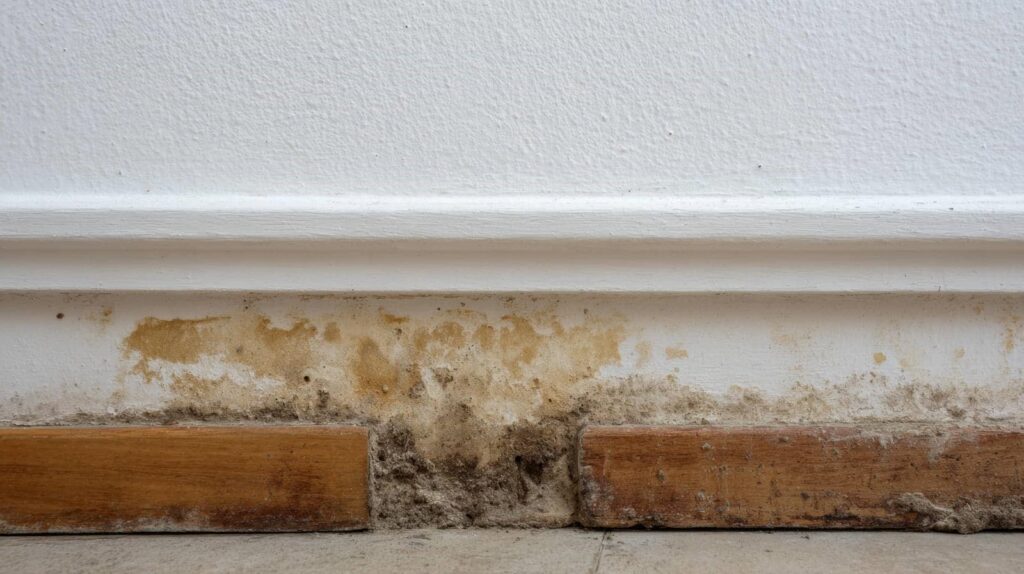
When you experience flood damage, you might be surprised by the costs involved in restoration. Various factors contribute to these expenses, from the specialized equipment required to the expertise needed for effective recovery. Labor costs can escalate quickly, especially if extensive repairs are necessary. Understanding these elements is essential, as they can greatly impact your overall financial responsibility. What you might not realize is how these costs can soar if the restoration isn’t handled promptly and thoroughly.
Key Takeaways
Restoration costs rise with the extent of water damage; larger areas require more resources and time to repair.
Advanced equipment and technology, such as industrial dehumidifiers and moisture detection tools, significantly increase overall expenses.
Skilled labor is essential for effective restoration, and specialized training commands higher wages, adding to costs.
The restoration process can be time-consuming, with various phases extending from days to weeks, influencing labor and material costs.
Long-term health risks, such as mold growth and structural damage, necessitate thorough restoration, which can be costly if not addressed promptly.
Factors Influencing Restoration Costs
When evaluating flood damage restoration costs, several key factors come into play that can greatly affect the overall expense.
First, the extent of water damage markedly influences the price; larger areas or more severe damage require more intensive restoration techniques. You’ll also need to take into account the time-sensitive nature of these repairs. Quick action can mitigate further damage, ultimately reducing costs.
Additionally, the materials used during the restoration process impact expenses. Higher-quality materials may incur greater initial costs but can enhance durability and flood prevention in the long run.
Labor costs vary based on the complexity of the restoration techniques used, as skilled technicians are often required to ensure thorough recovery.
Lastly, your location and local market rates can also influence pricing. By understanding these factors, you can better prepare for the financial implications of flood damage restoration and make informed decisions for your property.
Equipment and Technology Expenses
As you navigate the intricacies of flood damage restoration, understanding equipment and technology expenses is vital for accurate budgeting. The costs associated with advanced drying systems and moisture detection tools can greatly impact your overall restoration bill.
High-quality industrial dehumidifiers and air movers are essential for effective drying and preventing mold growth, but they come with a hefty price tag.
Moreover, moisture-detection equipment, such as thermal imaging cameras and moisture meters, ensures that no hidden pockets of water remain in your structure. These tools help you assess damage accurately and streamline the restoration process.
Investing in the latest technology enhances efficiency and improves the quality of results, ultimately safeguarding your property from future issues.
Labor Costs and Expertise
Labor costs play an essential role in the overall expense of flood damage restoration, often accounting for a significant portion of your budget.
The expertise of skilled technicians is important in ensuring your property is restored effectively and safely. Here are key factors contributing to labor costs:
Skilled Technicians: Professionals with experience in flood restoration are critical for quality work.
Specialized Training: Technicians undergo extensive training to handle specific flood-related damage, which adds to their value.
Safety Protocols: Following strict safety guidelines ensures both workers and your property are protected, thereby reducing labor costs.
Time Investment: Complex restorations take longer to complete, requiring more labor hours, which directly affects your budget.
Understanding these elements can help you appreciate the costs involved in restoring your home to its pre-flood condition while ensuring high-quality workmanship.
Duration of the Restoration Process
The duration of the restoration process after a flood can vary considerably, typically ranging from a few days to several weeks, depending on the extent of the damage and the specific restoration methods employed.
Understanding the restoration timeline is essential for you, as it directly impacts your recovery and planning.
The process generally unfolds in distinct drying phases. Initially, emergency services assess the damage and begin water extraction, which can take one to three days.
Following this, the drying phase involves the use of specialized equipment, often lasting up to a week, depending on the moisture levels and the materials affected.
Finally, repairs and reconstruction can extend the timeline, as you’ll need to coordinate with contractors for drying and rebuilding.
Scope of Damage Assessment
A thorough damage evaluation is crucial for effective flood restoration. Understanding the extent of the damage helps you prioritize repairs and allocate resources efficiently.
Here are four key components involved in damage evaluation and inspection techniques:
Visual Inspection: Conducting a detailed visual inspection identifies visible damage and potential hazards.
Moisture Mapping: Utilizing moisture detection tools locates hidden water pockets that could lead to mold growth.
Structural Analysis: Evaluating the integrity of walls, floors, and foundations ensures safety before any repairs commence.
Content Assessment: Analyzing damaged personal belongings helps determine what can be salvaged versus what needs replacement.
Insurance Coverage Limitations
When evaluating flood damage, it’s essential to understand your insurance policy’s exclusions and coverage limits.
Many policies may not cover specific types of damage or might impose caps on the total reimbursement.
Familiarizing yourself with these limitations can prevent unexpected out-of-pocket expenses during the restoration process.
Policy Exclusions Explained
While you may believe your flood insurance provides broad protection, policy exclusions can considerably limit your coverage. Understanding these exclusions is essential to prevent unexpected costs during restoration.
Here are some common policy limitations that may create coverage gaps:
Flood Zones: Coverage may be restricted based on the designated flood zone of your property.
Basement Damage: Many policies exclude damage to basements or lower levels, especially regarding appliances and personal items.
Negligence: If damage results from a lack of maintenance, your claim could be denied.
Temporary Relocation: Costs for living elsewhere during repairs mightn’t be covered.
Being aware of these exclusions helps you better prepare for potential expenses, ensuring you’re not caught off guard when disaster strikes.
Coverage Limits Clarified
Understanding your coverage limits is vital for effective flood damage restoration. Different coverage types, such as building and personal property coverage, come with specific policy limits that dictate how much your insurer will pay for repairs and replacements.
These limits can greatly impact your financial responsibility after a flood. It’s important to review your policy to ensure it covers the potential costs of restoration, as many homeowners underestimate the extent of damage floods can cause.
Knowing your coverage limits helps you make informed decisions and avoid unexpected out-of-pocket expenses. If your policy limits are insufficient, consider discussing options with your insurance agent to enhance your coverage and better prepare for future incidents.
Additional Services and Treatments
As you navigate the complexities of flood damage restoration, it’s essential to reflect on additional services and treatments that can enhance the effectiveness of the recovery process.
These specialized treatments often require advanced techniques and equipment, contributing to overall costs. Here are four key services to take into account:
Dehumidification: This process reduces moisture levels, preventing mold growth and structural damage.
Sewage Cleanup: Handling contaminated water demands specialized equipment and safety protocols to ensure a safe environment.
Structural Drying: This technique uses high-powered fans and dehumidifiers to expedite drying, minimizing long-term damage.
Mold Remediation: Addressing mold issues requires targeted treatments and specialized equipment to ensure complete removal.
Geographic Location and Accessibility
The effectiveness of flood damage restoration can also hinge on geographic location and accessibility. If you’re in flood-prone areas, the unique challenges presented by your environment can greatly impact restoration logistics. These regions often face a higher frequency of flooding, which can strain local resources and create delays in service.
Accessibility plays an important role as well; difficult-to-reach homes can slow down response times and increase labor costs. Restoration teams may need specialized equipment or vehicles to navigate these areas, further driving up expenses.
Additionally, if local infrastructure suffers damage, it can complicate logistics even further.
Understanding your location’s specific challenges is essential. It helps you anticipate potential costs and delays related to restoration efforts. By being proactive and informed, you foster a sense of community resilience, ensuring that you’re not facing these hurdles alone.
Long-term Implications of Poor Restoration
If restoration isn’t done properly, you risk compromising your building’s structural integrity.
Over time, moisture can lead to mold growth, increasing health hazards for occupants.
Addressing these issues promptly is essential to prevent long-term damage and health concerns.
Structural Integrity Risks
Neglecting proper flood damage restoration can jeopardize a building’s structural integrity over time.
Without thorough structural assessments and integrity evaluations, you risk severe long-term consequences, including:
Foundation Weakness: Water can erode soil, compromising the foundation’s support.
Material Degradation: Wood and metal can weaken, leading to structural failures.
Mold Growth: Persistent moisture fosters mold, which can weaken structures and compromise air quality.
Increased Repair Costs: Delayed restoration often results in more extensive damage, escalating future repair expenses.
Health Hazards Increase
Ignoring flood damage restoration risks structural integrity and heightens health hazards over time.
When water infiltrates your property, it creates an ideal environment for mold growth, which can develop within 24 to 48 hours. This mold can release spores into the air, leading to serious respiratory issues, especially for those with pre-existing conditions or weakened immune systems.
Even after visible signs of water damage are addressed, hidden mold can persist, posing risks to your health and your family’s well-being.
Frequently Asked Questions
Can I Perform Flood Damage Restoration Myself to Save Money?
You can attempt DIY restoration, but consider the cost analysis first. Proper equipment and techniques are essential to prevent further damage. Without expertise, you might end up spending more in the long run.
What Types of Insurance Cover Flood Damage Restoration Costs?
Most flood damage costs can be covered with flood insurance. This policy typically includes restoration coverage, helping you manage expenses effectively. Always check your policy details to ensure you’re fully protected against potential losses.
How Can I Prevent Future Flood Damage in My Home?
You can prevent future flood damage by installing flood barriers and improving drainage systems. Regularly maintain gutters and downspouts, ensuring they direct water away from your foundation, and consider landscaping to enhance water flow management.
Are There Grants Available for Flood Damage Restoration Assistance?
Yes, you can find federal assistance and local programs to help with flood damage restoration. These resources act like lifebuoys, offering financial support to keep your home afloat during recovery. Explore options available in your community.
What Signs Indicate the Need for Professional Flood Restoration Services?
If you notice mold growth, water stains, or structural damage like sagging walls, you should seek professional flood restoration services. Acting quickly can prevent further complications and ensure your home’s safety and integrity.
Review
Flood damage restoration can be prohibitively expensive, often exceeding $20,000 for severe cases. This high cost stems from specialized equipment, skilled labor, and extensive repairs needed to mitigate further damage. Remember, prompt action is vital; delays can escalate costs due to mold growth and structural issues. Understanding these factors helps you grasp the importance of timely, professional restoration to safeguard your property and health.