
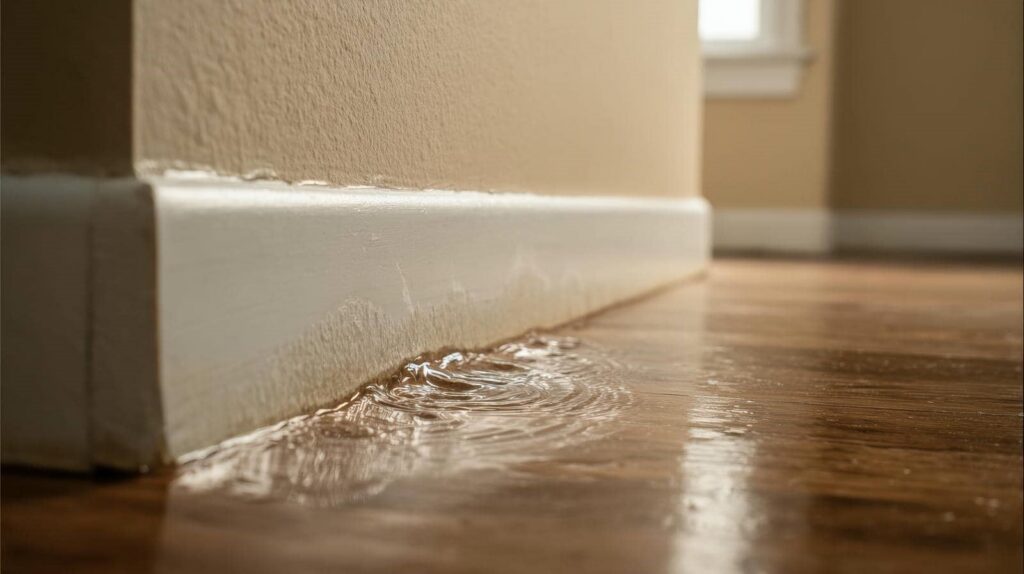
When faced with water damage, you might overlook the importance of filing an insurance claim, but doing so is vital for safeguarding your finances. Water damage can escalate quickly, leading to costly repairs and health risks if not addressed promptly. Understanding the nuances of your coverage and the claims process can greatly impact your recovery. As you navigate this complex situation, consider the critical steps necessary to ensure you’re adequately protected.
Key Takeaways
- Filing claims helps cover the costs of repairs and restoration, reducing financial burden from unexpected water damage events.
- Insurance claims can mitigate potential health hazards, such as mold growth, arising from untreated water damage.
- Timely claims submission ensures that repairs are initiated quickly, preventing further damage and costs.
- Documenting and filing claims strengthens your position for compensation, especially for covered damages like sudden pipe bursts or flooding.
- Understanding your policy can maximize your payout and provide peace of mind during recovery from water damage.
Understanding Water Damage and Its Implications
When water damage occurs, it’s vital to understand its implications, as delayed responses can exacerbate the situation. You might think that a quick cleanup is sufficient, but the reality is far more complex.
Water damage can lead to structural issues, mold growth, and health hazards, all of which could considerably impact your living environment. Knowing these potential consequences is essential for your peace of mind and financial well-being.
Moreover, the insurance implications of water damage can vary widely based on your policy. Some policies cover specific types of damage, while others may not, leaving you vulnerable to substantial out-of-pocket costs.
Types of Water Damage Covered by Insurance
When facing water damage, it’s essential to understand what types your insurance policy covers.
Typically, sudden pipe bursts, flooding, and storm damage are among the most common issues that insurers address.
Knowing these specifics can help you navigate your claim process more effectively.
Sudden Pipe Bursts
How can a sudden pipe burst lead to significant water damage in your home? When a pipe unexpectedly ruptures, water can flood your living spaces rapidly, causing damage to walls, flooring, and personal belongings.
This type of water damage is often covered by your insurance, but timely action is vital. Regular pipe maintenance can help you avoid these catastrophic failures, as worn-out pipes are more prone to bursting.
Additionally, having an emergency preparedness plan in place ensures you’re ready to respond quickly, minimizing damage and potential costs. Understanding your coverage allows you to file a claim with confidence, making it essential to document the damage immediately.
Protecting your home starts with proactive measures and informed decisions regarding insurance claims.
Flooding and Storm Damage
Flooding and storm damage can wreak havoc on your property, leading to extensive water damage that may not be immediately visible.
It’s vital to understand that your insurance policy may cover various types of water damage caused by flooding and storms. This includes damage from heavy rainfall, flash floods, and wind-driven rain, which often seeps into your home.
To ensure you’re protected, focus on flood preparedness and storm readiness. Regularly review your policy for coverage limits and exclusions.
When disaster strikes, documenting the damage promptly can expedite your claims process. By being proactive, you’ll safeguard your property and foster a sense of belonging within your community, knowing you’re prepared for whatever nature brings.
The Importance of Timely Claims Submission
Submitting your water damage claim promptly is essential to prevent further damage to your property and mitigate repair costs.
Insurance policies often have strict deadlines, and missing these can jeopardize your coverage.
Additionally, timely submission allows for a more accurate assessment of the damage, ensuring you receive the compensation you deserve.
Prevent Further Damage
Timely submission of water damage claims is essential, as delays can exacerbate the situation and lead to more extensive damage. When you act quickly, you protect your property and facilitate efficient water mitigation efforts.
Here are three reasons to submit your claim promptly:
Accurate Damage Assessment: Quick reporting allows for a thorough evaluation of the damage, ensuring all affected areas are addressed.
Minimized Loss: Timely intervention reduces the risk of mold growth and structural issues, protecting your investment.
Streamlined Recovery: Fast claims processing means you can initiate repairs sooner, helping you return to normalcy without prolonged disruption.
Meet Policy Deadlines
Meeting policy deadlines is vital when filing a claim for water damage. Your insurance policy likely includes specific claim deadlines, and missing these dates can jeopardize your ability to receive compensation.
Familiarizing yourself with these timelines ensures you’re prepared to act promptly. Regularly reviewing policy reminders will help you stay informed about your obligations. By submitting your claim on time, you demonstrate responsibility and reinforce your standing with your insurer.
If you delay, you risk complicating your situation, leading to potential disputes or denials. Prioritizing timely submissions fosters a smoother claims process, ultimately allowing you to focus on recovery and restoration.
Don’t underestimate the importance of adhering to these vital deadlines.
Ensure Accurate Assessment
Accurate assessment of water damage claims hinges on timely submission. When you file your claim swiftly, you enhance the likelihood of achieving claim accuracy and securing fair compensation.
Here are three key reasons why timely submission matters:
Preservation of Evidence: Quick reporting helps maintain the integrity of the damage, allowing for accurate assessments.
Preventing Further Damage: Addressing water damage promptly can minimize additional loss, which may impact your claim.
Streamlined Process: Insurance adjusters can assess your situation effectively, leading to faster resolutions.
Documenting Water Damage for Your Claim
Effective documentation is essential when filing an insurance claim for water damage. To strengthen your claim, start by taking clear photos of the affected areas, capturing the extent of the damage from multiple angles.
Document the timeline of events, noting when the water damage occurred and any actions you took to mitigate further issues. Your water damage documentation should also include receipts for repairs or remediation services.
Additionally, gather written estimates from contractors to substantiate your claims. These claim submission tips can enhance your case and ensure your insurer recognizes the legitimacy of your claim.
Keep a detailed record of communication with your insurance company, including dates, times, and the names of representatives. This organized approach reflects your diligence and fosters trust, making your claim more likely to succeed.
Steps to File an Insurance Claim for Water Damage
After you’ve documented the water damage thoroughly, the next step is to file your insurance claim. Understanding the claim process is vital for a smooth experience, so follow these steps to ensure you stay on track with the filing timeline:
Contact Your Insurance Provider: Reach out to your insurer as soon as possible. They’ll guide you through the claim process and provide the necessary forms.
Submit Required Documentation: Along with your claim form, submit all documentation, including photos, repair estimates, and any relevant contracts. This information supports your case and can expedite the review.
Follow Up Regularly: After submission, regularly check in with your insurance adjuster. Keeping communication open can help clarify any questions and ensure your claim is processed in a timely manner.
Working With Insurance Adjusters
When dealing with water damage claims, understanding how to collaborate with insurance adjusters is vital for a successful outcome. Start by establishing clear and open adjuster communication. This helps build a rapport, allowing you to convey your concerns and expectations effectively.
Be prepared to provide detailed documentation of the damage, including photographs and repair estimates, which can strengthen your position during the claim negotiation process.
It’s important to remain organized and responsive throughout the process. Adjusters often have numerous claims to manage, so timely responses to their requests can enhance your credibility.
Don’t hesitate to ask questions if you’re uncertain about any aspect of the claim. By actively engaging with the adjuster, you’ll demonstrate your commitment to resolving the issue.
Ultimately, fostering a cooperative relationship can lead to a more favorable outcome and ensure you receive the coverage you’re entitled to for your water damage claim.
Common Challenges in Water Damage Claims
When filing water damage claims, you might encounter several common challenges that can complicate the process.
Policy coverage limitations often lead to misunderstandings about what’s actually covered, while issues with documentation requirements can result in delays or denials.
Additionally, knowing the common reasons for claim denials can help you better prepare your case and improve your chances of a successful outcome.
Policy Coverage Limitations
While traversing the complexities of water damage claims, you may encounter notable policy coverage limitations that can hinder your ability to receive adequate compensation.
Understanding these limitations is essential to managing your claim effectively. Here are three common challenges you might face:
Policy Exclusions: Certain causes of water damage, like gradual leaks or maintenance issues, may not be covered, leaving you vulnerable to unexpected costs.
Coverage Limits: Your policy might have a maximum payout that fails to cover extensive damage, forcing you to absorb the remaining expenses.
Deductibles: High deductibles can reduce your compensation considerably, complicating your financial recovery after a loss.
Being aware of these limitations can empower you to make informed decisions during your claims process.
Documentation Requirements Issues
Maneuvering the intricacies of water damage claims often reveals another layer of complexity: documentation requirements. You’ll find that effective documentation practices are fundamental for successful claim submission.
Insurers typically expect detailed records, including photographs, repair estimates, and proof of prior maintenance. Failing to provide adequate documentation can lead to delays or potential claim denials.
It’s important to keep a thorough timeline of events and any communications with contractors or adjusters. Gathering all necessary documents might seem overwhelming, but it’s essential to ensure your claim is processed smoothly.
Claim Denial Reasons
Understanding the common reasons for claim denial is essential to maneuvering the complexities of water damage insurance claims. Familiarizing yourself with these challenges can help you prepare and strengthen your case.
Here are three frequent reasons insurers deny claims:
Insufficient Claim Documentation: If you don’t provide detailed evidence of the damage, your claim may be rejected.
Coverage Exclusions: Many policies have specific exclusions for certain types of water damage, such as flooding or gradual leaks.
Failure to Report Timely: Delays in reporting the damage can lead to a denial, as insurers often require prompt notification.
The Role of Professional Restoration Services
Engaging professional restoration services is crucial when dealing with water damage, as they bring expertise and specialized equipment to tackle the aftermath effectively. You need to confirm that the restoration process is handled by skilled professionals who employ advanced restoration techniques tailored to your specific situation. Their knowledge enables them to identify hidden damage you might overlook, ensuring a thorough recovery.
Professional assessments are essential in determining the extent of the damage and formulating a strategic plan for restoration. These assessments include moisture mapping, structural integrity evaluations, and air quality testing, all of which are key to a successful restoration.
Tips for Maximizing Your Insurance Payout
After addressing the immediate aftermath of water damage with professional restoration services, the next step is to secure the financial support you need through your insurance policy.
To maximize your insurance payout, consider these essential tips:
Understand Your Policy: Carefully review your policy for coverage specifics. Knowing your limits and exclusions can guide your claim negotiation.
Document Everything: Take detailed photos and notes of the damage, restoration efforts, and related expenses. A thorough record strengthens your case during policy interpretation and negotiations.
Communicate Effectively: Stay in contact with your insurance adjuster. Ask questions and clarify any uncertainties. Clear communication can facilitate smoother claim negotiations and ensure you receive the coverage you are due.
Preventing Future Water Damage Issues
While water damage can strike unexpectedly, implementing proactive measures greatly reduces your risk. Start by evaluating your property’s vulnerabilities.
Employing effective waterproofing techniques, such as sealing cracks in your foundation and applying waterproof coatings, can greatly mitigate potential leaks. Regularly inspect your roof and gutters to verify they’re clear of debris and functioning properly; this prevents water from pooling and seeping into your home.
Consider investing in advanced drainage solutions, like French drains or sump pumps, to redirect water away from your property. Additionally, monitor your plumbing for any signs of wear or leaks, as early detection can save you from larger issues down the line.
By taking these steps, you protect your home and foster a sense of belonging in your community, knowing you’re contributing to a safer environment for everyone.
Prioritizing these strategies provides peace of mind against future water damage.
Frequently Asked Questions
How Long Does the Claims Process Typically Take?
The claims duration typically varies, but you can expect the processing timeline to take anywhere from a few days to several weeks, depending on the complexity of your claim and the insurance company’s workload.
Can I File a Claim for Mold Damage?
You can file a claim for mold damage if your policy includes mold coverage. Keep in mind that the claim process may require detailed documentation, so gather evidence to support your case for a smoother experience.
Will My Premium Increase After Filing a Water Damage Claim?
Yes, your premium might increase after filing a water damage claim, especially if you file multiple claims. Insurers often assess claim frequency and premium impact, which can influence future rates and your overall coverage.
Are There Any Exclusions in My Policy for Water Damage?
Yes, your policy may have water damage exclusions and specific limitations. It’s essential to review your coverage details, as some types of water damage, like flooding or gradual leaks, might not be covered under standard policies.
What if My Claim Is Denied or Underpaid?
If your claim’s denied or underpaid, review denial reasons carefully. You can file a claim appeal, providing additional documentation or evidence. This process might help you receive the compensation you deserve for your water damage.
Final Thoughts
Filing insurance claims for water damage is essential for safeguarding your home and finances. By understanding your policy, documenting damage, and working with professionals, you can navigate the claims process effectively. Remember, addressing water damage promptly protects your property and prevents more severe issues down the line. Don’t wait—act now.