
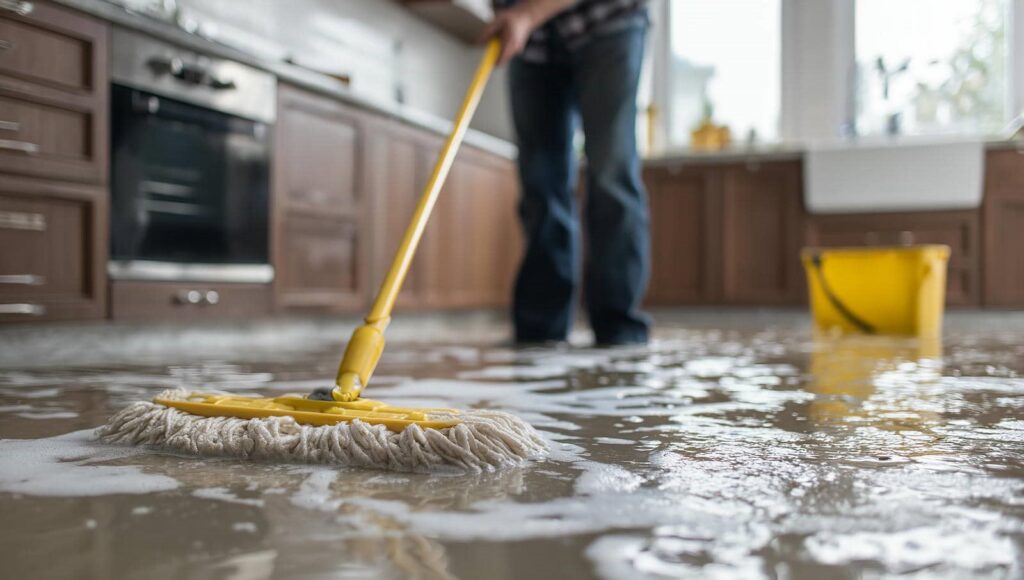
Did you know that nearly 1 in 4 homeowners will experience some form of water damage in their lifetime? Understanding your water removal insurance options is essential, as standard homeowners policies often don’t cover certain types of water-related incidents. Without the right coverage, you could face significant financial setbacks. What should you consider when evaluating your insurance, and how can you guarantee you’re adequately protected against these risks?
Key Takeaways
- Homeowners insurance typically covers sudden and accidental water damage, such as burst pipes, but excludes flooding and long-term leaks.
- Flood insurance is essential for homes in flood-prone areas, covering risks not included in standard homeowners policies.
- Sewer backup insurance provides coverage for damage caused by backed-up sewage, which is often excluded from standard homeowners policies.
- Additional Living Expenses (ALE) coverage helps cover temporary housing and meal costs during home restoration after water damage.
- Reviewing policy provisions and documenting any water damage thoroughly ensures adequate coverage and a smoother claims process.
Understanding Homeowners Insurance Coverage for Water Damage
When it comes to homeowners insurance, understanding coverage for water damage is essential, especially since not all policies treat water-related incidents the same.
Many homeowners mistakenly believe their policy covers all types of water damage, but that’s not always the case. Most homeowners policies typically cover sudden and accidental water damage, such as a burst pipe. However, they often exclude damage from flooding, sewer backups, or long-term leaks.
It’s important to read your policy carefully and ask your insurer about specific water damage coverage. Some policies offer endorsements or riders that can expand your protection for additional risks.
Understanding these details helps you make informed decisions about your insurance needs and guarantees you’re not left unprotected in the event of water-related incidents. Being proactive in evaluating your homeowners policy can provide peace of mind and foster a greater sense of belonging within your community.
The Role of Flood Insurance in Water Removal
Although many homeowners focus primarily on their standard insurance policies, understanding the role of flood insurance in water removal is vital for thorough protection.
Flood insurance specifically addresses the unique flood risk that standard policies often exclude. If your home is in a designated flood zone, this coverage becomes essential, as it can greatly reduce the financial impact of water damage caused by flooding.
Without flood insurance, you might face steep costs for water removal and repairs. Additionally, insurance premiums for flood coverage can vary based on your location and the level of flood risk.
By investing in flood insurance, you not only protect your property but also gain peace of mind knowing you’re prepared for unexpected water damage scenarios.
Ultimately, integrating flood insurance into your overall risk management strategy can enhance your financial security and guarantee your home remains a safe haven.
Additional Living Expenses Coverage During Water Damage Restoration
When water damage forces you out of your home, understanding Additional Living Expenses (ALE) coverage is essential.
This coverage typically includes costs like temporary housing and meals, which can greatly influence your financial stability during restoration.
Knowing the scope of this coverage and the claim filing process can help you navigate this challenging time effectively.
Coverage Scope Explained
Water damage can disrupt your life greatly, often necessitating temporary relocation while repairs are underway. Understanding your insurance coverage for additional living expenses (ALE) is vital.
This coverage helps offset costs for accommodations, meals, and other necessary expenses incurred during your displacement. However, be mindful of your policy’s limits; insurance limits can considerably impact the amount you’ll receive.
Some policies may cover a specific dollar amount per day or have an overall cap. It’s essential to review these details before an incident occurs. Knowing the scope of your coverage allows you to plan effectively, ensuring you can maintain a sense of stability during the restoration process.
Always consult your policy for specific terms and conditions regarding ALE.
Claim Filing Process
Maneuvering the claim filing process for additional living expenses (ALE) coverage during water damage restoration can feel intimidating, but understanding the steps can simplify your experience.
Here are some essential claim submission tips to keep in mind:
Review Your Policy: Familiarize yourself with your ALE coverage limits and terms.
Gather Documentation: Collect all necessary documentation, including receipts, repair estimates, and photographs of damage.
Submit Timely: File your claim promptly to avoid delays; most insurers have specific time frames.
Follow Up: Maintain communication with your insurance adjuster to guarantee your claim is processed smoothly.
Limits and Exclusions in Water Removal Insurance Policies
How do the limits and exclusions in water removal insurance policies impact your coverage? Understanding these factors is vital for making informed decisions.
Water damage limits specify the maximum amount your insurer will pay for claims, which can greatly affect your financial protection. If your coverage limit falls short of the repair costs, you could face unexpected expenses.
On the other hand, policy exclusions outline situations or types of damage that aren’t covered, such as gradual leaks or flooding from external sources. These exclusions create gaps in your protection, potentially leaving you vulnerable to substantial losses.
It’s important to review these limits and exclusions carefully to guarantee you have adequate coverage for your specific needs. By doing this, you can better navigate the complexities of water removal insurance and feel more secure in your choices, fostering a sense of belonging within your community.
The Importance of Reviewing Your Policy for Water Damage Provisions
Reviewing your water damage provisions is essential for understanding the specific coverage types your policy offers.
You’ll want to identify any exclusions that could impact your claim, as these can greatly affect your financial protection.
Additionally, familiarizing yourself with the claim process can streamline your efforts in the event of water damage.
Coverage Types Explained
While many homeowners assume their standard insurance policy covers all types of water damage, it’s important to investigate the specifics of your coverage options.
Understanding the different types of coverage can help you make informed decisions about your water removal insurance options. Here are four key coverage types to take into account:
Homeowners Insurance – Typically covers sudden and accidental water damage.
Flood Insurance – Crucial for areas prone to flooding; standard policies don’t include this.
Sewer Backup Insurance – Protects against damage from sewage overflow.
Water Damage Add-On – Allows you to enhance your coverage for specific water-related incidents.
Reviewing these coverage types guarantees you’re adequately protected against potential water damage risks.
Exclusions to Consider
Even with a solid understanding of coverage types, it’s vital to recognize the exclusions that may affect your protection against water damage. Many policies include water source exclusions, such as flooding or sewer backups, which can leave you vulnerable to significant costs.
It’s important to review these exclusions carefully, as they directly impact your coverage. Additionally, be aware of policy limits; exceeding these limits can lead to out-of-pocket expenses that you didn’t anticipate.
Understanding these aspects guarantees you’re not caught off guard when a water damage event occurs. By thoroughly examining your policy, you can make informed decisions that truly protect your property and provide peace of mind in your community.
Claim Process Insights
How well do you understand the claims process for water damage? Steering through this process can be complex, but reviewing your policy is essential. By doing so, you guarantee you’re aware of your coverage and can avoid common claim mistakes.
Here are some claim documentation tips to keep in mind:
- Document Damage: Take clear photos of all affected areas and items.
- Gather Receipts: Collect receipts for any repairs or replacements.
- Notify Your Insurer Promptly: Contact your insurance company as soon as possible after the damage occurs.
- Keep a Claim Journal: Track all communications with your insurer for future reference.
Being proactive and informed can help you successfully manage your water damage claims and receive the coverage you need.
How to File an Insurance Claim for Water Damage Removal
Filing an insurance claim for water damage removal can seem intimidating, especially when you’re dealing with the aftermath of a loss. To start, document the extent of the water damage by taking clear photos and making detailed notes. This evidence will be essential for your insurance claims process.
Next, contact your insurance provider to report the incident; be prepared to provide your policy number and a summary of the damage. Your insurer may require you to fill out specific forms or submit a formal claim.
After submission, keep a record of all communications. An adjuster will likely visit your property to assess the damage, so make sure you’re available during that time.
Finally, follow up regularly to track the status of your claim. Understanding these steps can make the process smoother and help you feel more confident in securing the necessary funds for water damage removal.
Frequently Asked Questions
What Types of Water Damage Are Typically Covered by Insurance?
Your insurance typically covers water damage from pipe bursts and certain types of flooding, depending on your policy. It’s crucial to review your coverage details to guarantee you’re protected against unexpected water-related incidents.
How Can I Prevent Water Damage in My Home?
You can prevent water damage by implementing effective drainage solutions and performing regular maintenance on your plumbing systems. Regularly check for leaks, clean gutters, and guarantee proper grading around your home to divert water away.
Does My Insurance Cover Mold Resulting From Water Damage?
Your insurance might cover mold remediation if it results from a covered water damage incident, but it often depends on policy specifics. Always review your coverage and file timely insurance claims to guarantee protection.
Are There Specific Exclusions for Sewage Backup in Policies?
Yes, many policies have sewage exclusions, which can limit coverage for damages caused by sewage backup. You should review your policy specifics to understand these exclusions and determine if additional coverage is necessary for protection.
Can I Purchase Additional Coverage for Water Damage?
Think of additional coverage for water damage like a safety net; it can catch unforeseen mishaps. Yes, you can purchase it, enhancing your policy to protect against costly repairs and providing you peace of mind.
Recap
In the end, while you might think your standard homeowners insurance covers all water-related mishaps, you could find yourself in a deep puddle of regret. Flood insurance and specialized riders aren’t just optional add-ons; they’re essential lifebuoys for your financial security. So, before you’re knee-deep in water and paperwork, take a moment to review your policy. Ironically, understanding your coverage now can save you from unexpected surprises later, proving that knowledge truly is power when disaster strikes.