
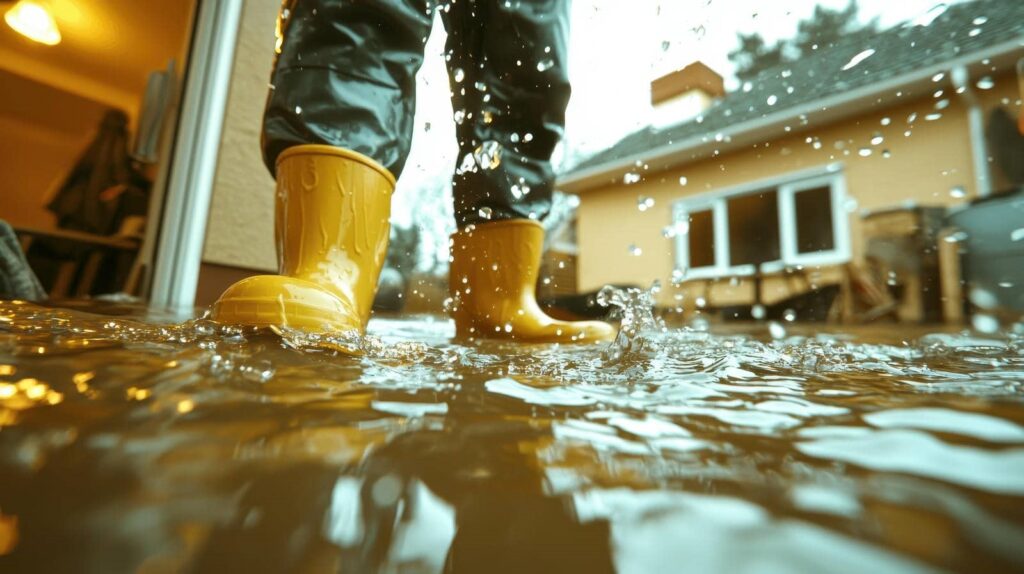
Water damage is a common issue for homeowners, which is why taking proactive steps to protect your home from flooding and other water-related problems is so important. Evaluating your home’s vulnerabilities, implementing effective drainage systems, and ensuring regular maintenance can greatly reduce your risk. Understanding these strategies is essential for effective water mitigation. So, what are the best practices you can adopt to protect your property?
Key Takeaways
- Inspect and repair any foundation cracks, roof damage, or gutter clogs to prevent water intrusion.
- Install proper drainage systems, like gutters and swales, to redirect water away from the home.
- Utilize sump pumps and French drains to manage and redirect excess water effectively.
- Conduct regular maintenance checks on drainage systems and sump pumps to ensure optimal functionality.
- Prepare emergency kits and establish evacuation plans to respond swiftly to potential flooding situations.
Assessing Vulnerabilities in Your Home
When you assess vulnerabilities in your home, it’s crucial to identify areas prone to water intrusion. Start with a thorough vulnerability assessment during your home inspections.
Check for cracks in the foundation, especially around windows and doors, as these can allow water to seep in. Inspect your roof for damaged shingles or missing flashing, which can lead to leaks during heavy rain.
Don’t forget to evaluate gutters and downspouts; clogged systems can cause overflow, directing water toward your foundation.
Pay attention to the landscaping as well—sloping ground should direct water away from your home. Look for any signs of moisture in the basement or crawl spaces, which could indicate hidden issues.
Implementing Proper Drainage Systems
To effectively manage water around your home, implementing proper drainage systems is vital. Start by evaluating your property’s landscape to identify potential water pooling areas.
Effective drainage solutions involve installing gutters and downspouts that redirect rainwater away from the foundation. Additionally, consider the significance of soil grading. Proper grading ensures that the ground slopes away from your home, preventing water from accumulating near the foundation. This may involve regrading your yard or adding soil to create the necessary slope.
For more complex issues, you might explore trench drains or swales, which can efficiently channel water away from vulnerable areas.
Regular maintenance of these systems is essential; clean gutters and check for blockages to ensure peak performance. By taking these steps, you’ll protect your home from potential water damage and foster a sense of community responsibility for maintaining a safe and welcoming environment.
Installing Sump Pumps and French Drains
While proper drainage systems are fundamental in managing water, installing sump pumps and French drains can greatly enhance your home’s defense against flooding.
Sump pumps, available in various types like pedestal and submersible, act as your home’s first line of defense by collecting water that accumulates in your basement and pumping it away from your foundation. Selecting the right sump pump type for your specific needs is essential for effective operation.
French drain installation complements this by redirecting surface water away from your home. It involves digging a trench, laying perforated tubing, and covering it with gravel to allow water to flow freely into the drain.
Together, these solutions reduce the risk of water damage and promote a dry, healthy living environment. Investing in these systems means you’re taking proactive steps to protect your home and foster a safe community feeling among neighbors.
Regular Maintenance and Inspections
Even though installing sump pumps and French drains are essential steps in water mitigation, regular maintenance and inspections are critical to confirm these systems operate effectively.
To secure your home remains protected, you should implement preventive measures such as routine checks. Schedule seasonal inspections to assess your sump pump’s functionality and inspect your drainage systems for clogs or damage.
During these checks, verify that your sump pump is clear of debris and functioning properly. It’s also wise to examine the surrounding landscape for any potential water pooling that could overwhelm your drainage systems.
Don’t overlook the importance of cleaning gutters and downspouts regularly; this simple task can prevent water from accumulating near your foundation.
Emergency Preparedness and Response Plans
When water damage strikes, having a well-prepared emergency response plan can make all the difference in minimizing losses and ensuring safety.
Start by assembling emergency kits containing essential supplies—like water, non-perishable food, first-aid items, flashlights, and important documents. Keep these kits in easily accessible locations for all family members.
Next, establish clear response drills. Regularly practice evacuation routes and safety protocols so everyone knows their role during a disaster. Include communication plans that outline how you’ll connect with each other and emergency services.
Additionally, familiarize yourself with local resources and emergency contacts, ensuring you know how to reach them quickly.
By taking these proactive steps, you protect your property and foster a sense of community and preparedness among your loved ones.
Frequently Asked Questions
What Are the Signs of Potential Water Damage in My Home?
You’ll notice signs like water stains on walls or ceilings and musty odors in your home. These indicate potential water damage, so it’s essential to investigate promptly to prevent further issues and protect your living space.
How Can I Find a Reliable Water Mitigation Contractor?
To find a reliable water mitigation contractor, check their qualifications, read reviews, and ask for references. Use hiring tips like obtaining multiple quotes and verifying certifications to ensure you make an informed decision for your home.
Are There Insurance Policies That Cover Water Damage?
Homeowners experience water damage annually, making it essential to check your insurance coverage. Many policies cover water damage, but specifics vary. Review your policy details to ensure you’re protected when disaster strikes.
What Should I Do Immediately After Discovering Water Damage?
Immediately start water extraction to minimize damage, then perform emergency repairs to prevent further issues. Contact professionals for thorough assistance, ensuring your home’s safety and restoring comfort while you navigate this challenging situation together.
How Can I Prevent Mold Growth After Water Exposure?
To prevent mold growth after water exposure, employ mold prevention techniques like ventilating spaces, using dehumidifiers, and sealing leaks. Implement moisture control methods, ensuring surfaces stay dry and maintaining humidity levels below 60%.
Final Thoughts
By evaluating your home’s vulnerabilities and implementing effective drainage systems, you can greatly reduce the risk of water damage. But don’t stop there—regular maintenance is essential to ensure these systems work when you need them most. Imagine facing a storm without a plan. Will your home stand strong, or will you be left scrambling? Prepare now. Your proactive steps today could mean the difference between safety and disaster tomorrow. Are you ready to take action?