
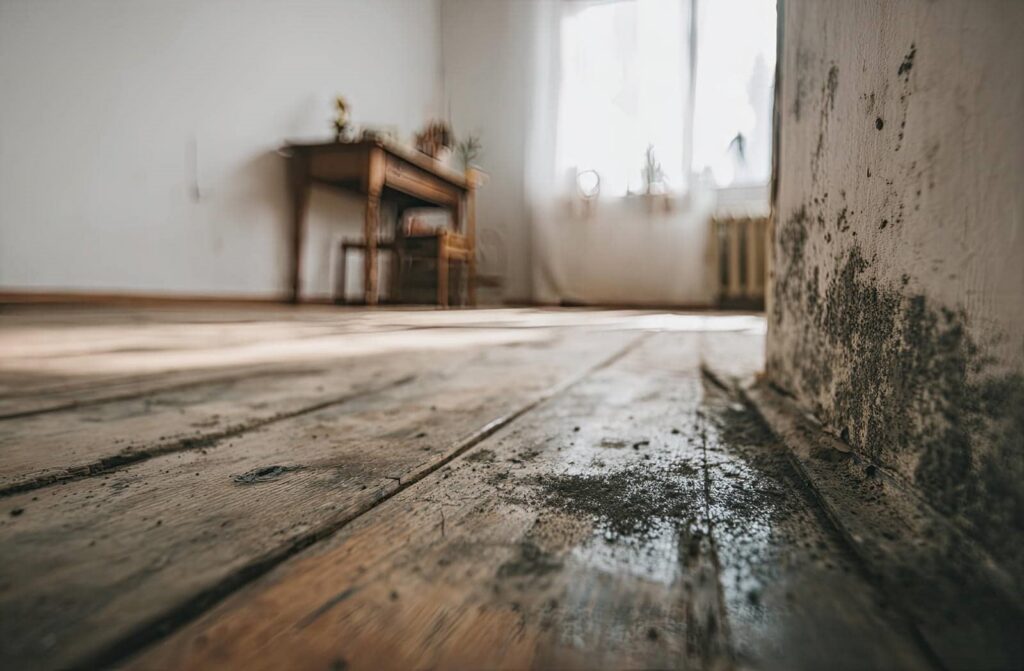
When facing flood damage, understanding the costs involved in restoration is essential for your recovery. Several factors influence these expenses, from the extent of the damage to the materials needed for repairs. Insurance can play a big role, too, often determining how much you’ll pay out of pocket. As you navigate these complexities, knowing what to expect can help you make informed choices about your next steps. So, what should you consider first?
Key Takeaways
- Restoration costs depend on damage severity, material type, and location, impacting labor rates and service availability.
- Typical expenses include water extraction ($500 to $3,000), cleaning services ($200 to $1,500), and specialized equipment costs ($500 to $2,000).
- Insurance coverage plays a significant role; standard homeowners’ insurance often excludes flood damage, while flood insurance provides specialized protection.
- Professional restoration services can mitigate health risks and ensure effective repairs, potentially saving money in the long run compared to DIY attempts.
- Creating a detailed budget and prioritizing critical repairs can help manage restoration costs effectively and minimize financial strain.
Factors Influencing Restoration Costs
When your home faces flood damage, several factors can greatly influence the restoration costs you’ll encounter. First, the severity of the damage plays a vital role; a thorough damage assessment helps identify affected areas and materials. This evaluation determines the immediate repairs needed and the overall restoration timeline.
Next, the type of materials in your home can impact costs considerably. For instance, hardwood floors may require more extensive repairs than tile. Additionally, your location affects labor rates and the availability of restoration services, which can vary widely.
Lastly, insurance coverage can either alleviate or exacerbate financial strain. Knowing what’s covered can help you navigate your options more effectively.
Understanding these factors can empower you to make informed decisions, ensuring your home is restored to its former state while fostering a sense of security for you and your family.
Typical Expenses Associated With Flood Damage
When dealing with flood damage, it’s essential to understand the typical expenses you might face.
Water extraction costs can quickly add up, along with repair and restoration expenses that may follow.
Being aware of these potential financial burdens can help you prepare and make informed decisions during a challenging time.
Water Extraction Costs
Water extraction costs can vary considerably based on several factors, including the severity of the flooding and the size of the affected area.
Typically, you can expect to pay anywhere from $500 to $3,000 for professional water extraction services. The specific water extraction methods employed and the type of extraction equipment used will influence these costs.
For example, commercial-grade pumps and dehumidifiers may increase the price but are often necessary for thorough extraction. Additionally, the complexity of the job can affect labor costs.
It’s essential to choose a reliable service that understands your situation, as timely, effective water removal minimizes damage and helps you regain peace of mind during a challenging time.
Repair and Restoration Expenses
After water extraction, the next step involves addressing the repair and restoration expenses that come with flood damage.
These costs can vary widely, depending on the severity of the damage and your home’s materials. You might face expenses for drywall replacement, flooring repairs, and mold remediation.
It’s crucial to consult your flood insurance policy, as it may cover some of these costs, alleviating your financial burden.
Additionally, investing in emergency preparedness can help you minimize future risks and repair expenses. By planning ahead and understanding your insurance coverage, you can navigate this challenging time more effectively.
Cost Breakdown of Cleaning and Drying Services
Although you might expect flood damage restoration to be costly, understanding the cost breakdown of cleaning and drying services can help you make informed decisions.
Typically, cleaning techniques involve the removal of debris, mold, and contaminants, which can range from $200 to $1,500, depending on the severity. Professionals use specialized equipment like pressure washers and vacuums, impacting the overall cost.
For drying methods, expect charges based on the area affected and equipment used. Industrial dehumidifiers and air movers are essential for effective drying, usually costing between $500 and $2,000.
Labor costs also play a significant role, with rates varying from $25 to $75 per hour.
Structural Repairs and Their Impact on Pricing
When floodwaters damage your home, structural repairs can greatly influence overall restoration costs. A thorough structural assessment is essential to identifying the extent of the damage and determining what needs fixing.
This assessment helps in estimating costs and impacts your repair timeline. Understanding these aspects can ease the emotional burden you might be feeling.
Here are some factors affecting pricing:
- The severity of structural damage
- The materials needed for repairs
- Labor costs for skilled professionals
- Any required permits or inspections
Equipment and Materials: What You’ll Need
To effectively tackle flood damage restoration, you’ll need a variety of essential equipment and materials. First, consider equipment types like water extractors, dehumidifiers, and air movers, which are vital for drying out affected areas.
You’ll also need protective gear, such as gloves and masks, to keep yourself safe during the process.
When it comes to materials, think about insulation, drywall, and mold-resistant paints, which help restore your space to its former condition.
Keep in mind that material costs can vary greatly, depending on quality and availability.
Planning your restoration project with these essentials in mind can alleviate some of the stress you might feel.
Insurance Coverage and Its Effect on Costs
Understanding your insurance coverage is essential when facing flood damage restoration costs.
Different policy types can greatly affect what expenses are covered, and knowing your coverage limits can help you prepare for potential out-of-pocket costs.
Policy Types Impact Costs
While you may not think about it until disaster strikes, the type of insurance policy you hold greatly affects the costs associated with flood damage restoration. Understanding your policy coverage is vital, as different policies have various cost implications.
Standard Homeowners Insurance: Often doesn’t cover flood damage, leading to higher out-of-pocket expenses.
Flood Insurance: Provides specialized coverage, but premiums can vary markedly based on risk factors.
Replacement Cost vs. Actual Cash Value: Knowing which your policy offers can drastically change your restoration costs.
Deductibles: Higher deductibles might lower your premium but increase your upfront expenses during restoration.
Being informed about these aspects can help you prepare and mitigate financial stress when facing flood damage.
Coverage Limits Explained
Your insurance policy’s coverage limits play a significant role in determining how much financial support you’ll receive during flood damage restoration.
Understanding the various coverage types is vital, as they dictate what costs are covered. For instance, standard homeowners’ insurance may not cover all flood-related damages, leaving you vulnerable to unexpected expenses.
Policy limitations can restrict your reimbursement, particularly if you haven’t opted for additional coverage. It’s important to review your policy thoroughly to know what’s included and what’s not.
Being proactive can help you avoid inadequate support when you need it most. Remember, staying informed empowers you to make better decisions and ensures you’re part of a community that values preparedness and resilience in the face of challenges.
Choosing the Right Restoration Company
How do you choose the right restoration company after flood damage? Selecting a reputable company is essential to restoring your home effectively and efficiently.
Start by looking into the restoration company’s qualifications, ensuring they have the necessary certifications and experience in flood restoration. Check their customer service reputation; how they treat you during this stressful time matters.
Consider these factors when making your choice:
Certifications: Verify industry-standard certifications like IICRC.
Experience: Look for a company with a proven track record in flood damage.
Response Time: Assess their availability for emergency situations.
Customer Feedback: Read online reviews and testimonials for insights.
DIY vs. Professional Services: A Cost Analysis
When faced with flood damage, weighing the costs of DIY restoration against hiring professional services is vital for effective recovery.
While tackling the cleanup yourself might seem budget-friendly, DIY challenges can quickly escalate. You may underestimate the scope of the damage, leading to improper drying and health risks from mold growth. The hidden costs of materials and potential repairs from mistakes can add up.
On the other hand, professional services offer significant advantages. Trained experts know exactly how to assess damage and use specialized equipment to ensure thorough restoration. They can mitigate risks to your health and property, often completing the job faster and more effectively.
While the initial investment may be higher, the peace of mind and long-term savings on repairs can outweigh the upfront costs. Ultimately, your choice should reflect your ability, the severity of the damage, and your desire for a swift, reliable recovery.
Cost Management Strategies for Homeowners
Flood damage recovery demands quick action and careful financial planning. You’ll want to implement effective cost management strategies to ease the burden.
Here are some budgeting tips to guide you through:
Create a detailed budget: Itemize all potential costs, including repairs, materials, and professional services.
Prioritize essential repairs: Focus on critical areas like structural stability and safety before addressing cosmetic issues.
Utilize expense tracking tools: Use apps or spreadsheets to monitor your spending, ensuring you stay within your budget.
Research financial assistance options: Look into local grants, low-interest loans, or insurance claims that can help cover your expenses.
Frequently Asked Questions
How Long Does Flood Damage Restoration Typically Take?
Flood damage restoration typically takes a few days to weeks, depending on the severity. The drying process is essential, ensuring all moisture is eliminated to prevent mold. Your patience is important during this restoration timeline.
Will My Belongings Be Salvaged During Restoration?
Think of your belongings as precious seeds in a storm. During the salvage process, restoration techniques aim to preserve as much as possible, but the extent depends on damage severity and materials involved. Your items matter.
Can I Stay in My Home During Restoration?
You probably can’t stay in your home during restoration due to safety concerns. It’s essential to prioritize restoration safety. Consider temporary housing until the work is complete, ensuring you and your belongings remain safe throughout the process.
What Types of Floods Cause the Most Damage?
Flash floods can cause devastating damage, affecting over 200,000 homes annually. River floods also wreak havoc, inundating areas slowly yet thoroughly. Knowing the risks helps you prepare and protect your loved ones from potential devastation.
Are There Any Hidden Costs I Should Be Aware Of?
Yes, you should consider potential hidden costs like deductibles, uninsured damage, or additional restoration estimates. Always review your insurance coverage carefully to avoid surprises and ensure you’re prepared for any unexpected expenses.
Wrap-Up
Understanding flood damage restoration costs is vital for effective recovery. Many homeowners are surprised to learn that flood damage often affects properties outside of high-risk flood zones. This highlights the importance of staying prepared and understanding your coverage options before unexpected water damage occurs. By evaluating the factors that influence costs and knowing what to expect, you can navigate the restoration process more confidently. Being proactive helps you manage expenses and ensures your home returns to normal as quickly as possible.