
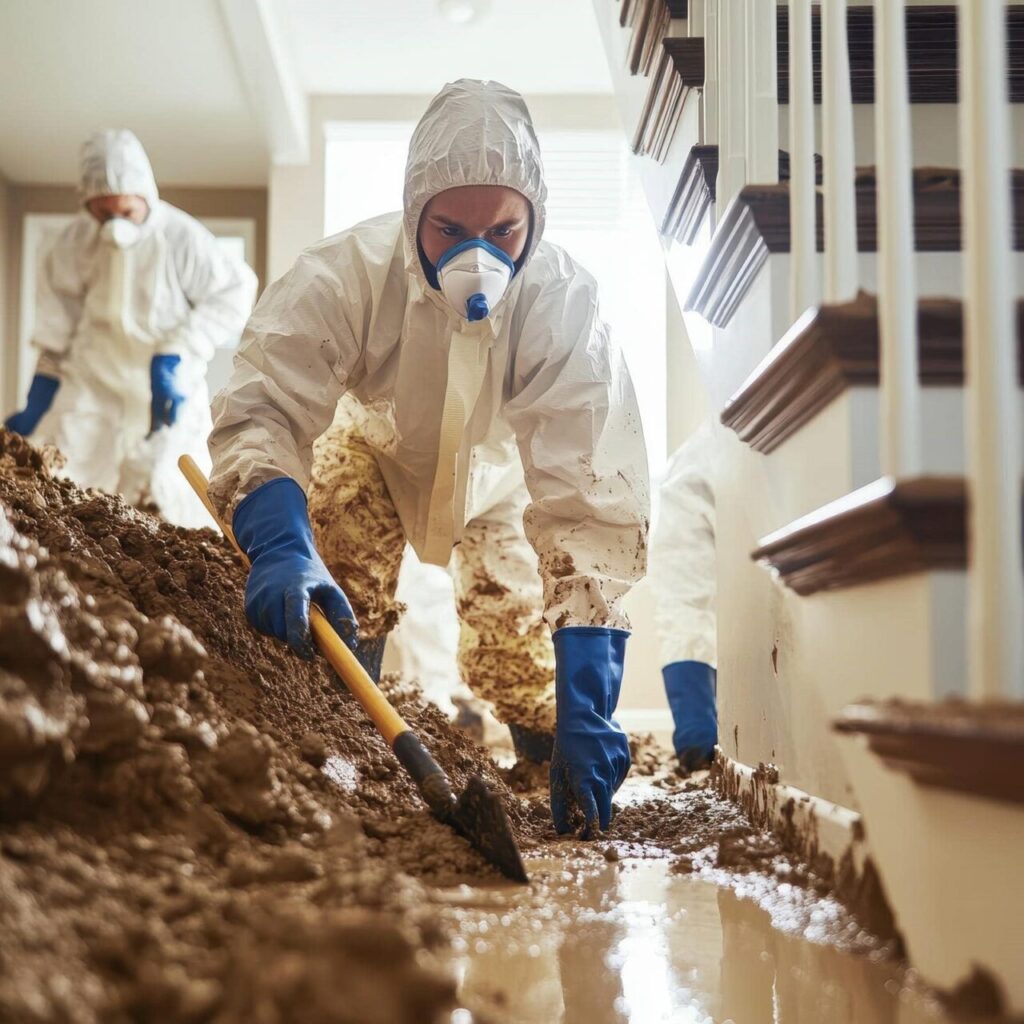
Your home is like a fortress, but even the strongest walls can be vulnerable to water’s relentless force. It’s vital to assess your property for risks that could lead to costly damage and safety hazards. By understanding where your weaknesses lie, you can take actionable steps to protect your investment and your family. So, what are the most effective water mitigation strategies to safeguard your home against water-related issues? Let’s explore those essential tips together.
Key Takeaways
- Assess your property for flood zone risks and conduct a thorough foundation inspection for cracks or settling signs.
- Ensure proper landscape grading to direct water away from the foundation and install effective drainage systems like French drains.
- Regularly maintain gutters and downspouts by cleaning them twice a year and ensuring proper water direction away from the home.
- Install water detectors in high-risk areas, such as basements and near appliances, to alert you of leaks or water presence.
- Create and regularly update an emergency response plan, including evacuation routes and a designated meeting point for your family.
Assessing Your Home for Vulnerabilities
When you assess your home for vulnerabilities, you’re taking an essential step toward preventing water damage.
Start by identifying if your property is in a flood zone; understanding this can guide your next actions.
Conducting a thorough foundation inspection is vital. Look for cracks or signs of settling that might allow water to enter.
Check the grading around your home; it should slope away from the foundation to direct water flow.
Examine your gutters and downspouts, ensuring they’re clear and directing water at least six feet away from your foundation.
Don’t overlook windows and doors; seals should be intact to prevent leaks.
Implementing Proper Drainage Solutions
To effectively manage water flow around your property, it’s crucial to implement proper drainage solutions that can greatly reduce the risk of flooding and water damage.
Start by evaluating your landscape grading; the slope of your yard should direct water away from your foundation. If it doesn’t, consider regrading areas to ensure the best drainage.
Installing effective drainage systems, such as French drains or surface drains, can also be pivotal. These systems collect excess water and channel it safely away from your home, minimizing the chance of saturation and soil erosion.
Additionally, integrating rain gardens can enhance your property’s aesthetics while managing stormwater.
By being proactive and strategic about your drainage, you’re not just protecting your home; you’re contributing to a healthier environment for your community.
Regular Maintenance of Gutters and Downspouts
While you mightn’t think about your gutters and downspouts often, regular maintenance is vital to prevent water damage to your home. Clogged gutters can lead to overflowing water, which may damage your roof, siding, and foundation.
Schedule gutter cleaning at least twice a year, ideally in spring and fall, to remove leaves, twigs, and debris. This simple task can save you from costly repairs down the line.
Additionally, verify your downspout installation directs water away from your home’s foundation. Inspect downspouts for blockages and make sure they discharge water at least six feet away from your house.
Investing time in these routine checks protects your home and fosters a sense of belonging in your community. After all, a well-maintained home reflects your commitment to your environment, and your neighbors will appreciate your efforts in safeguarding shared spaces.
Installing Water Detectors and Alarms
Installing water detectors and alarms can greatly enhance your home’s protection against unexpected leaks and flooding.
These devices come in various types, including spot detectors, which are ideal for high-risk areas like basements, and cable sensors that can cover larger spaces. When choosing water detector types, consider your home’s layout and potential problem areas.
For effective alarm placement, install detectors near appliances like washing machines, water heaters, and under sinks.
Don’t forget to place them in basements and crawl spaces, where water damage often goes unnoticed. Ensure alarms are loud enough to alert you, even when you’re asleep or away.
Creating an Emergency Response Plan
Having a well-thought-out emergency response plan can make all the difference when disaster strikes your home. Start by compiling a list of essential emergency contacts, including family members, neighbors, and local authorities. This ensures everyone can quickly reach one another for support when needed.
Next, identify and outline evacuation routes from your home, making sure these paths are clear and accessible. Practice these routes with your family so everyone knows exactly where to go in a crisis.
Incorporate a meeting point outside your home, ensuring it’s a safe distance away where everyone can gather. Regularly review and update your plan, especially as new family members join or changes occur in your environment.
Frequently Asked Questions
What Types of Insurance Cover Water Damage in Homes?
Homeowner policies typically cover sudden water damage, like burst pipes, while flood insurance is necessary for damage from rising water. Ascertain you understand your coverage to protect your investment and maintain peace of mind.
How Can I Identify Hidden Leaks in My Home?
To identify hidden leaks, you can schedule a plumbing inspection. For instance, a homeowner discovered a leak behind their wall using leak detection equipment, preventing costly damage and fostering a sense of community support among neighbors.
What Are the Signs of Mold Growth After Water Damage?
You’ll notice signs like musty odors, discoloration on walls, or a damp feeling in the air. Conducting a mold inspection and ensuring moisture control can help you address these issues before they worsen.
Can Landscaping Affect My Home’s Water Drainage?
Yes, landscaping techniques can greatly affect your home’s drainage. By implementing proper drainage solutions, like grading and strategic plant placement, you can direct water away from your foundation, preventing potential long-term damage and ensuring a safe environment.
What Should I Do Immediately After Discovering a Water Leak?
Act fast: turn off the water, document the leak for detection, and contact emergency response services. You’re not alone; help is always available.
Wrap-Up
By taking proactive steps to mitigate water risks, you’re not just protecting your property; you’re safeguarding your family’s future. Regular assessments, proper drainage solutions, and maintenance of gutters will keep potential disasters at bay, much like a knight fortifying their castle against siege. Installing water detectors and having an emergency plan in place will ensure you’re ready for anything. Remember, a little vigilance today can prevent a flood of regrets tomorrow. Stay prepared and stay safe.