
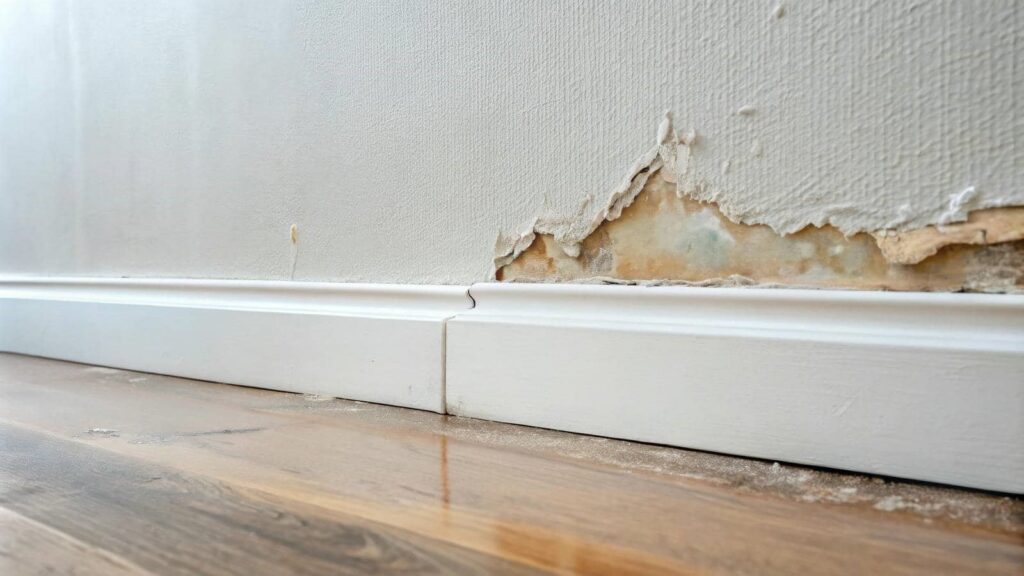
Flooding can feel like a relentless tide, sweeping away your sense of security. To tackle this challenge effectively, you need to act quickly and strategically. Start by evaluating the situation before rushing in. It’s vital to prioritize safety and gather the right tools for efficient water removal. But how do you ensure you’re not just moving water around, but actually eliminating it? Let’s explore essential techniques for rapid flood water removal.
Key Takeaways
- Gather essential tools like pumps, wet vacuums, and mops for efficient water extraction from flooded areas.
- Use submersible pumps for rapid removal of large water volumes in significant flooding situations.
- Open windows and doors to enhance airflow and expedite the drying process after water is removed.
- Employ fans and dehumidifiers to quickly reduce moisture levels in affected spaces.
- Remove damaged materials, such as carpets and drywall, to prevent mold growth and further deterioration.
Assessing the Situation
When flooding occurs, the first step is to evaluate the situation quickly and thoroughly. Start by determining the water level in your home or property. This helps you understand the extent of the flooding and what areas are most affected.
Next, conduct a damage evaluation to identify essential structural issues, such as weakened walls or ceilings that might pose a risk. Pay close attention to electrical outlets and appliances, as water can create hazardous conditions.
Document the damage with photos, which can assist with insurance claims later. While evaluating, prioritize areas that need immediate attention, focusing on those that could further deteriorate with prolonged exposure to water.
Safety First: Protecting Yourself and Others
Before you enter flooded areas, assess potential hazards like downed power lines or unstable structures.
Wear appropriate protective gear, such as boots and gloves, to shield yourself from chemicals and sharp objects.
Always follow emergency protocols to ensure your safety and that of others during the water removal process.
Assess Hazards Before Entering
As you prepare to enter a flooded area, it’s crucial to assess the hazards that may pose a threat to your safety.
Start with hazard identification; look for potential dangers like submerged debris, downed power lines, or unstable structures.
Conduct a thorough risk assessment by evaluating the severity and likelihood of these hazards.
Pay attention to water depth and current; fast-moving water can be deceptively dangerous.
If you’re unsure about the conditions, consider waiting for professionals to handle the situation.
Remember, your safety and the safety of others are paramount.
By taking the time to assess these hazards, you create a safer environment for yourself and those around you.
Stay vigilant, and prioritize safety in every step of your flood response efforts.
Use Protective Gear
It’s vital to wear protective gear to safeguard yourself during floodwater removal efforts. Start with sturdy, waterproof protective clothing to shield your skin from contaminants and debris.
Long boots are essential for keeping your feet dry and protected from sharp objects lurking beneath the water. Don’t forget safety goggles; they’ll prevent water and debris from injuring your eyes, ensuring you can work effectively.
Consider wearing gloves designed for hazardous materials to further protect your hands from chemicals and pathogens in the floodwater.
By prioritizing your safety with the right gear, you protect yourself and encourage others to follow suit, fostering a culture of safety during these challenging times.
Stay safe and work smart!
Follow Emergency Protocols
When managing floodwater removal, adhering to established emergency protocols is essential for your safety and the safety of those around you.
Make sure you know your emergency contacts and have them readily accessible. This includes local authorities, utility companies, and any disaster response organizations.
Prioritize flood preparedness by staying informed about local weather alerts and evacuation routes.
When faced with flooding, always assess the situation before taking action—never enter deep or fast-moving water. Use your protective gear, and if conditions seem unsafe, evacuate immediately.
Communicate with your family and neighbors about safety plans.
Gathering Essential Equipment
To effectively remove flood water, you’ll need the right tools and safety gear.
Start by gathering essential equipment like pumps, wet vacs, and mops, ensuring you can tackle the situation efficiently.
Don’t overlook safety gear, as it protects you from hazards while you work to restore your space.
Necessary Tools Overview
Having the right tools is essential for effectively removing flood water from your property. Start with flood pumps, which can quickly extract large volumes of water, making a significant difference in reducing damage. Choose one that suits your space; submersible pumps work well in deeper areas.
Next, invest in high-quality water vacuums, designed specifically for wet conditions. These vacuums can efficiently pick up remaining moisture from floors and carpets, ensuring a thorough clean-up.
Consider additional essentials like hoses and extension cords to enhance your setup. By gathering these tools, you’ll streamline the water removal process and safeguard your home against future damage.
Equip yourself with the right resources, and you’ll feel more confident in tackling flood recovery.
Safety Gear Importance
Safety gear is essential for anyone involved in floodwater removal, as it protects you from potential hazards.
You’ll want to invest in high-quality protective clothing, such as waterproof boots, gloves, and coveralls, to shield yourself from contaminants and sharp objects.
Confirm your safety equipment includes a sturdy helmet and goggles, which safeguard against falling debris and harmful debris in the water.
Don’t forget a life jacket if you’re working in deep or fast-moving water.
By equipping yourself with the right gear, you keep yourself safe and foster a sense of community responsibility.
Everyone working together can make a difference, and being prepared shows you care about your well-being and that of your neighbors.
Initial Water Removal Techniques
When floodwaters invade your space, acting quickly is essential to minimize damage and restore your environment.
Start with initial techniques for water extraction to reduce the impact of flooding. First, use a submersible pump if the water level is significant; this helps remove large volumes quickly. If the water is shallow, a wet/dry vacuum can effectively extract moisture from floors and carpets.
Next, open windows and doors to promote airflow, which aids in drying out the area. Use fans and dehumidifiers to further expedite the process.
Make sure to remove any damaged materials like carpets or drywall, as they can harbor mold.
Dealing With Contaminated Water
As floodwaters recede, you may encounter contaminated water that poses serious health risks.
It’s essential to identify and handle contaminated water sources carefully. These may include water mixed with sewage, chemicals, or hazardous materials. Always wear protective gear, such as gloves and boots, to minimize exposure.
Before beginning any cleanup, assess the extent of contamination. If you suspect severe contamination, consider contacting local authorities for guidance. They can help determine whether professional cleanup is necessary.
Never attempt to remove contaminated water without proper precautions. Use pumps or wet vacuums designed for hazardous materials to remove water safely.
Dispose of contaminated water according to local regulations to prevent further environmental damage.
Drying and Dehumidifying the Affected Area
After addressing any contaminated water issues, the next step is to dry and dehumidify the affected area to prevent mold growth and further damage.
Start by opening windows and doors to enhance air circulation, which helps speed up the drying process. Use fans and dehumidifiers to target moisture control effectively; these tools can notably reduce humidity levels.
For best results, place fans in a manner that promotes airflow toward the wet areas, ensuring even drying.
Regularly check surfaces for dampness and continue the drying process until everything is thoroughly dried.
Pay special attention to carpets, furniture, and insulation, as these materials can retain moisture and foster mold growth.
By actively managing air circulation and moisture control, you create a healthier environment and minimize potential future issues.
This proactive approach protects your space and fosters a sense of community and belonging as you share these tips with others facing similar challenges.
Preventing Future Water Damage
To effectively prevent future water damage, it’s essential to address potential vulnerabilities in your home before they become serious issues.
Start by using water-resistant materials in areas prone to moisture, like bathrooms and basements. These materials, such as waterproof paint and treated wood, help shield your home from water intrusion.
Additionally, installing moisture barriers in crawl spaces and basements can greatly reduce the risk of water damage. These barriers prevent ground moisture from seeping into your living spaces, keeping your home dry and comfortable.
Regularly inspect your roof, gutters, and downspouts to verify they’re clear and functioning properly.
You should also consider landscaping that directs water away from your foundation, as poor drainage can lead to considerable problems.
When to Call in Professionals
Knowing when to call in professionals can be important, especially if you’re dealing with extensive water damage.
If you notice any of the following situations, seeking professional services is a smart choice:
Widespread Water Accumulation: If the water covers a large area or is deeper than a few inches, it’s best to let experts handle it.
Mold Growth: If you spot mold or mildew, professionals can ensure safe removal and prevent health risks.
Structural Damage: If you suspect damage to walls, floors, or the foundation, emergency response is essential to protect your home.
Electrical Hazards: If water comes into contact with electrical systems, it’s important to call in specialists to avoid dangerous situations.
Frequently Asked Questions
How Can I Tell if My Foundation Is Damaged After Flooding?
To tell if your foundation’s damaged after flooding, conduct a thorough foundation inspection. Look for cracks, uneven surfaces, or water pooling. Evaluating structural integrity now can prevent costly repairs and ensure your home’s safety.
What Insurance Coverage Do I Need for Flood Damage?
You don’t have to worry; flood insurance types like NFIP and private policies offer essential coverage. Make sure you understand coverage limits and select appropriate options to protect your home from potential flood damage effectively.
Can I Use Regular Household Fans for Drying?
Yes, you can use regular household fans for drying. However, their effectiveness may be limited. Combine them with other drying techniques, like dehumidifiers, to enhance overall moisture removal and improve your home’s recovery process.
How Long Does It Take for Mold to Develop After Flooding?
Mold growth can start within 24 to 48 hours after flooding. To prevent it, act quickly by drying affected areas, using dehumidifiers, and ensuring proper ventilation. Your swift action can make all the difference.
Are There Any Specific Safety Gear Recommendations for Flood Cleanup?
You should always wear safety goggles and waterproof gloves during flood cleanup. These items protect you from debris and contaminants, ensuring your safety while you work. Prioritize your well-being to effectively handle the situation.
Conclusion
In the end, while you might think you’ve mastered rapid flood water removal, remember that sometimes, it’s the smallest oversight that leads to the biggest headaches—like ignoring a damp corner that breeds mold. It’s ironic, isn’t it? You rush to fix the chaos only to create new problems. So, as you tackle the mess, stay vigilant and thorough. And if it feels overwhelming, don’t hesitate to call in the pros; sometimes, expertise really is worth its weight in gold.