
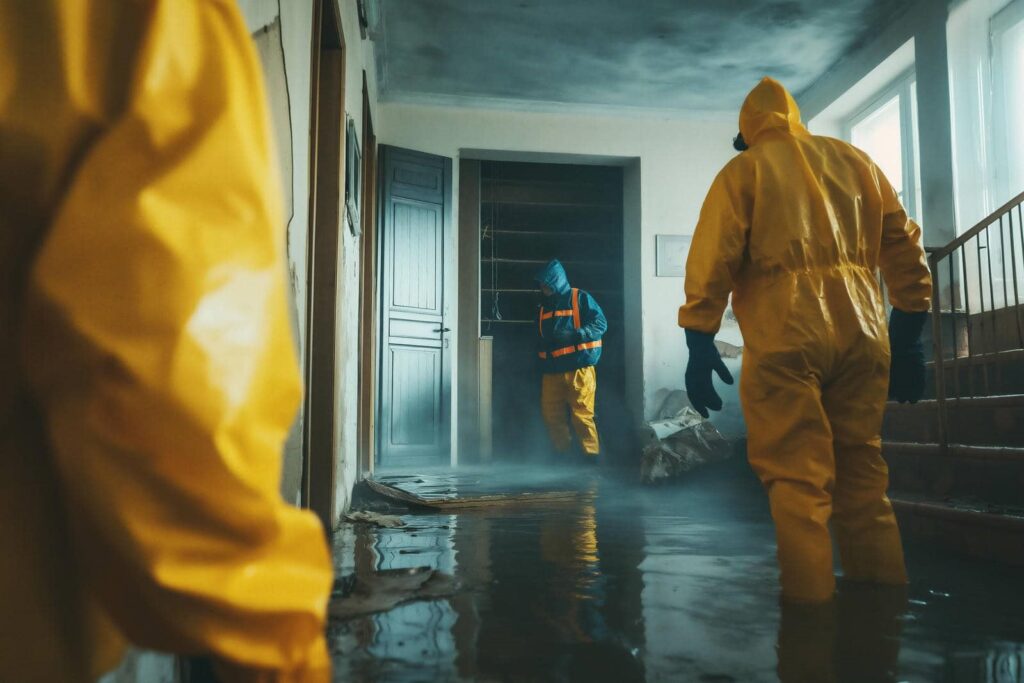
In an emergency, time is of the essence, yet the right tools can make all the difference. Knowing which equipment to use for flood water removal can drastically reduce damage and expedite recovery. From powerful submersible pumps to effective dehumidifiers, each tool serves a specific purpose. Understanding their functions and advantages is vital for effective flood management, and the choice you make could determine the outcome of your situation. What will you choose?
Key Takeaways
- Submersible pumps are vital for removing floodwater quickly, with options for clear water and sewage applications.
- Wet/dry vacuums offer powerful suction and large capacity, ideal for efficient water extraction during emergencies.
- Water extraction machines feature adjustable suction settings and portable designs for effective water removal in various flooding scenarios.
- Portable water removal systems provide high suction power and versatile attachments, ensuring quick and efficient response to water damage.
- Dehumidifiers are essential post-flood to reduce humidity and prevent mold growth, promoting a healthier environment.
Submersible Pumps
Submersible pumps are essential tools for effective flood water removal, designed to operate while submerged in water. Understanding the various submersible pump types is vital for choosing the right tool for your needs.
You’ll typically encounter two main categories: drainage pumps and sewage pumps. Drainage pumps excel in clear water applications, while sewage pumps handle solids and wastewater.
When faced with flooding, you need a reliable solution, and submersible pump applications extend beyond just emergency situations. They’re invaluable in construction, basements, and even agricultural settings, enabling efficient water management.
Selecting the appropriate pump enhances your flood response and safeguards your property from further damage.
Wet/Dry Vacuums
When choosing a wet/dry vacuum for flood water removal, consider key features like tank capacity, suction power, and filtration system.
You’ll also want to explore the best models available to ensure efficiency during emergencies.
Additionally, understanding maintenance and care can greatly extend the lifespan and performance of your vacuum.
Features to Consider
Selecting the right wet/dry vacuum for emergency floodwater removal requires careful consideration of several key features to ensure efficient, effective operation.
First, look for powerful suction capabilities measured in horsepower; this ensures rapid water removal, vital for emergency preparedness.
Next, consider tank capacity; larger tanks reduce the frequency of emptying, saving you time during a crisis.
A robust filtration system is essential to prevent debris from damaging the vacuum.
Additionally, check for portability and ease of use, as you’ll want a vacuum that’s easy to maneuver in flooded areas.
Finally, verify it’s compatible with your flood insurance requirements, as some policies may specify particular types of equipment for effective water removal.
Best Models Available
Finding the right wet/dry vacuum can make all the difference in effectively managing flood water removal.
To help you choose, here are some of the best models available, highly rated by user reviews:
Shop-Vac 5989300 – Known for its strong suction and durability.
DeWalt DXV10P – Offers a powerful motor and excellent filtration system.
Vacmaster Professional VQ607SFD – Features a large capacity and convenient drainage.
Bissell Crosswave – Multi-purpose vacuum that excels in wet and dry cleaning.
These models represent some of the best brands in the industry, ensuring you’re well-equipped to tackle any flood situation.
Choose wisely, and you’ll be part of a community that values effective flood management.
Maintenance and Care
Proper maintenance and care of your wet/dry vacuum is essential for ensuring its longevity and peak performance during flood water removal tasks.
To start, regularly check and clean the filter to prevent clogs that hinder suction. Empty the tank promptly after use to avoid corrosion and mold growth, which can compromise water safety.
Inspect hoses and attachments for leaks or damage, replacing them as needed. Additionally, store your vacuum in a dry, cool place to protect its components.
By prioritizing these maintenance steps, you enhance your flood preparedness, ensuring your equipment is ready when you need it most.
Water Extraction Machines
Water extraction machines play a critical role in mitigating the damage caused by flooding, as they efficiently remove excess water from affected areas.
These machines are essential in minimizing water damage and restoring your environment quickly. Here’s what you need to know about their features:
Powerful Motors: They come equipped with robust motors that enhance extraction efficiency, allowing for rapid water removal.
Versatile Suction: Many models offer adjustable suction settings, making them suitable for various types of flooding scenarios.
Portable Designs: Most machines are lightweight and easy to maneuver, enabling you to access hard-to-reach areas with ease.
Built-in Filtration: Advanced filtration systems help eliminate debris, ensuring cleaner water removal and protecting your property.
Investing in a quality water extraction machine can greatly reduce the impact of flooding, allowing you to reclaim your space sooner.
Flood Barriers
When it comes to flood protection, understanding the types of flood barriers available is essential for effective implementation.
You’ll want to consider both the installation process and ongoing maintenance to ensure these barriers perform at their best when needed.
Each barrier type has unique characteristics that can greatly influence your flood response strategy.
Types of Flood Barriers
Although floods can strike unexpectedly, having the right barriers in place can greatly mitigate damage. Understanding the various flood barrier types and their materials is essential for effective protection.
Here’s a breakdown of common types you should consider:
Sandbags: Traditional and cost-effective, but labor-intensive and less durable.
Inflatable Barriers: Quick to deploy and reusable, made from strong rubberized materials.
Permanent Barriers: Constructed from concrete or steel, offering long-term protection but requiring significant investment.
Removable Barriers: Typically made from lightweight materials, these can be set up as needed, providing flexibility without permanent installation.
Installation and Maintenance Tips
Proper installation and maintenance of flood barriers are essential for ensuring their effectiveness in protecting your property. Start by following precise installation techniques, ensuring a tight seal at all joints and anchoring systems. Use level ground and check for any debris that might compromise the barrier’s integrity.
Once installed, set up a maintenance schedule to inspect barriers regularly, particularly before flood season. Look for signs of wear, corrosion, or any structural issues. Clean barriers thoroughly after each use to prevent sediment buildup, which can weaken their performance.
Sump Pumps
Sump pumps are essential tools for managing excess water during an emergency flood situation. They effectively remove water from basements or low-lying areas, helping to prevent damage.
Understanding the different sump pump types and proper sump pump installation is critical for ideal performance. Here’s what you should consider:
Submersible Pumps: These sit underwater and can handle larger volumes, making them ideal for heavy flooding.
Pedestal Pumps: Positioned above the water, they’re easier to service but may not be as powerful as submersible options.
Battery Backup Pumps: These ensure operation during power outages, providing peace of mind when you need it most.
Smart Pumps: Equipped with sensors, they monitor water levels and send alerts to your phone.
Selecting the right type and ensuring proper installation can save you from costly repairs and give you peace of mind during flood emergencies.
Dehumidifiers
When flooding occurs, dehumidifiers become vital for restoring indoor air quality and preventing mold growth. These powerful devices excel in moisture control, effectively removing excess humidity from the air and surfaces.
For peak dehumidifier efficiency, choose a unit that matches the size of the affected area. Larger spaces require higher-capacity units to ensure rapid drying.
Setting your dehumidifier to the appropriate humidity level, typically around 30-60%, is essential for peak results. Regularly emptying the water reservoir or using a continuous drainage option can enhance the unit’s performance, allowing it to operate without interruption.
Additionally, consider the type of dehumidifier: refrigerant models are great for warmer environments, while desiccant models perform better in cooler temperatures.
Portable Water Removal Systems
Portable water removal systems are essential tools for quickly addressing water damage after a flood. When you face this emergency, these systems offer efficient solutions to mitigate long-term damage.
Here’s what you should look for in a portable water removal system:
Suction Power: Choose a system with high suction capabilities to efficiently extract water.
Portability: Opt for lightweight models that you can easily transport to different areas.
Versatile Attachments: Look for systems that come with various nozzles and hoses for different surfaces and hard-to-reach areas.
Durability: Confirm the materials are robust enough to withstand heavy use in challenging conditions.
With the right portable water removal systems, you’ll act swiftly and effectively, protecting your home and belongings from further damage.
Investing in these tools means you’re part of a community that values preparedness and resilience.
Frequently Asked Questions
How Do I Choose the Right Pump for My Flood Situation?
To choose the right pump, assess the flood type and calculate the required pump capacity based on water volume. Match the pump’s specifications to your needs for efficiency and effectiveness in managing the situation.
What Safety Precautions Should I Take During Water Removal?
Think of water removal as steering through a stormy sea. Wear safety gear like gloves and boots, and watch for electrical hazards. Always disconnect power before starting, ensuring you steer clear of dangers lurking beneath the surface.
Can I Rent Water Removal Equipment Instead of Buying?
Yes, you can rent water removal equipment. Conduct a cost comparison between renting and buying to determine the most economical option for your situation, ensuring you have the right tools without the long-term commitment.
How Long Does It Typically Take to Remove Flood Water?
Typically, water removal from a flood can take anywhere from a few hours to several days, depending on the flood duration and equipment used. You’ll find that faster action leads to better outcomes for your property.
What Should I Do After Water Removal to Prevent Mold?
After water removal, use drying techniques like fans and dehumidifiers to reduce humidity. Make certain proper ventilation is maintained, and inspect for hidden moisture. Prompt action is essential for mold prevention and maintaining a safe, healthy environment.
Summary
When it comes to tackling floodwater, having the right tools at your fingertips can make all the difference. Whether you’re using submersible pumps to clear standing water or dehumidifiers to fend off mold, each tool plays a crucial role in the recovery process. Remember, in the heat of the moment, you want to hit the ground running. Equip yourself with these essential tools, and you’ll be better prepared to weather any storm that comes your way.