
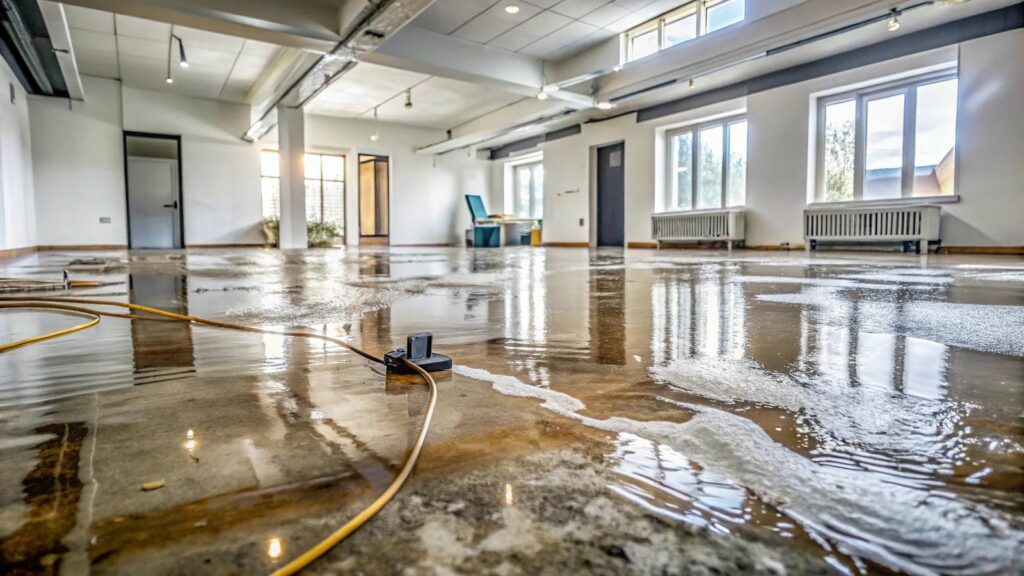
When your business faces flood damage, knowing the right damage restoration methods is essential. First, you need to assess the damage and identify any safety risks. Then, effective water extraction techniques can minimize further harm. Following that, drying and dehumidification play a key role in preventing mold growth. But what comes next? The significance of thorough cleaning and sanitization can’t be overlooked, as it sets the stage for successful restoration and repair.
Key Takeaways
- Conduct a thorough damage assessment to identify structural risks and safety hazards before initiating restoration efforts.
- Implement prompt water extraction using industrial and portable pumps to minimize further property damage.
- Utilize moisture mapping and dehumidification equipment to effectively dry affected areas and prevent mold growth.
- Clean and sanitize all surfaces with EPA-approved disinfectants to eliminate bacteria and viruses from floodwater exposure.
- Repair and restore damaged structures with water-resistant materials, reinforcing them for future flood resilience.
Assessing the Damage and Safety Risks
Before you start any restoration efforts, it’s crucial to assess the damage and identify safety risks. Begin with a thorough damage evaluation, inspecting structural elements like walls, ceilings, and floors for signs of weakness or compromise.
Check electrical systems for short circuits or hazards, and assess the condition of equipment and inventory. Document everything meticulously, as this information will guide your restoration plan and may be necessary for insurance claims.
Next, conduct a safety assessment to protect yourself and your team. Look for hazards such as slippery surfaces, mold growth, and contaminated water, which can pose serious health risks.
Always wear appropriate personal protective equipment, like gloves and masks, during your evaluation. By prioritizing these steps, you’ll create a safer environment and set a solid foundation for effective restoration efforts, fostering a sense of community and support in overcoming the disaster together.
Water Extraction Techniques
Once you’ve assessed the damage and identified safety risks, the next step is to implement effective water extraction techniques.
You’ll want to start with water removal, as time is of the essence in minimizing further damage. Industrial pumps are your best ally here; they can efficiently remove large volumes of water quickly.
Use submersible pumps for deeper standing water, allowing you to clear out flooded areas without delay. For smaller pools, portable extraction units can effectively suction water from carpets and hard surfaces.
Don’t forget to check for hidden pockets of water, as moisture can linger in walls and floors.
Employing a combination of techniques ensures you cover all bases and protect your business assets.
Drying and Dehumidification Process
As you move forward in the restoration process, drying and dehumidification play a critical role in preventing mold growth and further structural damage.
Start by employing moisture mapping to identify areas with trapped water, ensuring no hidden pockets remain. Using specialized dehumidification equipment, you’ll effectively reduce humidity levels, promoting faster evaporation of moisture from walls, floors, and furnishings.
Place dehumidifiers strategically throughout the affected areas, adjusting them based on real-time humidity readings. This will help maintain ideal conditions for drying.
Additionally, consider using air movers to enhance airflow, which accelerates the drying process.
Monitor progress regularly, checking moisture levels with hygrometers and making adjustments as needed. By prioritizing efficient drying and dehumidification, you create a safer environment for your business and greatly lower the risk of future complications.
Cleaning and Sanitizing Affected Areas
After confirming that the affected areas are thoroughly dried, it’s vital to move on to cleaning and sanitizing to eliminate contaminants and prevent health hazards.
Start by using a mixture of water and a suitable disinfectant option, focusing on surfaces that came into contact with floodwater. Pay special attention to porous materials, which can harbor bacteria and mold, undermining mold prevention efforts.
Scrub surfaces vigorously and rinse them well to ensure no residue remains. For high-touch areas, consider using EPA-approved disinfectants that are effective against viruses and bacteria.
After cleaning, allow the surfaces to dry completely to inhibit mold growth.
It’s essential to wear protective gear, including gloves and masks, during this process to safeguard your health.
Restoration and Repair of Damaged Structures
Evaluating the extent of flood damage is essential for effective restoration and repair of your business’s structures. Start by examining the structural integrity of walls, floors, and foundations. Look for signs of warping, cracking, or water intrusion. If you notice significant damage, consult a professional engineer to determine the best course of action.
After identifying the issues, prioritize repairs to restore stability. Replace compromised materials like drywall and flooring with water-resistant alternatives. Reinforce weakened structures to ensure they can withstand future events.
Additionally, implement long-term prevention strategies, such as installing sump pumps or improving drainage systems. Regular inspections can help you catch potential problems before they escalate.
Frequently Asked Questions
How Can Businesses Prevent Future Flood Damage?
You can prevent future flood damage by installing flood barriers and optimizing drainage systems. Regular maintenance of these systems ensures they function effectively, minimizing risks and protecting your business from costly flood-related disruptions.
What Insurance Coverage Is Necessary for Flood Damage?
You need flood insurance that covers structural damage and contents. Look for policies offering replacement cost coverage and additional living expenses. Make certain you understand coverage types to protect your business from devastating losses.
How Long Does the Restoration Process Typically Take?
The restoration timeline typically ranges from a few days to several weeks. Effective drying techniques expedite the process, ensuring moisture is eliminated efficiently, preventing further damage and promoting a quicker return to normal operations for you.
Can I Handle Flood Damage Restoration Myself?
Sure, you can tackle DIY restoration, but flood cleanup isn’t just mopping up puddles. It’s technical work requiring equipment and expertise. You might just find it’s better to call the pros for a thorough job.
What Are the Costs Associated With Flood Damage Restoration?
Flood damage restoration costs vary, typically including flood assessment fees and rental expenses for restoration equipment. You’ll need to budget for labor and materials, which can greatly impact your overall expenses during the restoration process.
Review
Mastering these top five flood damage restoration methods can transform your business from a soggy disaster zone into a pristine, thriving environment. By swiftly evaluating damage, extracting water like a superhero, and drying out your space with industrial might, you’ll banish mold and bacteria to the depths of oblivion. With thorough cleaning and robust restoration, your establishment won’t just recover; it’ll shine like a beacon of resilience, ready to face any storm that comes its way!