
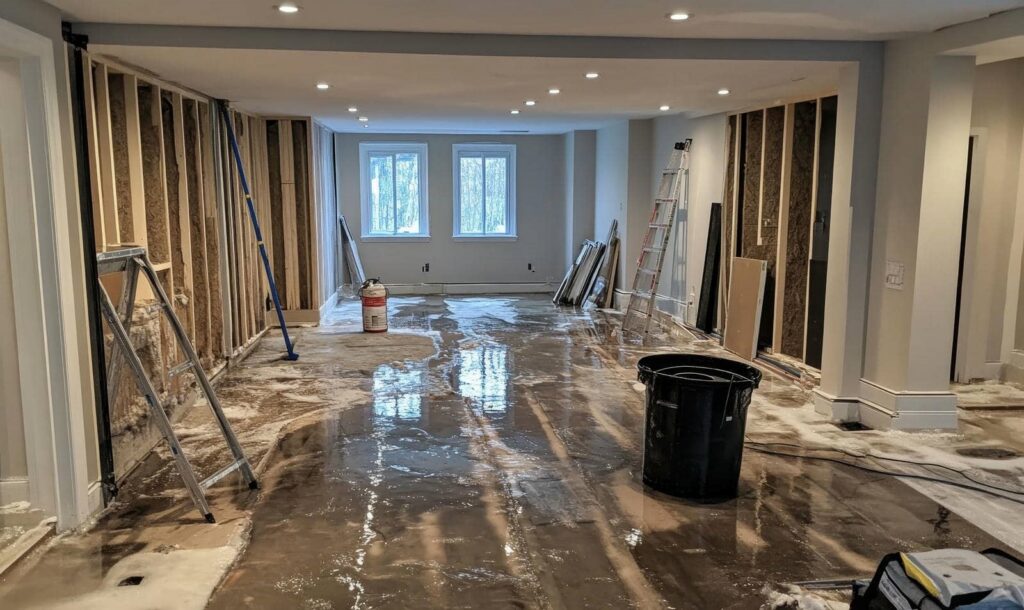
When a flood strikes, your immediate response can make all the difference in minimizing damage. First, assess the situation for safety and structural integrity. Next, gather the right tools like water pumps and vacuums to tackle the water. Don’t waste time; start extracting water as soon as you can. After that, drying out the affected areas becomes essential. But that’s just the beginning—there’s more to reflect on to ensure your space remains safe and healthy.
Key Takeaways
- Assess the situation for flood damage and ensure structural safety before beginning water removal.
- Gather powerful pumps and hoses, along with protective gear like gloves and boots.
- Start water extraction immediately using submersible pumps or wet/dry vacuums to minimize damage.
- Remove wet materials like carpets and furniture to promote faster drying and prevent mold growth.
- Monitor humidity levels and use dehumidifiers and fans to dry out affected areas effectively.
Assess the Situation Quickly
How can you quickly evaluate a flooding situation? Start by checking for flood damage in your immediate area. Look for signs like water levels, debris, and the condition of your surroundings.
Stay aware of structural integrity; if a building looks compromised, it’s best to keep your distance.
Next, prioritize safety precautions. Confirm you wear protective gear, such as boots and gloves, to shield yourself from contaminants.
If you encounter downed power lines, avoid them at all costs and report the situation to authorities.
Use your judgment to determine if it’s safe to stay or if you need to evacuate.
Listen to local news updates for guidance and stay connected with neighbors to share information and resources.
Gather Necessary Equipment
When dealing with flooding, having the right equipment on hand is essential for effective water removal. Start by gathering powerful water pumps to quickly extract standing water. Whether you opt for submersible or utility pumps, make sure they’re capable of handling the volume.
You’ll also need hoses to direct water away from your home.
Don’t forget about safety gear. Wear waterproof boots, gloves, and masks to protect yourself from contaminants and slippery surfaces. Consider goggles, too, to shield your eyes from debris.
Collect towels, mops, and buckets for any leftover moisture or smaller areas that need attention. A wet/dry vacuum can also be invaluable for finishing touches.
Start Water Extraction Immediately
Start the water extraction process as soon as it’s safe to do so. Delaying can lead to further damage and mold growth.
First, identify the water source; if it’s from a flood, you’ll want to act quickly. Use effective extraction methods like submersible pumps or wet/dry vacuums to remove standing water. Make sure you wear protective gear, as floodwater can be contaminated.
If you’re not equipped for heavy-duty extraction, consider renting or borrowing equipment from local community centers or neighbors. Time is vital, so enlist friends or family to help speed up the process.
Once you’ve started, keep an eye on any remaining moisture and be prepared to tackle it as it arises. Remember, the faster you extract water, the better chance you have of minimizing damage to your home and belongings.
Working together helps you tackle the problem and strengthens your community bonds.
Dry Out the Affected Areas
To effectively dry out the affected areas, immediately remove any wet materials like carpets, rugs, and furniture that can trap moisture.
Once you’ve cleared the space, it’s time to focus on air circulation. Open windows and doors to encourage airflow, but ensure safety first. If the humidity is high outside, it’s better to keep them closed.
Utilize a dehumidifier to draw out excess moisture from the air, speeding up the drying process. Place the dehumidifier in the center of the most affected area for maximum efficiency.
Additionally, use fans to enhance air movement throughout the space, which helps reduce drying time. Monitor these appliances closely and adjust settings as needed.
By taking these steps, you create a healthier environment and reduce the risk of prolonged dampness, which can lead to further damage.
Monitor for Mold Growth
After drying out the affected areas, it’s important to keep an eye out for mold growth, which can develop quickly in damp environments.
Mold can pose health risks to you and your family, so taking proactive steps for mold prevention is essential. Start by regularly checking for signs of mold, such as musty odors or discoloration on walls and ceilings.
Humidity control is key to preventing mold. Use dehumidifiers and air conditioners to maintain indoor humidity levels below 60%. Open windows to promote air circulation when the weather permits.
If you spot mold, address it immediately using appropriate cleaning solutions or seek professional help if the infestation is extensive.
Regularly inspect hidden areas like basements and crawl spaces, as these can be breeding grounds for mold.
Frequently Asked Questions
Is It Safe to Enter My Home After a Flood?
It’s not safe to enter your home after a flood until a professional conducts a structural assessment. Flood damage can compromise safety, so wait for clearance before returning to prevent injuries and further issues.
How Can I Prevent Further Damage While Waiting for Help?
To prevent further water damage, quickly remove standing water and dry out affected areas. Use fans and dehumidifiers for mold prevention. Stay connected with neighbors; sharing resources can help everyone recover faster and feel supported.
What Personal Protective Equipment Should I Wear During Water Removal?
Wear protective gear like gloves, boots, and masks while removing water. These safety precautions help shield you from contaminants and reduce injury risks. Stay safe, and remember, you’re not alone in this challenging situation.
Can I Use a Regular Vacuum for Water Extraction?
No, you can’t use a regular vacuum for water extraction. Instead, opt for specialized wet/dry vacuums designed for this task. They handle heavy hydration without harm, ensuring effective extraction and keeping your space safe and dry.
How Long Should I Wait Before Re-Entering My Home?
You should wait at least 24 to 48 hours before re-entering your home. Conduct a thorough home safety assessment during this flood recovery timeline to ensure it’s safe and secure for you and your family.
Summary
In the aftermath of a flood, don’t delay—act decisively! Swiftly assess, gather gear, and start water extraction to safeguard your space. Drying out damp areas diligently is essential to combat mold and mildew. By monitoring moisture levels and maintaining a vigilant watch, you’ll protect your property from prolonged devastation. Remember, a prompt and proactive approach is your best ally in battling the aftermath of water woes. Stay safe, stay smart, and tackle the turmoil head-on!