
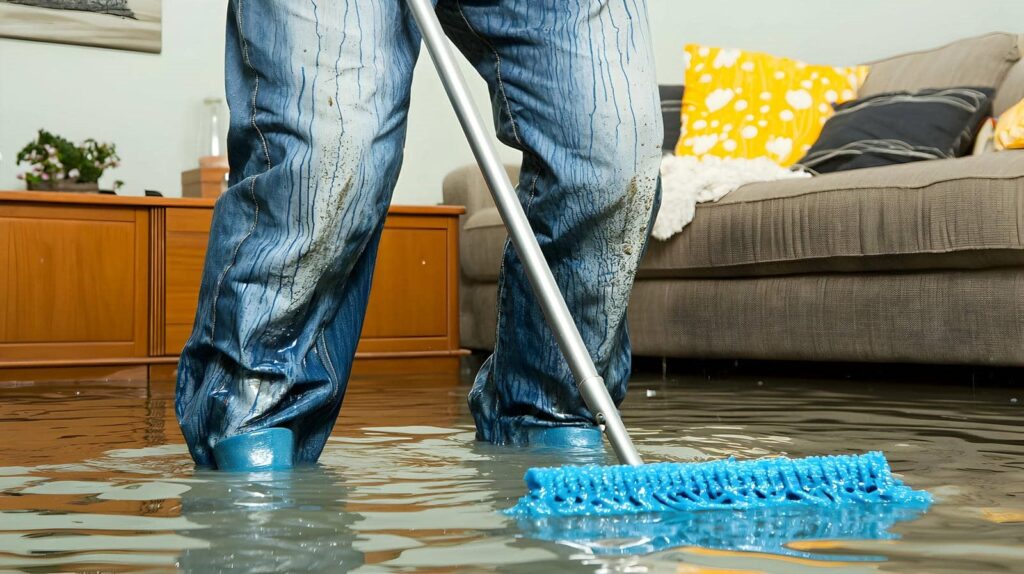
Many people underestimate the importance of specialized equipment when it comes to flood water removal. Without the right tools, restoration can become inefficient and dangerous. Understanding the types of equipment available can greatly impact your recovery efforts. For instance, submersible pumps and wet/dry vacuums serve distinct purposes. Exploring these options can lead to better outcomes in managing flood situations effectively.
Key Takeaways
- Submersible pumps are crucial for effective water extraction and reducing electrical hazards in flooded areas.
- Wet/dry vacuums provide versatility and efficiency for removing water from various surfaces.
- Truck-mounted systems excel in rapid water removal for large-scale flooding due to their high-capacity engines.
- Dehumidifiers are vital for moisture control, preventing mold growth, and improving indoor air quality after flooding.
- Regular maintenance and safety precautions, like wearing PPE and shutting off power, are essential during water removal processes.
Types of Flood Water Removal Equipment
When dealing with flood damage, understanding the various types of flood water removal equipment can greatly impact the efficiency of the cleanup process. You’ll want to become familiar with pumps, vacuums, and dehumidifiers, as each plays a vital role in effective flood response strategies.
Submersible pumps are ideal for removing standing water quickly, while wet/dry vacuums excel at extracting water from carpets and hard surfaces. As equipment evolution continues, innovations like truck-mounted vacuums offer enhanced suction capabilities for larger areas, speeding up recovery.
Additionally, industrial dehumidifiers help mitigate moisture and prevent mold growth, which can threaten your health. By choosing the right tools for the job, you’ll streamline your cleanup efforts and foster a sense of community resilience.
Investing time in understanding these essential equipment types ensures you’re well-prepared to tackle any flood situation effectively.
Importance of Using the Right Equipment
Using the right flood water removal equipment is essential, as it directly influences the speed and effectiveness of the recovery process.
When you face flood damage, having the appropriate tools can make all the difference in minimizing losses and restoring your space efficiently.
Here are four key benefits of using the right equipment:
Faster Water Removal: High-capacity pumps and vacuums reduce standing water quickly.
Enhanced Equipment Efficiency: Specialized tools such as dehumidifiers ensure thorough drying, preventing mold growth.
Reduced Long-term Costs: Using effective equipment minimizes the risk of ongoing damage and costly repairs.
Improved Safety: Proper tools can help avoid hazards, ensuring a safer working environment during the recovery process.
Submersible Pumps: Key Features and Benefits
Submersible pumps are essential in flood water removal, as they effectively manage and eliminate large volumes of water from affected areas.
These pumps operate underwater, preventing any risk of electrical hazards while efficiently drawing water from depths. When choosing between popular submersible pump brands, consider factors like flow rate, power consumption, and durability.
For maximum performance, you’ll want to follow specific pump installation tips. Make sure to position the pump in the lowest area to maximize water extraction.
Always check the power supply and verify that the pump has a proper float switch to prevent running dry. Regular maintenance is key; inspect the pump for debris and clean filters to promote longevity.
With the right submersible pump and correct installation, you can tackle flood water removal effectively, making a significant difference in recovery efforts.
Wet/Dry Vacuums: Versatility in Water Removal
Wet/dry vacuums offer incredible versatility for water removal in flood situations, making them a valuable tool for both homeowners and professionals.
Their ability to handle large volumes of water quickly and efficiently can save you time and effort. To enhance their effectiveness, consider the following:
Choose the Right Size: Select a vacuum that matches the scale of the job for peak performance.
Use Appropriate Accessories: Enhance your vacuum’s capabilities with specialized attachments like extension wands and floor nozzles.
Regular Maintenance: Keep your equipment in top shape with routine wet/dry vacuum maintenance, such as cleaning filters and checking hoses.
Proper Storage: Make sure your vacuum is stored in a dry place to prevent damage and prolong its lifespan.
Truck-Mounted Systems for Large-Scale Flooding
When dealing with large-scale flooding, truck-mounted systems offer robust solutions tailored for efficient water removal.
You’ll find that these systems come equipped with advanced features and specifications designed to handle significant volumes of water quickly.
Understanding the advantages and best practices for operating these systems can optimize your flood response efforts.
Equipment Specifications and Features
As you tackle large-scale flooding, truck-mounted systems provide robust solutions designed to efficiently remove floodwater from affected areas.
Understanding the specifications and features of these systems is essential for effective operation. Here are key aspects to take into account:
Equipment Durability: Built to withstand harsh conditions, ensuring longevity and reliability.
Power Requirements: High-capacity engines that support powerful pumps for rapid water extraction.
Pump Capacity: Typically ranging from 500 to 3,000 GPM, facilitating swift water removal.
Hose Length: Extended hoses can reach remote areas, maximizing your operational efficiency.
Advantages of Truck-Mounted Systems
Truck-mounted systems offer significant advantages for large-scale flooding operations, making them a preferred choice among disaster response teams.
One of the key truck-mounted advantages is their mobility; these systems can quickly reach affected areas, enhancing flood response efficiency. They’re equipped with powerful pumps, capable of removing substantial volumes of water in a short timeframe, which is vital during emergencies.
Additionally, their integrated design minimizes the need for additional equipment, streamlining operations. The ability to carry large tanks also means that more water can be transported and disposed of effectively, reducing downtime.
With these systems, you can ensure a faster, more coordinated response, improving overall rescue efforts and helping your community recover more swiftly from flood damage.
Best Practices for Operation
To ensure peak performance during large-scale flooding operations, it’s crucial to follow best practices for operating truck-mounted systems. Proper equipment training enhances your team’s skills, ensuring operational efficiency and safety.
Here are four key practices to implement:
Conduct Regular Maintenance: Always inspect and service equipment before deployment to prevent failures.
Utilize Proper Techniques: Follow manufacturer guidelines for best performance and safety.
Train Your Team: Confirm all operators are well-trained in handling equipment, focusing on emergency procedures.
Monitor Performance: Keep track of operational metrics to identify areas for improvement and maintain high efficiency.
Air Movers: Speeding Up the Drying Process
How can you effectively expedite the drying process after a flood? Air movers are essential tools designed to enhance air mover efficiency, considerably reducing drying time.
By creating a powerful airflow across wet surfaces, they help evaporate moisture more rapidly. When positioned strategically, these machines circulate air to speed up evaporation, ensuring that every corner of the affected area receives the airflow needed for effective drying.
To maximize air mover efficiency, make sure they’re placed close to wet areas, directing airflow towards surfaces that need drying the most. You should also consider utilizing multiple units, as this can create a more uniform airflow and further decrease drying time.
Dehumidifiers: Preventing Mold Growth
Dehumidifiers play an essential role in preventing mold growth after flooding. By effectively reducing humidity levels, they create an environment less conducive to mold spores.
Understanding the different types of dehumidifiers and best practices for their use is essential for ideal results.
Importance of Dehumidifiers
Mold growth poses a considerable threat in water-damaged environments, and effective moisture control is essential for prevention.
Using dehumidifiers greatly enhances dehumidifier efficiency, ensuring that humidity levels remain low.
Here are four key reasons why dehumidifiers are crucial:
Mold Prevention: They reduce moisture, inhibiting mold spores from thriving.
Improved Air Quality: Lower humidity levels lead to fresher, healthier indoor air.
Structural Integrity: Preventing excess moisture protects walls and foundations from damage.
Comfort: A controlled humidity level creates a more comfortable living space.
Types of Dehumidifiers
When selecting the right dehumidifier for your needs, it’s vital to understand the various types available, as each serves a specific purpose in moisture control.
Portable dehumidifiers are ideal for residential use, offering flexibility and ease of movement, making them perfect for small spaces. They efficiently remove moisture and help prevent mold growth, especially in basements or flood-affected areas.
On the other hand, industrial dehumidifiers are designed for larger spaces and high-capacity moisture removal. They’re suitable for warehouses or construction sites, where humidity control is essential to protect materials and maintain a safe environment.
Choosing the right type ensures effective moisture management and contributes to a healthier living or working space, fostering a sense of community and well-being.
Best Practices for Use
To effectively prevent mold growth in your space, using dehumidifiers requires adherence to best practices that enhance their performance.
Implement these strategies as part of your flood recovery strategies:
Set the right humidity level: Maintain indoor humidity below 60% to inhibit mold growth.
Position strategically: Place dehumidifiers in areas with the highest moisture levels for maximum efficiency.
Regular maintenance: Clean filters and check for clogs to ensure peak operation.
Consider equipment rental options: If you need high-capacity dehumidifiers, explore local rental businesses to find the right fit for your needs.
Safety Considerations During Water Removal
Securing safety during water removal is essential, as improper handling can lead to serious injuries or health risks.
Start by wearing appropriate personal protective equipment (PPE), such as gloves, boots, and masks, to shield yourself from contaminants and hazardous materials often found in floodwater.
Electrical safety is paramount; always verify that the power supply to affected areas is shut off before beginning work.
Utilize ground-fault circuit interrupters (GFCIs) to protect against electrical shocks when using power tools and equipment in wet conditions.
Be cautious of submerged hazards, such as sharp objects or unstable surfaces, and always have a buddy system in place to help monitor your surroundings.
Prioritize your well-being and that of your team by staying alert and communicating effectively throughout the removal process.
Following these safety considerations can help you navigate the challenges of water removal more effectively, fostering a safer environment for everyone involved.
Maintenance and Care for Water Removal Equipment
To ensure peak performance of your water removal equipment, regular cleaning is essential.
You should conduct thorough inspections to identify any wear or damage, addressing repairs promptly to maintain efficiency.
Neglecting these maintenance tasks can lead to decreased effectiveness and costly breakdowns.
Regular Cleaning Procedures
While the effectiveness of flood water removal equipment largely depends on its design and capabilities, regular cleaning and maintenance play an essential role in ensuring peak performance and longevity.
By adhering to proper cleaning frequency and equipment sanitization, you’ll maximize your equipment’s efficiency. Here are four key steps to follow:
Daily Inspections: Check for any visible debris or damage.
Cleaning: Wipe down surfaces and remove dirt after each use to prevent buildup.
Deep Cleaning: Schedule thorough cleanings weekly, focusing on filters and hoses.
Sanitization: Use appropriate disinfectants to eliminate mold and bacteria, especially after flood events.
Inspection and Repairs
Regular inspections and timely repairs are essential for maintaining the efficiency of your flood water removal equipment.
Utilize effective inspection techniques, such as visual checks and performance assessments, to identify any potential issues early. Pay attention to wear and tear on hoses, pumps, and filters, as these components are critical for peak function.
When you spot problems, follow established repair procedures to ensure safe, effective fixes. This might involve replacing damaged parts or recalibrating equipment settings.
Keeping a detailed maintenance log helps track your inspections and repairs, fostering a sense of community among operators who prioritize equipment longevity.
Professional Services vs. DIY Water Removal Solutions
When faced with water damage, you might wonder whether to hire professional services or tackle the problem yourself with DIY solutions. Conducting a cost comparison and effectiveness analysis can help you make an informed decision.
Here are some key considerations:
Equipment Access: Professionals have high-grade tools that may be costly for you to rent or purchase.
Expertise: Trained technicians can quickly identify hidden damage, minimizing long-term issues.
Time Efficiency: Professionals can often complete the job faster than you could on your own, saving you time and stress.
Insurance Handling: Many water damage services can assist with insurance claims, making the process smoother.
Ultimately, while DIY solutions can save money, professional services typically provide superior results, especially for extensive damage.
Weigh these factors carefully to choose the best approach for your situation.
Frequently Asked Questions
How Do I Determine the Right Equipment for My Specific Flooding Situation?
To determine the right equipment for your flooding situation, conduct a flood assessment first. Evaluate water depth and contamination levels to guide your choice of equipment types, ensuring you select the most effective tools for your needs.
Can I Rent Flood Water Removal Equipment Instead of Buying It?
Yes, you can rent flood water removal equipment. Renting offers benefits like cost savings and immediate equipment availability, ensuring you have the right tools for your situation without the commitment of purchase.
What Is the Average Cost of Professional Flood Water Removal Services?
You’ll typically pay between $3 to $7 per square foot for professional flood damage restoration services. Restoration costs can vary based on severity, but investing in experts ensures a thorough cleanup and prevents future complications.
How Long Does It Typically Take to Remove Flood Water Completely?
Typically, complete water extraction takes 24 to 48 hours, depending on the duration of flooding and the area affected. You’ll see progress as technicians efficiently pump out water, drying out your space and restoring comfort.
Are There Any Eco-Friendly Options for Flood Water Removal Equipment?
Yes, there are eco-friendly options for floodwater removal. Look for equipment made from sustainable materials and designed for energy efficiency, ensuring effective water removal while minimizing environmental impact. You’ll contribute positively to both recovery and sustainability.
Recap
Using the right flood water removal equipment is vital for effective restoration. Did you know that homes affected by flooding can suffer mold growth within just 24 to 48 hours? That’s why timely intervention with submersible pumps, wet/dry vacuums, and dehumidifiers is necessary. By choosing appropriate tools and following safety protocols, you can greatly reduce damage and ensure a safer environment. Remember, investing in quality equipment can save you time, money, and stress in the long run.