
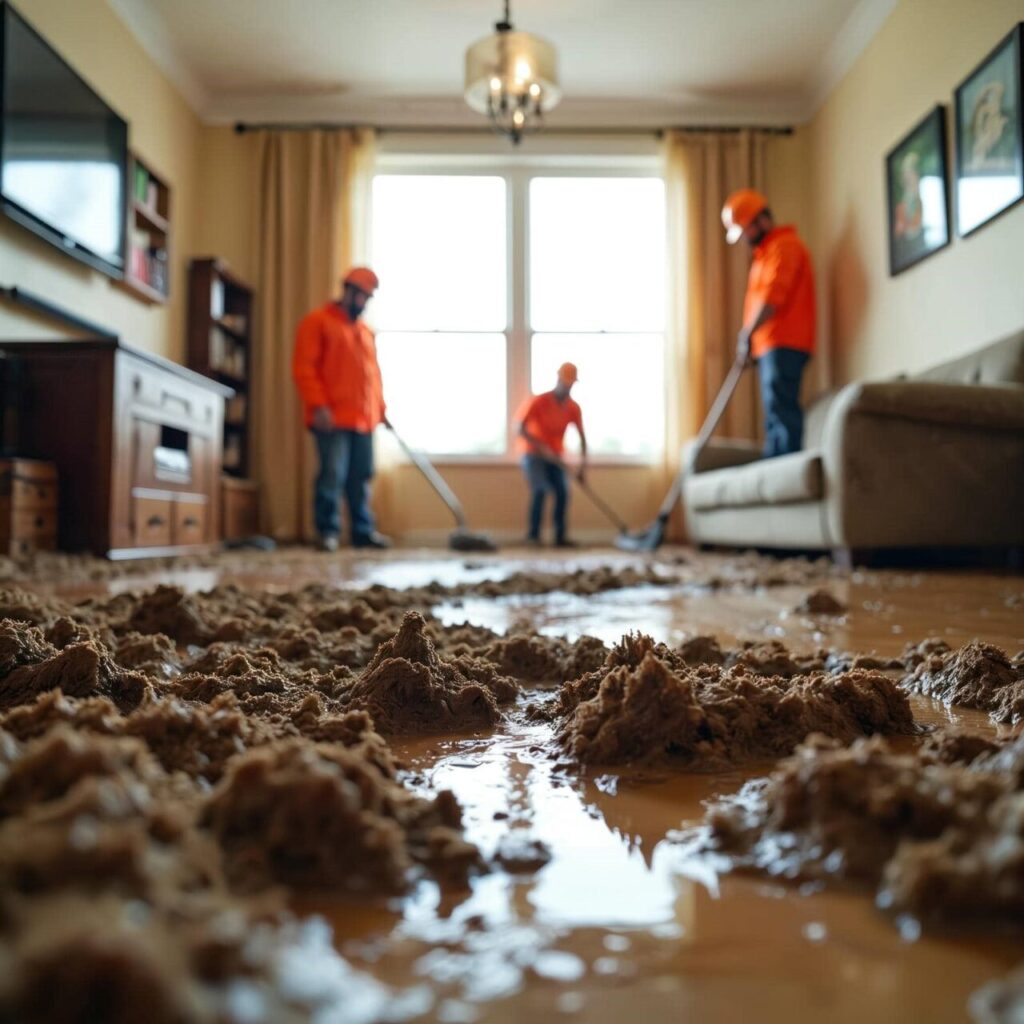
Just like a well-oiled machine, successful water extraction operations rely on precise coordination and effective strategies. You’ll need to understand your equipment and assess damage swiftly to prevent further issues. Safety is paramount, so having the right precautions in place is essential. But there’s more to it than just these basics. What are the specific steps that can elevate your operations to the next level?
Key Takeaways
- Conduct thorough assessments of water damage promptly to identify sources and evaluate severity for effective extraction planning.
- Implement a structured team training program to enhance skills, safety protocols, and communication during extraction operations.
- Choose appropriate extraction methods based on water sources, considering environmental impact and available technologies for optimal recovery.
- Regularly monitor equipment performance and maintain a detailed documentation of the extraction process to support insurance claims and operational efficiency.
- Utilize air movers and dehumidifiers strategically to ensure effective drying of affected areas, adjusting equipment as humidity levels change.
Understand Your Equipment
Before you begin any water extraction operation, it’s essential to understand your equipment thoroughly. Familiarize yourself with various equipment types such as submersible pumps, wet vacuums, and dehumidifiers. Each piece has its specific function and operational guidelines, so knowing how to use them effectively is vital for a successful extraction process.
Regular maintenance is key to ensuring your equipment performs at its best. Check hoses for leaks, clean filters, and inspect electrical components before each job. Following these maintenance tips extends the life of your tools and enhances safety during operations.
Be proactive in troubleshooting common issues, as understanding your equipment can prevent delays. Joining a community of professionals can also provide insights and shared experiences that improve your operational knowledge.
When you grasp your equipment, you empower yourself to tackle water extraction challenges confidently and efficiently.
Assess the Water Damage Situation
As you evaluate the water damage situation, it’s vital to identify the source and extent of the water intrusion quickly. Start by examining sources like burst pipes, roof leaks, or floodwaters. Understanding where the water came from helps in determining the right extraction methods and safety measures.
Next, focus on evaluating severity by examining the affected areas and materials. Check for structural damage, mold growth, and electrical hazards. Use moisture meters to gauge saturation levels in walls and floors, giving you a clearer picture of the damage.
Document your findings meticulously, as this information is important for insurance claims and further remediation efforts.
Collaborating with your team during this phase fosters a sense of belonging and efficiency. Remember, accurate evaluations streamline the extraction process and ensure that you address all potential risks effectively. Your thorough approach sets the foundation for successful water extraction operations.
Implement Safety Precautions
Before starting any water extraction operations, you need to prioritize safety by using appropriate personal protective equipment (PPE) and developing an emergency response plan.
Make certain that you’re equipped with gloves, masks, and boots to minimize exposure to contaminants.
A well-structured emergency response plan will help you react swiftly in case of unforeseen incidents.
Personal Protective Equipment
Personal Protective Equipment (PPE) is essential in water extraction operations to ensure your safety and well-being.
Using the right protective gear complies with safety standards and minimizes your risk of injury. Equip yourself with waterproof boots, gloves, and respiratory protection to shield against contaminants.
Always wear eye protection to prevent injuries from debris or splashes. It’s vital to inspect your PPE before each operation, ensuring it’s in good condition and suitable for the environment you’ll be working in.
Emergency Response Plan
An effective Emergency Response Plan is essential for water extraction operations, ensuring your team can act swiftly and decisively in the event of an incident.
To enhance your plan, consider these key elements:
Establish emergency contacts: Make sure everyone knows who to call, including local emergency services, your response team, and relevant stakeholders.
Train your response team: Conduct regular drills to ensure your team is familiar with the plan and can respond efficiently to various scenarios.
Implement communication protocols: Ensure clear lines of communication are in place to relay information quickly during an emergency.
Choose the Right Extraction Method
Choosing the right extraction method is essential for optimizing water recovery and ensuring efficiency in your operations. You’ll need to evaluate various extraction techniques to determine which best suits your specific water sources. Factors like the type of water—whether it’s surface water, groundwater, or wastewater—play a vital role in this decision.
For instance, if you’re dealing with groundwater, techniques like well drilling or pumping are ideal. Conversely, surface water may benefit from suction or gravity-based extraction methods.
Consider the environmental impact and regulatory requirements associated with each technique, as these can influence your operational choices.
Additionally, assess the available resources and technology at your disposal. By aligning the extraction method with your operational goals and the characteristics of your water sources, you’ll enhance recovery and foster a more sustainable approach to your water extraction operations.
Optimize Machine Settings for Efficiency
To maximize efficiency in your water extraction operations, refining machine settings is essential. Proper machine calibration can greatly enhance performance, making sure you get the most out of your equipment.
Conducting regular efficiency analysis helps you identify areas for improvement, leading to better results.
Here are three key strategies to refine your machine settings:
Adjust Flow Rates: Fine-tune the flow rates based on the specific conditions of your extraction site. This minimizes energy consumption while maximizing output.
Set Pressure Levels: Verify that pressure levels are calibrated correctly for the type of materials you’re extracting. Over-pressurizing can lead to equipment wear and inefficiencies.
Regular Maintenance: Schedule routine checks to confirm all components are functioning at their best. Well-maintained machines are more reliable and efficient.
Monitor Water Levels and Extraction Progress
Monitoring water levels and extraction progress is essential for optimizing your operations. Effective water level monitoring allows you to assess the availability of resources and prevent unnecessary downtime. By implementing real-time monitoring systems, you can quickly identify changes in water levels and adjust your extraction strategies accordingly.
Additionally, extraction progress tracking helps you gauge the efficiency of your operations. Regularly reviewing this data enables you to spot trends, identify bottlenecks, and make informed decisions. For instance, if you notice a drop in extraction rates, you can investigate potential causes and rectify them before they escalate.
Incorporating both water level monitoring and extraction progress tracking into your workflow fosters a culture of continuous improvement. By staying proactive in these areas, you enhance operational efficiency and ensure that your team feels engaged and informed about their contributions to overall success.
Maintain Equipment Regularly
To ensure peak performance in your water extraction operations, schedule routine inspections for all equipment.
Regularly replace worn parts and clean filters to prevent malfunctions and maintain efficiency.
Staying proactive with maintenance can greatly extend the lifespan of your machinery and enhance overall productivity.
Schedule Routine Inspections
While you may focus on water extraction results, scheduling routine inspections is essential for maintaining your equipment’s efficiency and longevity.
By adhering to an appropriate inspection frequency, you can prevent unexpected breakdowns and costly repairs.
Follow this inspection checklist to ensure your equipment remains in top shape:
- Check hoses and connections for leaks or wear.
- Inspect filters and pumps for clogs and functionality.
- Evaluate electrical systems for signs of damage or corrosion.
Regular inspections enhance performance and foster a sense of responsibility within your team.
Encourage everyone to participate in this process, creating a culture of care and attention to detail that benefits your entire operation.
Replace Worn Parts
Routine inspections reveal the condition of your equipment, but replacing worn parts is key to maintaining peak performance.
Regularly check for signs of wear and tear, as neglecting worn parts can lead to decreased efficiency and costly breakdowns.
When replacing these components, verify equipment compatibility; mismatched parts can cause further damage and hinder operations.
Keep a record of all replacements to track patterns and predict future needs.
You’ll foster a culture of reliability and safety within your team by prioritizing these replacements.
This enhances your equipment’s lifespan and boosts morale, knowing you’re working with tools in ideal condition.
Stay proactive, and your operations will run smoothly, making you an integral part of the team’s success.
Clean Filters Regularly
Regularly cleaning filters is essential for efficient water extraction operations.
Consistent filter maintenance directly impacts your water quality and equipment performance. Neglecting this task can lead to clogs, reduced efficiency, and compromised water extraction.
Here are three key steps to keep your filters in top shape:
Inspect Filters: Regularly check for debris and buildup to determine when cleaning is necessary.
Use Appropriate Cleaning Methods: Depending on the filter type, use water, chemical agents, or backwashing to effectively remove contaminants.
Monitor Performance: Keep track of water quality and extraction efficiency to identify when filters require more frequent cleaning.
Train Your Team Effectively
Effective training is essential for ensuring your team can execute water extraction operations safely and efficiently. Start by establishing a structured training program that emphasizes both technical skills and team communication. This approach fosters an environment where team members feel confident in their abilities and supported by their peers.
Encourage skill development through hands-on practice and simulations, allowing your team to familiarize themselves with equipment and procedures. Regularly assess their progress and provide constructive feedback to reinforce learning.
Facilitate open discussions to address any concerns or questions, which strengthens team communication and builds camaraderie. Incorporate safety protocols into training sessions to ensure everyone understands the risks involved and how to mitigate them.
Document the Process for Insurance Claims
As you navigate the complexities of water extraction operations, documenting the process for insurance claims becomes essential to ensure a smooth recovery.
Proper insurance documentation substantiates your efforts and streamlines the claims process, ensuring you receive the necessary support.
Here are three key steps to effectively document your operations:
Take Detailed Notes: Record each step you take during the extraction process, including dates, times, and specific actions taken. This provides a clear timeline for your claim.
Capture Visual Evidence: Use photos and videos to document the damage and your remediation efforts. Visuals can help substantiate your claims and illustrate the extent of the situation.
Compile Receipts and Invoices: Keep track of all expenses related to the extraction work. Include invoices for services, equipment rentals, and materials purchased to support your financial claims.
Follow up With Drying and Dehumidification
Once you’ve documented the water extraction process for insurance claims, the next step involves drying and dehumidification. Effective drying techniques are essential to prevent mold growth and further damage.
Start by evaluating the affected areas to determine the most efficient methods. Use air movers strategically to enhance airflow, promoting faster drying.
Dehumidifier placement is equally important; position dehumidifiers in areas with high humidity levels and make sure they’re not obstructed by furniture or other objects. Monitor humidity levels regularly, adjusting the equipment as needed to maintain ideal conditions.
Consider using a combination of both low-grain refrigerant and desiccant dehumidifiers for larger spaces or severe water damage. This approach maximizes moisture removal and accelerates the drying process.
Frequently Asked Questions
How Long Does Water Extraction Typically Take?
Water extraction typically takes a few hours to several days, depending on factors like the water extraction timeline and the extraction process duration. You’ll want to assess the situation for an accurate estimate tailored to your needs.
What Are the Signs of Mold Growth After Extraction?
Mold’s like a stealthy intruder, often showing as dark spots or musty smells. Use mold identification techniques to spot it early, as it poses health risks, especially for those with respiratory issues or allergies.
Can I Perform Water Extraction Myself?
Yes, you can perform DIY extraction, but it’s essential to rent proper equipment. Without the right tools and techniques, you risk inadequate results or further damage. Always prioritize safety and consider professional help if needed.
What Insurance Covers Water Extraction Services?
Your general liability coverage typically covers water extraction services, but check your policy limits. Confirm your coverage includes specific provisions for water damage to avoid costly out-of-pocket expenses during extraction operations.
How Can I Prevent Future Water Damage?
To prevent future water damage, embrace waterproofing techniques like sealing cracks and installing drains. Master moisture control by maintaining proper ventilation and humidity levels, ensuring your space stays dry, inviting comfort and security for everyone within.
Final Thoughts
By implementing these ten tips, you can greatly enhance your water extraction operations. You might worry that thorough documentation slows you down, but it actually streamlines the process, ensuring you’re prepared for insurance claims and future improvements. Prioritizing equipment maintenance, safety, and effective training will optimize extraction efforts and foster a more efficient workflow. With a well-prepared team and clear protocols, you’ll tackle any water damage situation with confidence and precision.